
Market Landscape & Industry Realities for Certified Diamond Buyers Top Cash Payout
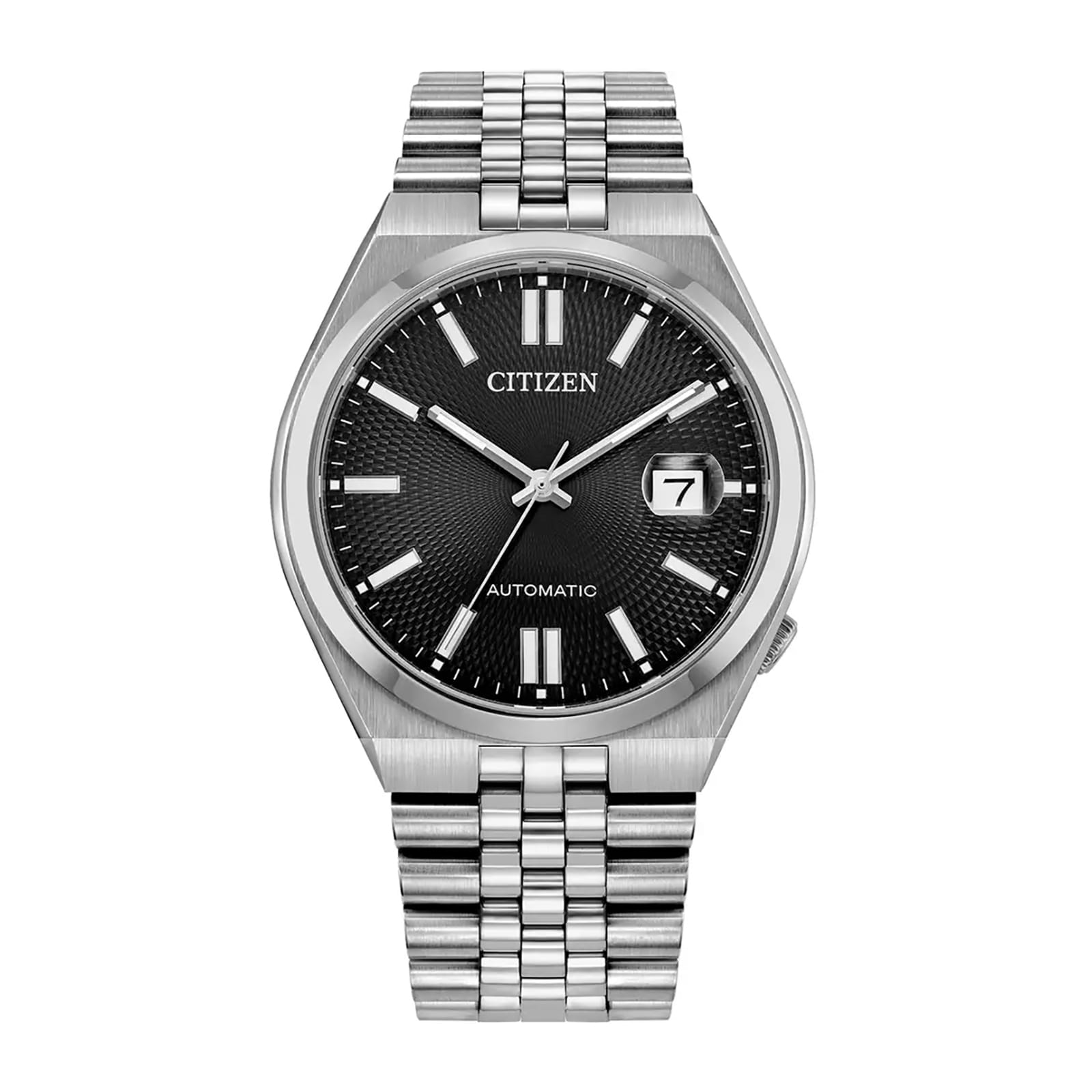
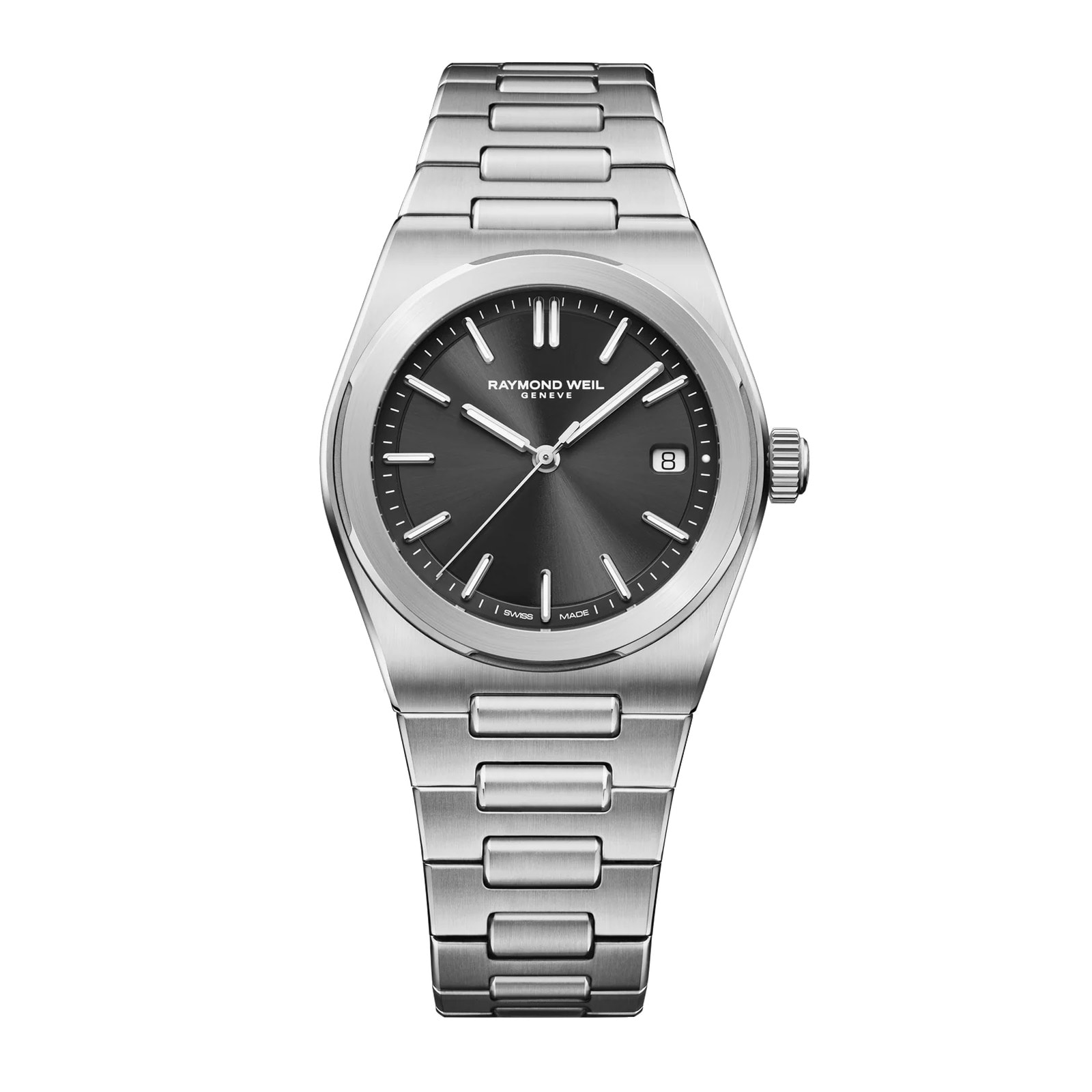
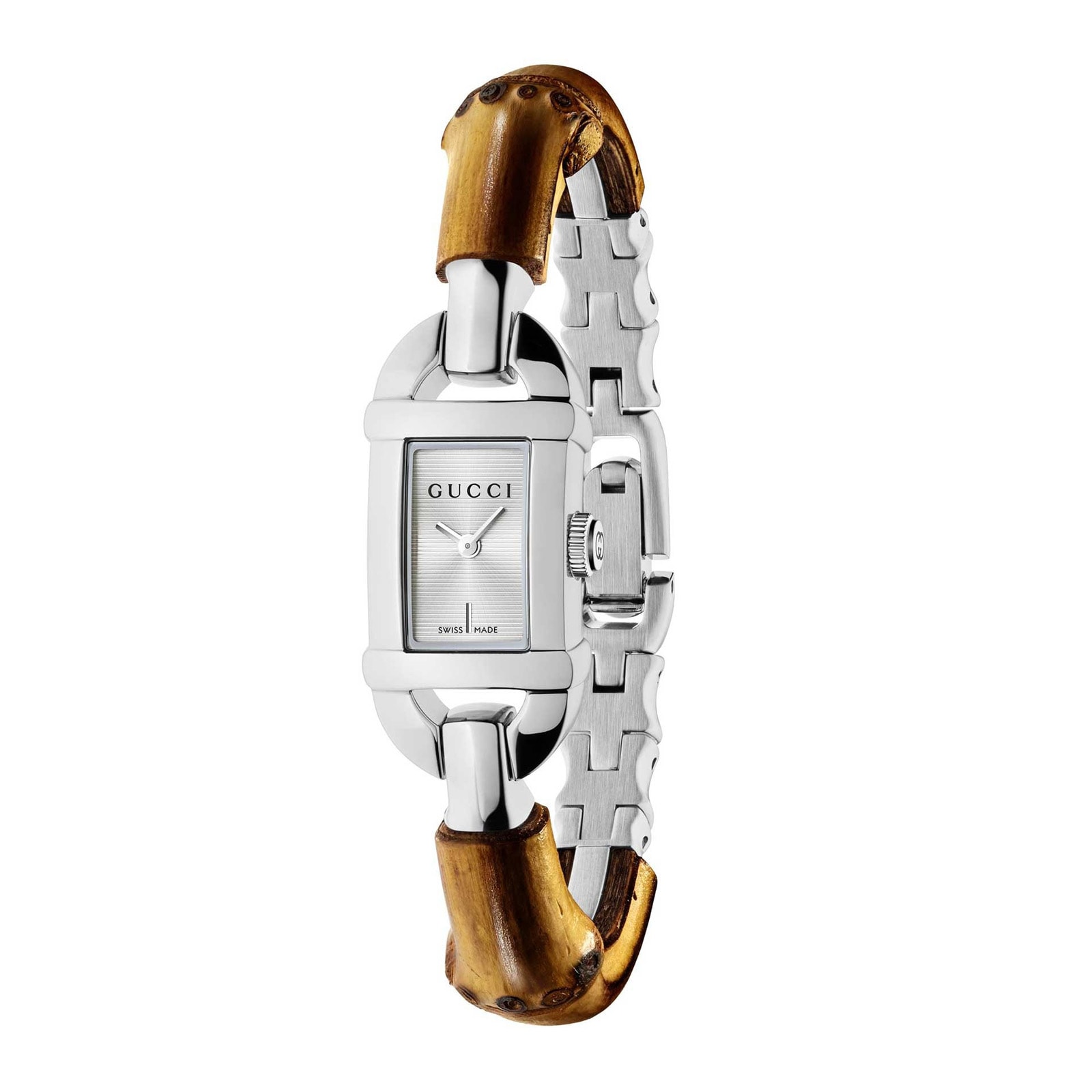
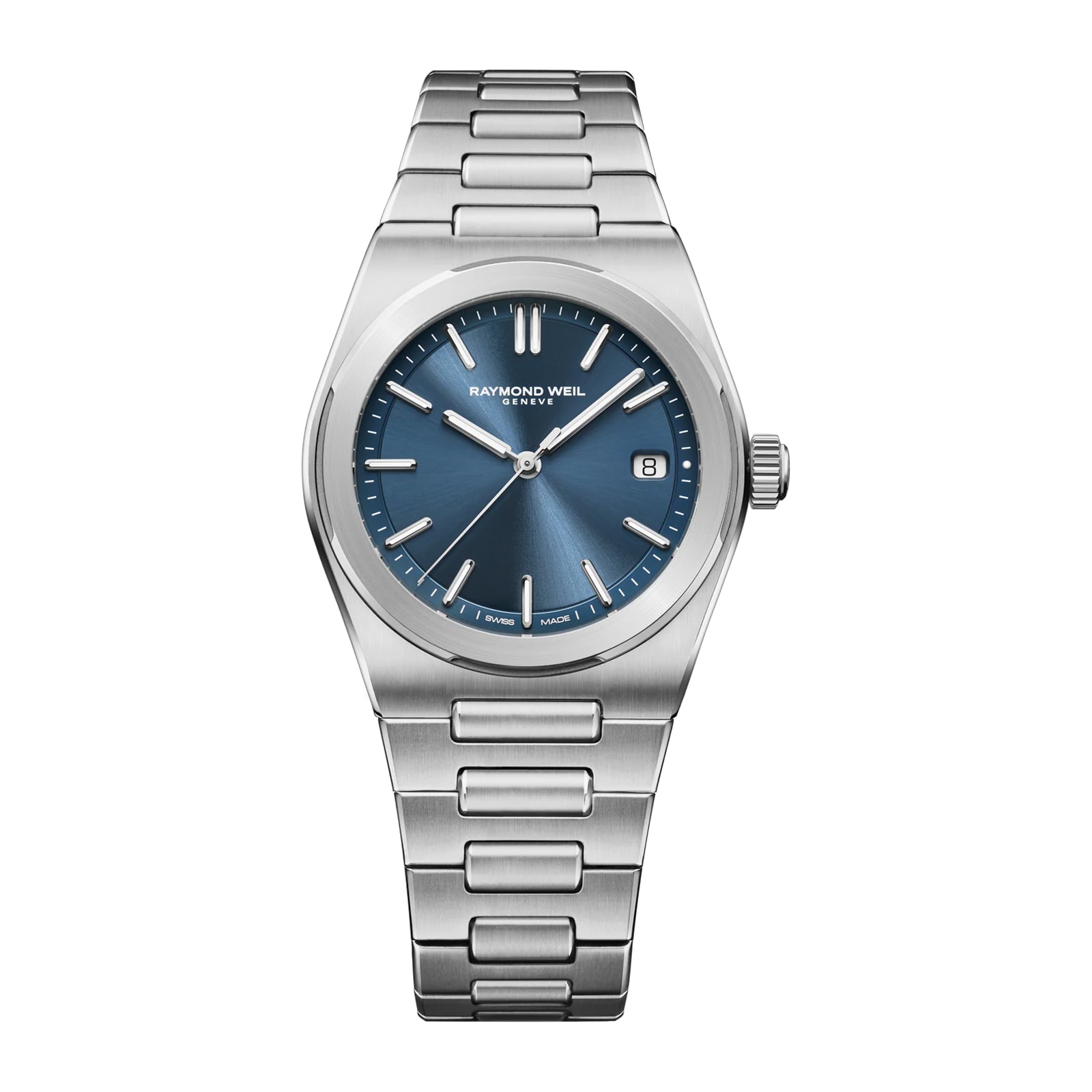
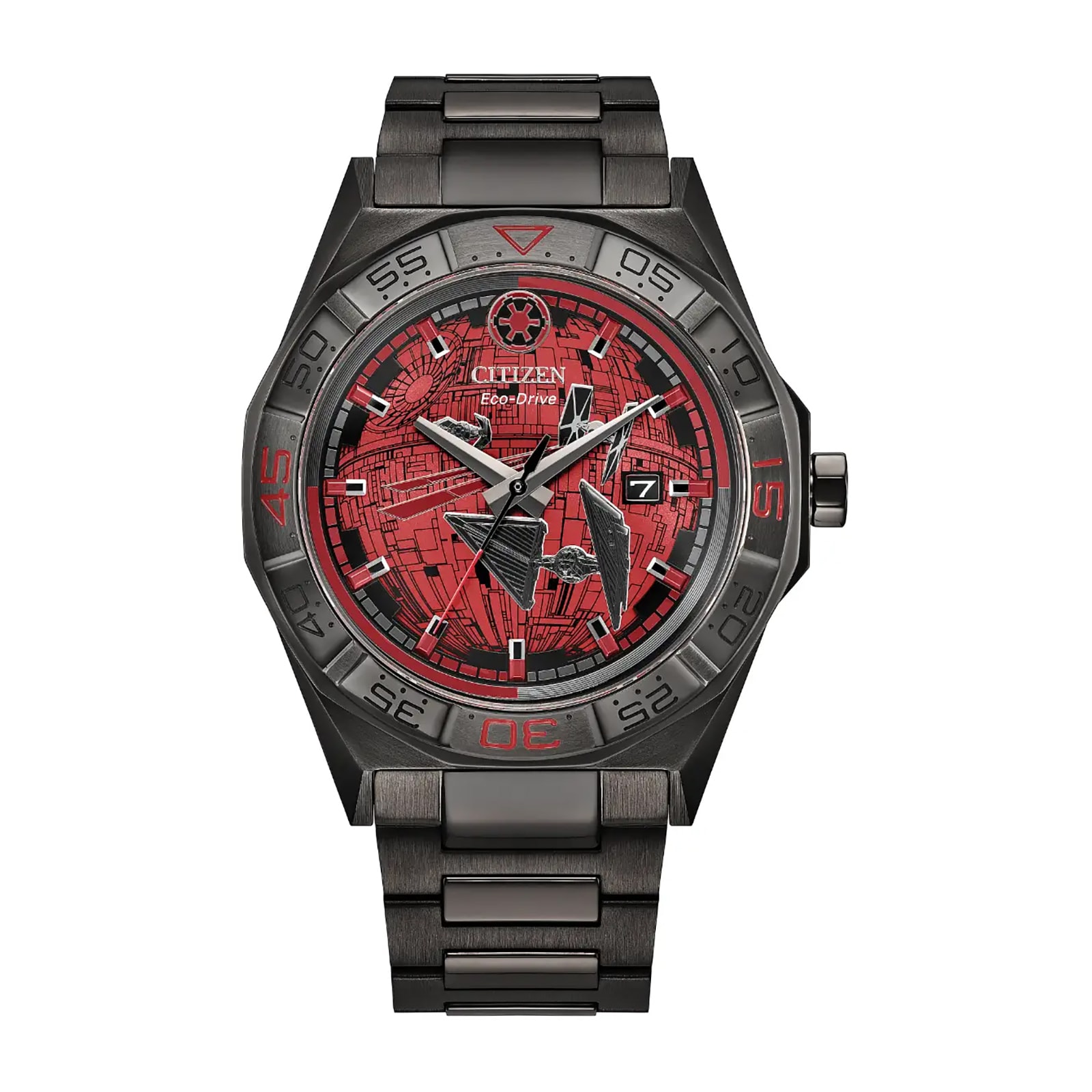
Across premier jewelry districts and wholesale exchanges, storefront overhead directly affects the cash offers you receive for estate diamonds. In 2026, the secondary market for certified diamonds has matured into a highly transparent, data-driven ecosystem where buyers leverage real-time Rapaport pricing, auction comparables, and gemological databases to calculate payouts. For sellers, understanding this landscape is the first step toward securing a certified diamond buyers top cash payout. The landscape is shaped by three forces: the proliferation of lab-grown diamonds (which has pressured natural diamond prices in certain categories), the rise of online appraisal platforms, and the enduring demand for vintage pieces with documented provenance. Consequently, buyers now differentiate sharply between generic estate jewelry and investment-grade certified stones. To navigate this, sellers must recognize that a certified diamond buyers top cash payout is not a single number but a range determined by cut, color, clarity, carat, and—critically—the presence of a GIA or IGI report. For those seeking to benchmark their expectations, reviewing a certified Watches showroom inventory can provide tangible examples of how top-tier dealers price certified assets. Moreover, the economic reality is that estate buyers operate on thin margins; they must resell at wholesale, so their offers typically range from 60% to 80% of Rapaport value for certified natural diamonds, with higher percentages for exceptional stones. Vintage pieces with unique cuts (old European, old mine) may command premiums due to their rarity, but only if authenticity is verifiable. The market also rewards complete sets—original certificates, receipts, and boxes—which can boost offers by 5-10%. In this environment, the certified diamond buyers top cash payout is achievable when sellers approach the right channels: established wholesalers, auction houses, and specialized estate buyers who value provenance. As we delve deeper, we will dissect the valuation matrix, showroom vetting, and certification nuances that define the top payouts in 2026. For exquisite artisan craftsmanship and certified stone settings, examine this handcrafted Certified Moissanite Baguette Cut H.
The 4Cs, Sourcing & Pricing Benchmarks for Certified Diamond Buyers Top Cash Payout
Independent gemological laboratories like GIA and IGI classify cut grade as the single greatest determinant of a diamond's light performance and, by extension, its resale value. For certified diamond buyers top cash payout, the 4Cs matrix is non-negotiable: cut, color, clarity, and carat weight each influence the final offer, but cut often carries the most weight in fancy shapes. In 2026, the market premiums for excellent-cut stones versus good-cut stones can differ by 15-25%. Color and clarity follow, with D-F and IF-VVS stones commanding the highest premiums, while G-J and VS-SI stones form the bulk of estate inventory. Carat weight is exponential: a 2-carat diamond is not twice the price of a 1-carat but often 3-4 times, due to rarity. To illustrate, the table below compares estimated cash payout ranges for certified natural diamonds in the current market, based on wholesale benchmarks from the Diamond District. These figures assume GIA certification and excellent cut, with payouts expressed as a percentage of Rapaport price.
| Carat Weight | Color/Clarity | Estimated Cash Payout Range (% of Rapaport) | Typical Buyer Type |
|---|---|---|---|
| 0.50 - 0.99 ct | G/VS2 | 55% - 65% | Wholesale estate buyer |
| 1.00 - 1.99 ct | F/VS1 | 60% - 70% | Retail jeweler, auction |
| 2.00 - 2.99 ct | E/VVS2 | 65% - 75% | High-end wholesaler |
| 3.00 - 4.99 ct | D/IF | 70% - 80% | Investment buyer, auction |
| 5.00+ ct | D/IF | 75% - 85% | Private collector, auction |
Always inspect the pavilion depth and table percentage under a 10x loupe before accepting any offer; these proportions affect brilliance and are scrutinized by buyers. Furthermore, sourcing plays a role: diamonds with documented provenance (e.g., from a notable estate or with original receipts) can fetch 5-10% higher offers. When exploring options for comparing certified inventory, explore our curated Watches collection to see how top dealers present certified pieces, which can inform your negotiation. It's also crucial to understand that fancy colored diamonds (yellow, pink, blue) follow a different pricing matrix, often commanding premiums of 20-30% over colorless stones of similar grade. For vintage cuts like old European or old mine, buyers may apply a discount of 10-20% due to lower light performance, unless the stone is part of a signed piece. In 2026, the certified diamond buyers top cash payout is increasingly influenced by lab-grown diamond competition; natural diamond buyers emphasize certification and rarity, so sellers should highlight these attributes. Finally, consider that the 4Cs matrix is not static—market fluctuations occur quarterly, and savvy sellers obtain multiple appraisals to benchmark offers. The table below outlines typical appraisal fee schedules, which can guide your budgeting for certification.
| Service | Average Fee (USD) | Turnaround Time | Recommended For |
|---|---|---|---|
| GIA Diamond Grading Report | $150 - $350 | 2-4 weeks | Stones 1ct+ |
| IGI Certification | $100 - $250 | 1-3 weeks | Stones 0.5ct+ |
| Verbal Appraisal (Gemologist) | $50 - $150 | Same day | Preliminary valuation |
| Full Estate Appraisal | $200 - $500 | 1-2 weeks | Insurance/legal |
Premier Showroom Selection & Merchant Vetting for Certified Diamond Buyers Top Cash Payout
Compared to machine-pressed gold settings, hand-fabricated platinum mounts provide superior durability and often signal a higher-quality estate piece, which can influence buyer perception. When vetting merchants for certified diamond buyers top cash payout, focus on those who specialize in estate jewelry and have a physical presence in established jewelry hubs. In 2026, the most reputable buyers operate transparently: they provide detailed explanations of their offers, use calibrated equipment, and are willing to show you the Rapaport list they reference. Start by requesting a verified Watches valuation report from any dealer you consider; this document should outline the grading parameters and pricing rationale. Direct wholesale buyers typically offer 10-20% higher payouts than retail jewelers because they have lower overhead and resell to the trade. However, retail jewelers may offer trade-in credits that effectively increase value if you plan to purchase another piece. Negotiation protocols vary: wholesale buyers often have firm offers based on current market data, while retail jewelers may have more flexibility. Always get at least three independent offers, and don't disclose competing bids until you have them in writing. Showroom vetting also involves checking credentials: look for membership in organizations like the Jewelers Vigilance Committee (JVC) or the American Gem Society (AGS). Additionally, verify that the buyer uses GIA-certified gemologists on staff. A red flag is any buyer who refuses to explain their pricing methodology or pressures you to sell immediately. In the Diamond District, established buyers will often provide a written offer valid for 24-48 hours, giving you time to compare. For high-value estate pieces, consider auction houses like Sotheby's or Christie's, which may achieve higher hammer prices but charge seller's premiums of 10-20%. The table below compares typical payout channels.
| Channel | Typical Payout (% of Rapaport) | Speed | Best For |
|---|---|---|---|
| Wholesale Estate Buyer | 60-75% | 1-3 days | Quick cash, certified stones |
| Retail Jeweler (Trade-in) | 50-65% | Same day | Upgrade purchases |
| Auction House | 70-85% (after fees) | 1-3 months | Rare, signed pieces |
| Online Buyer | 55-70% | 1-2 weeks | Convenience, remote sellers |
Negotiation is an art: emphasize the certification, provenance, and condition of your piece. If you have original GIA reports, bring them; buyers may verify the certificate number online. For vintage watches with diamond bezels, ensure the diamonds are certified separately, as watch brands like Rolex and Patek