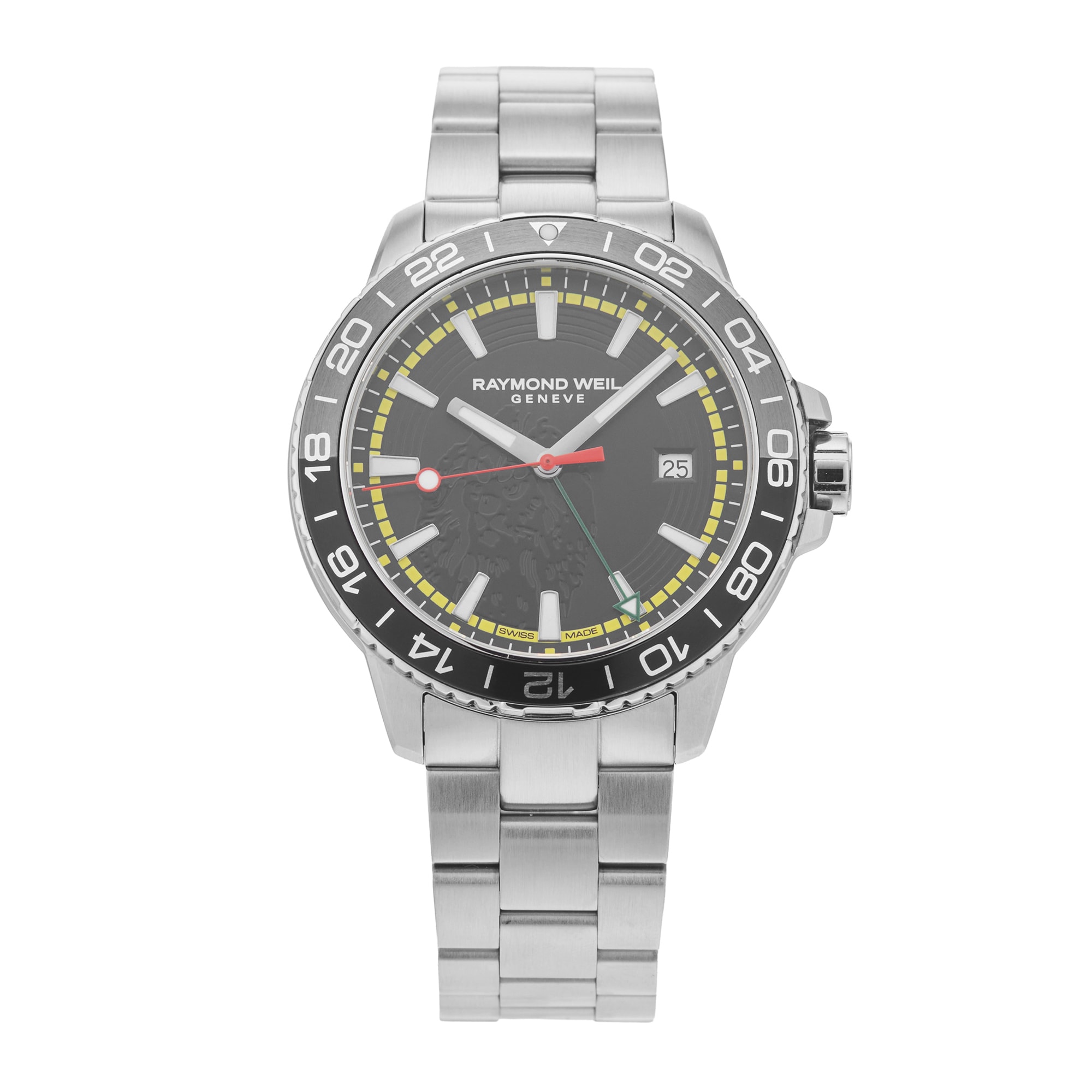
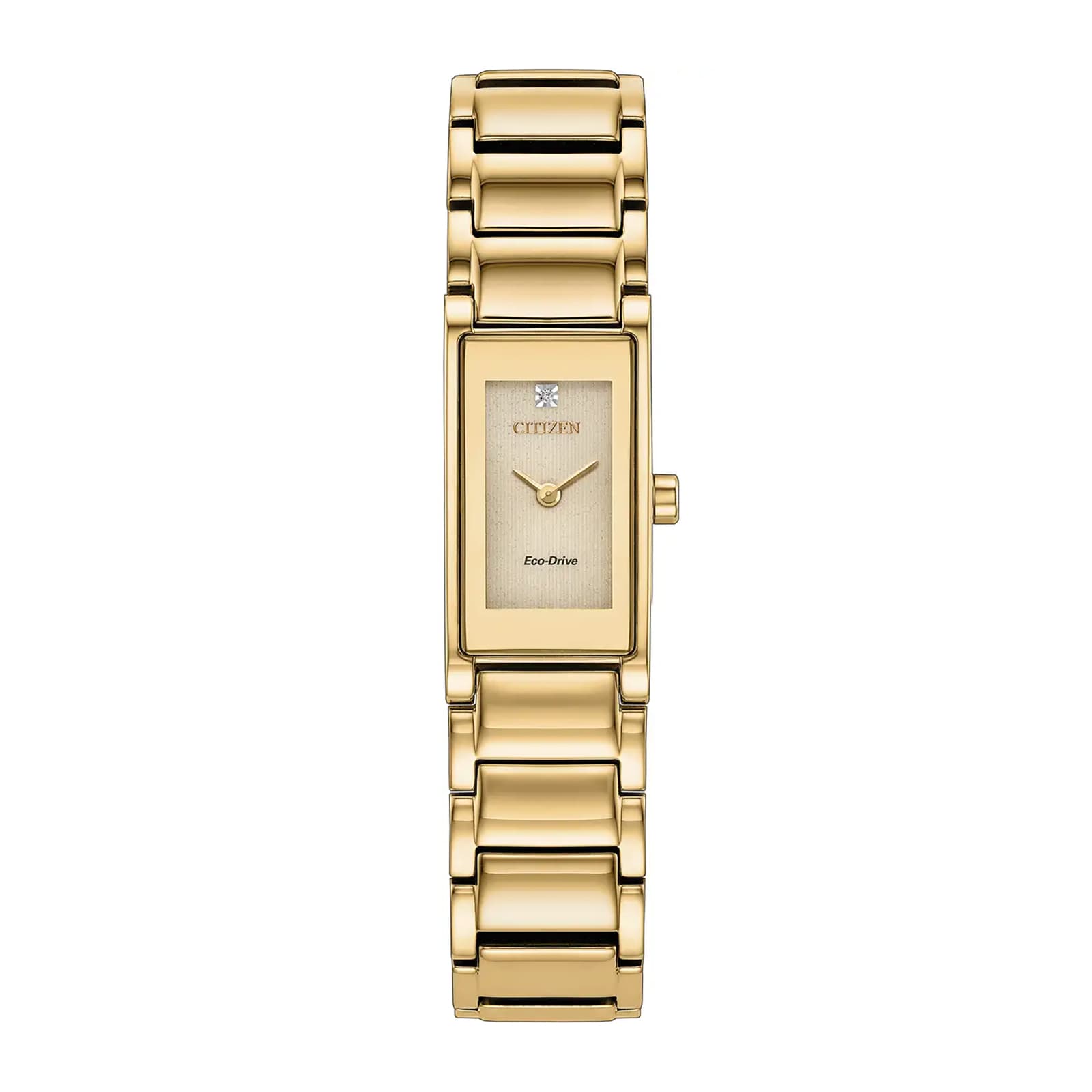
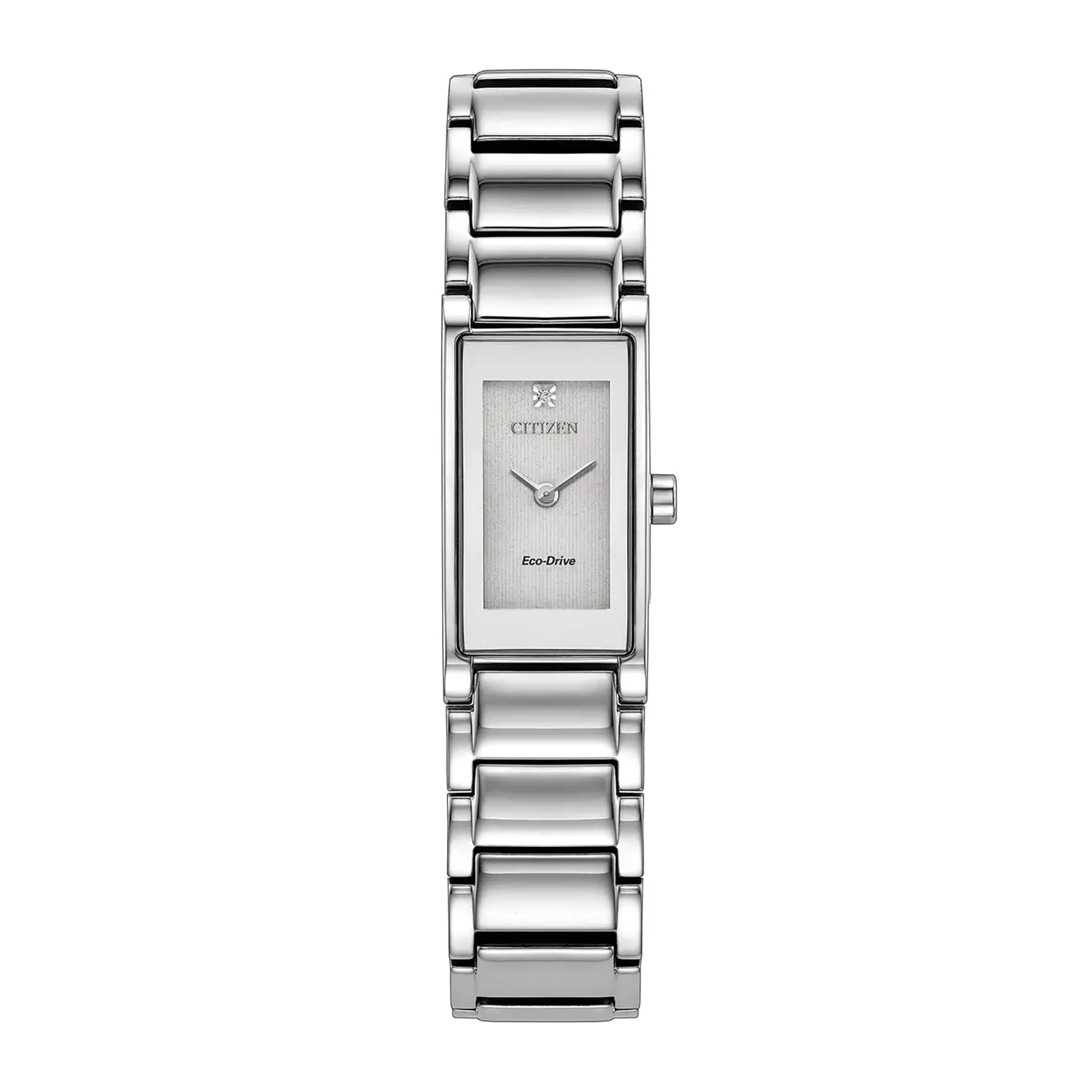
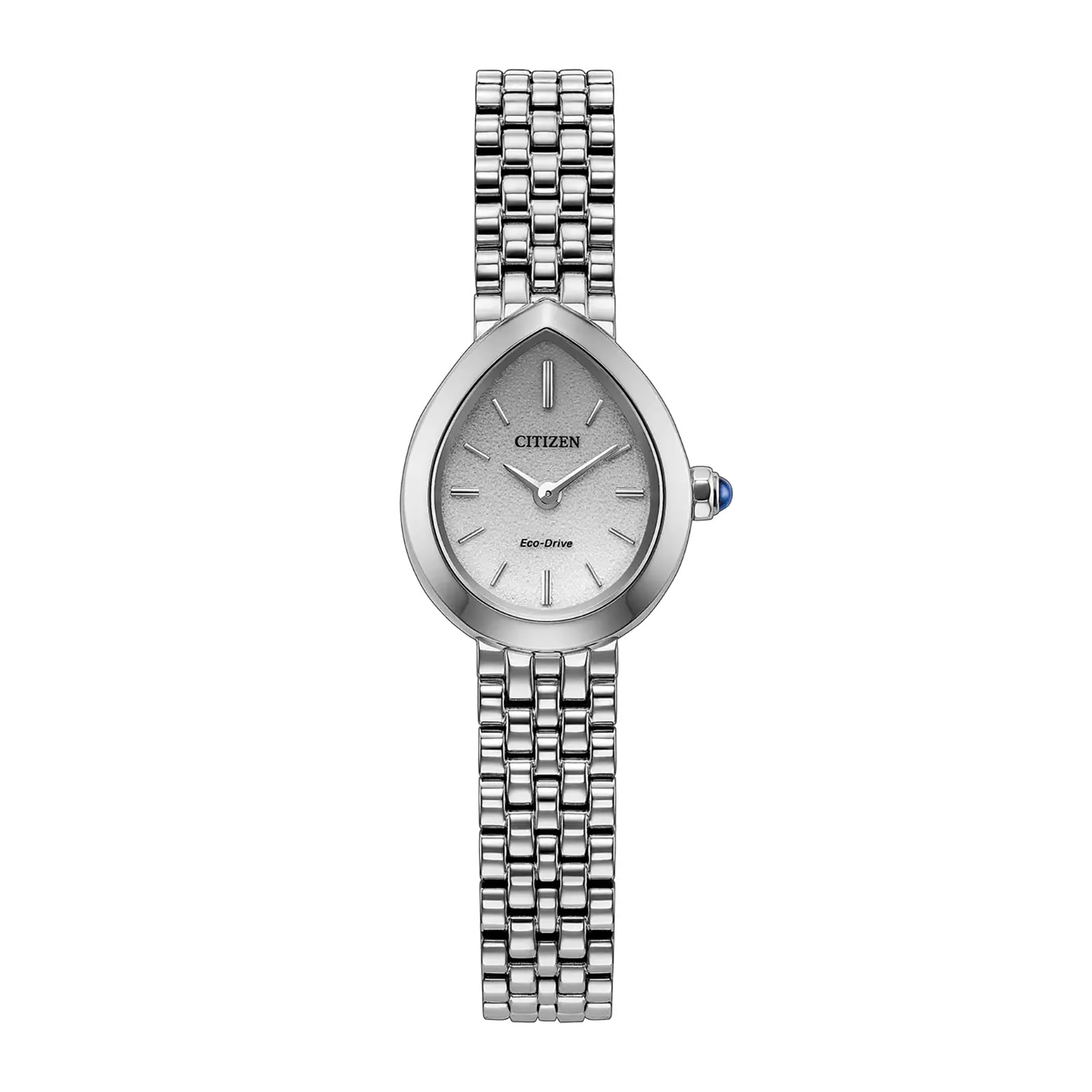

Purchasing a fine timepiece in 2026 demands more forensic rigor than ever before. With secondary-market liquidity at record highs and counterfeit movements growing more sophisticated each quarter, the jeweler you choose is as consequential as the reference number itself. This guide—assembled by Diamond District Block's senior gemologists and valuation specialists—equips you with the verifiable checklist needed to separate a certified watches jeweler from a mere reseller. From lab report authentication to laser inscription loupe inspections, every step below is engineered for consumer protection and long-term asset integrity. For exquisite artisan craftsmanship and certified stone settings, examine this handcrafted Certified Moissanite Baguette Cut H.
Watches Market Landscape: Industry Realities Shaping 2026 Buyers
Global luxury watch transactions surpassed $28 billion in 2025, with U.S. buyers accounting for roughly 31% of secondary-market volume, according to industry trade data aggregated across premier jewelry corridors. This expansion has produced a bifurcated marketplace: authorized dealers operating under manufacturer-mandated pricing, and independent certified jewelers who source grey-market and pre-owned inventory at wholesale exchange rates. Understanding this split is the first defense against overpaying—or worse, acquiring an undocumented piece with compromised provenance.
Across premier jewelry districts and wholesale exchanges—from New York's 47th Street to Los Angeles's Jewelry District and Miami's Seybold corridor—storefront overhead directly affects per-piece markups. A high-traffic flagship may carry 35–45% gross margins on certified pre-owned watches, while a vetted wholesale showroom operating on volume can compress that to 18–25%. Neither model is inherently dishonest, but informed buyers must map the markup structure before negotiating. Reviewing a jeweler's certified Watches showroom inventory online before visiting allows you to benchmark listed pricing against comparable references across multiple corridors.
Historical context matters here. The 2018–2022 bull run in steel sports watches taught the market that certification and provenance drive resale velocity more than brand prestige alone. Post-2023 correction normalized speculative premiums, but it also surfaced a wave of poorly documented inventory—watches with service dials, aftermarket bezels, or mismatched casebacks. In 2026, certification is no longer a luxury; it is the baseline for any transaction above $3,000.
Regulatory pressure has intensified as well. The FTC's updated jewelry guides and state-level disclosure statutes now require clear labeling of pre-owned, refurbished, and aftermarket-modified timepieces. A certified jeweler should volunteer this information unprompted. If a merchant hesitates when asked whether a watch has been polished, re-dialed, or fitted with non-original parts, treat that hesitation as a data point—and walk away.
Watches Pricing Benchmarks: The 4Cs, Sourcing, and Value Matrix
Independent gemological laboratories like GIA and IGI classify watch-related gemstone and diamond attributes—carat weight, color, clarity, and cut—as the single greatest determinants of value on gem-set timepieces. For diamond-bezel and pavé-dial watches, the 4Cs framework directly governs both insurance replacement cost and resale liquidity. Buyers should demand a grading report for any watch whose gemstone content exceeds 0.50 carats total weight, and should cross-reference that report against the physical piece under magnification.
Wholesale diamond premiums on watch bezels typically range from $1,800 to $4,200 per carat depending on color and clarity grade, with F–G/VS stones commanding the upper tier. A factory-set diamond bezel from an authorized manufacturer carries a documented premium because the setting quality and stone matching are guaranteed. Aftermarket bezels—even with excellent stones—lose 30–50% of their value at resale because the provenance chain is broken. This distinction should be reflected explicitly in any written valuation.
| Watch Tier (Gem-Set) | Typical Carat Range | Color/Clarity Benchmark | Est. Wholesale Premium/Ct | Resale Retention |
|---|---|---|---|---|
| Entry Luxury (steel, diamond markers) | 0.15–0.40 ct | G–H / VS2–SI1 | $1,800–$2,400 | 55–65% |
| Mid Luxury (two-tone, diamond bezel) | 0.50–1.20 ct | F–G / VS1–VS2 | $2,400–$3,200 | 60–70% |
| High Horology (pavé dial, factory bezel) | 1.25–3.00 ct | E–F / VVS2–VS1 | $3,200–$4,200 | 68–78% |
| Haute Horlogerie (full pavé, baguette) | 3.00+ ct | D–E / VVS1+ | $4,200+ | 70–82% |
Always inspect the pavilion depth and table percentage on any baguette or brilliant-cut stones set into a watch bezel, because shallow-cut stones leak light and diminish the visual fire that justifies premium pricing. Loupe inspection at 10x should reveal crisp, symmetrical facet junctions and no visible feather inclusions reaching the girdle. On a certified piece, the grading report will specify these parameters—and the physical stones must match.
Metal composition adds another pricing layer. Compared to machine-pressed gold settings, hand-fabricated platinum mounts provide superior stone security and a denser, more durable wear surface—but they add 15–25% to the total cost. Buyers should confirm whether a watch's case, bezel, and bracelet are solid or hollow, and whether the gold purity is stamped with the correct hallmark (750 for 18K, 950 for platinum). A reputable jeweler will provide a explore our curated Watches collection page that lists these specifications transparently, including metal purity and stone grading for each reference.
Negotiation benchmarks matter. Certified pre-owned watches with full box and papers typically trade at 10–18% above naked-watch equivalents. Service history from the manufacturer's own service center adds another 5–9%. If a jeweler cannot produce service records, factor that uncertainty into your offer—typically a 12–20% discount to comparable documented inventory.
Watches Showroom Vetting: Wholesale vs. Retail and Negotiation Protocols
Vetting a certified watches jeweler begins with a single question: can they produce independent third-party documentation on demand? The strongest showrooms maintain active relationships with GIA, IGI, and AGS, and they will happily walk you through a verified Watches valuation report that itemizes stone grading, metal purity, movement condition, and provenance. If a merchant deflects or claims that certification is 'unnecessary' for watches, that is a red flag, not a shortcut.
Direct wholesale versus retail markup is the second vetting axis. Wholesale exchanges operate on thin margins and high turnover, which means they are more likely to negotiate and more likely to have documented inventory. Retail flagships, by contrast, carry overhead that must be recovered—so their pricing includes service, warranty, and brand presentation. Neither is wrong, but buyers should know which model they are paying for. Ask directly: 'What is your return window, and does it apply to pre-owned inventory?' A certified jeweler will answer without hesitation.
Showroom vetting also includes physical inspection protocols. Request to see the watch under a loupe, and ask the jeweler to demonstrate the laser inscription on the inner bezel or caseback. On gem-set pieces, ask to see the grading report alongside the watch, and verify that the report number matches the inscription. This single step eliminates the majority of counterfeit and misrepresented inventory.
- Red flag: A jeweler who refuses to let you photograph the certification report or serial number.
- Red flag: 'Certification pending' language on a watch priced above $5,000—walk away.
- Red flag: Pressure to buy same-day with a 'today-only' discount on certified inventory.
- Tip: Ask for the watch's service history in writing, including any polishing or parts replacement.
- Tip: Confirm the return policy covers 'not as described' scenarios, not just 'change of mind.'
Negotiation protocols should be documented. A certified jeweler will provide a written invoice that itemizes the watch reference, serial number, metal purity, stone grading, and any aftermarket modifications. This invoice becomes the foundation of your insurance documentation—so insist on specificity, not vague descriptions like 'steel watch with diamonds.'
Watches Custom Design, Bench Fabrication, and Certification Verification
Verification of GIA and IGI certificates is non-negotiable for any gem-set watch or bespoke commission. Every report carries a unique number that can be validated directly through the laboratory's online portal. Cross-reference the report number, the stone weight, the color and