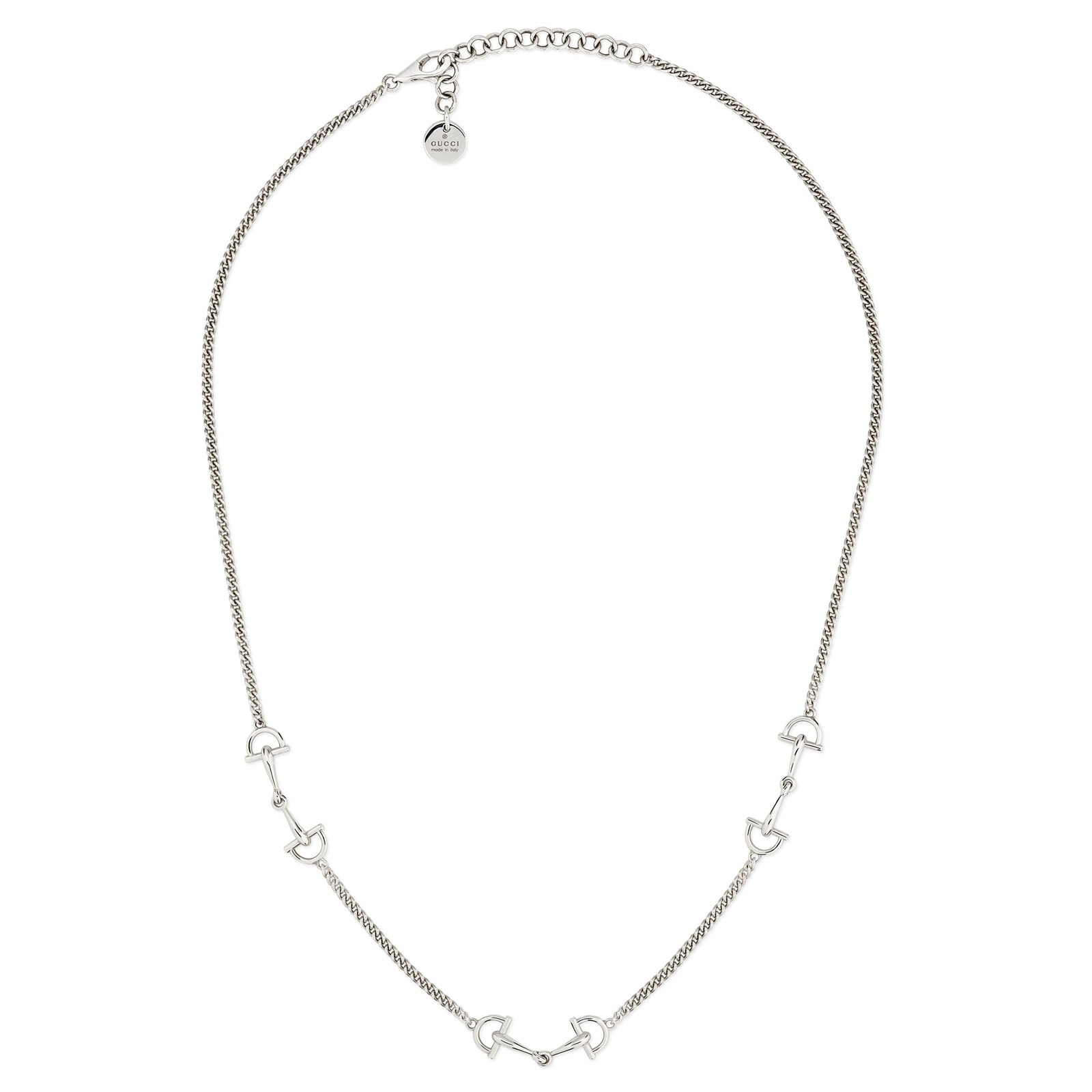
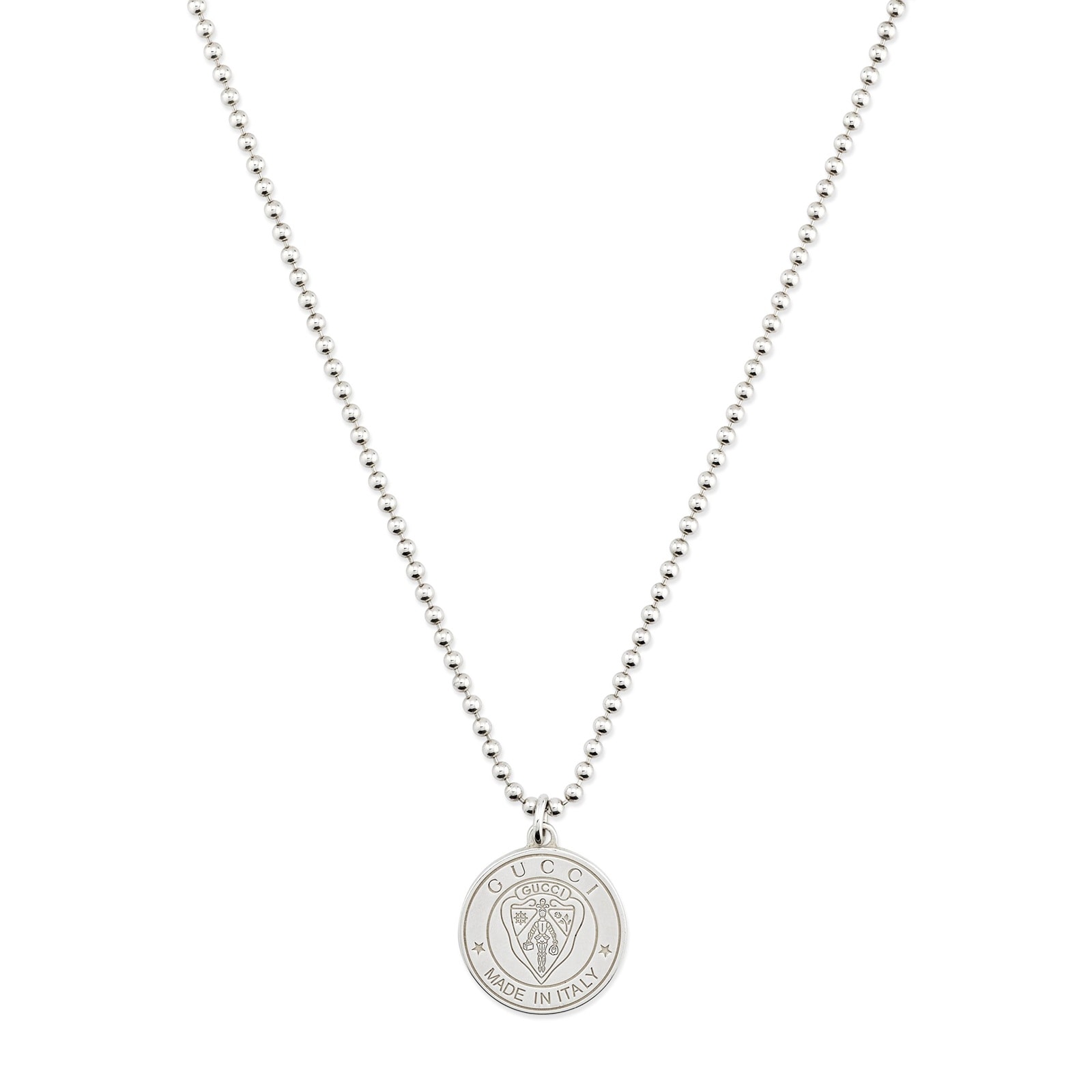
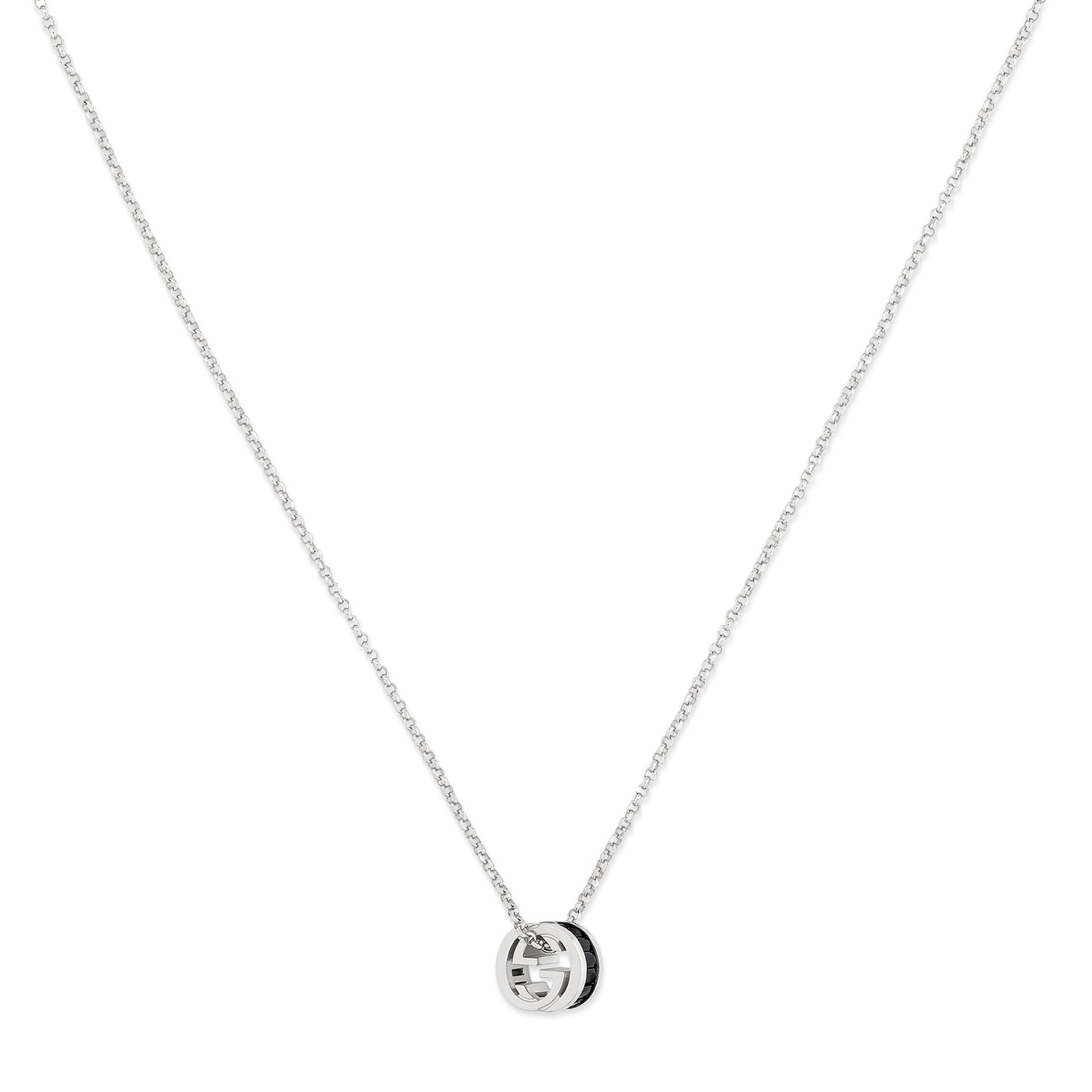
Across the major jewelry corridors of the United States—from New York's 47th Street to Chicago's Jewelers Row and Los Angeles's Hill Street—the custom diamond engagement ring has evolved from a niche commission into a dominant category of high-value personal property. Unlike mass-produced bridal settings, a bespoke ring represents an amalgam of loose-stone sourcing, hand-fabricated metallurgy, and individualized design work—each element carrying distinct valuation and risk profiles. The consequence is that standard homeowner policies, generic appraisals, and casual maintenance routines routinely fail to protect these assets. This guide delivers the appraisal, insurance, and maintenance playbook that master gemologists and luxury goods valuation specialists use to safeguard custom diamond engagement rings across their full ownership lifecycle. Discover more details and verified selections via verified Necklaces valuation report.
Market Landscape & Industry Realities: Why custom diamond engagement rings Demand Specialized Protection
Wholesale-to-retail spreads on certified diamonds typically range from 35% to 70% depending on corridor and stone tier, which means the replacement cost of a custom piece can diverge sharply from its original purchase price. That spread is the single most overlooked variable in engagement ring insurance: policyholders who insure for purchase price rather than documented replacement value frequently discover—at the moment of a claim—that they are underinsured by thousands of dollars. The custom diamond engagement ring market has matured alongside this realization, with insurers now demanding independent appraisals and consumers increasingly educated on riders versus scheduled floaters.
Always inspect the appraisal document's effective date and methodology before assuming your coverage is adequate—an appraisal older than 24 to 36 months is functionally obsolete in a market where diamond prices and precious metal spot values shift materially. The 2020s saw platinum and gold spot prices swing by double-digit percentages within single calendar years, and lab-grown diamond pricing collapsed by more than 60% in some carat tiers, forcing insurers to recalibrate how they value mixed-natural compositions. Custom diamond engagement rings that combine natural center stones with lab-grown accent melee present particular appraisal complexity, because insurers may apply different replacement schedules to each component.
Across premier jewelry districts and wholesale exchanges, storefront overhead directly affects the retail replacement value your appraiser must document. A 47th Street dealer operating from a fifth-floor office with minimal showroom overhead can quote a custom setting at 40% below a luxury mall boutique for identical fabrication—yet both values are legitimate retail replacement figures if properly documented. This is why appraisals must specify the retail tier and geographic market used for valuation, not merely a single dollar figure. Buyers who understand this dynamic can also shop more intelligently; reviewing certified Necklaces showroom inventory reveals how transparent dealers publish stone specifications and pricing tiers, a practice that simplifies both purchase negotiation and later appraisal verification.
Independent gemological laboratories like GIA and IGI classify every graded stone against standardized criteria, and that classification is the foundation of any defensible custom diamond engagement rings appraisal. Without a laboratory report, an appraiser must rely on in-house grading—which, while often competent, carries less weight with insurers during a disputed claim. The market has therefore bifurcated: rings with GIA or IGI documentation command cleaner insurance terms and faster claim settlements, while undocumented custom pieces face heightened scrutiny and occasional coverage exclusions.
The 4Cs, Sourcing & Pricing Benchmarks for custom diamond engagement rings
Carat weight remains the most visible pricing lever, but for custom diamond engagement rings the interaction between cut grade and setting design often determines perceived value more than raw weight. A superbly cut 1.50-carat round brilliant in a hand-fabricated platinum solitaire will out-sparkle a poorly proportioned 2.00-carat stone in a mass-produced head, and appraisers increasingly weight cut quality heavily when establishing replacement value. The following benchmark table reflects typical 2026 wholesale-to-retail ranges for certified natural diamonds suitable for custom bridal commissions.
| Carat Tier | Color/Clarity (Typical) | Cut Grade | Wholesale Range (USD) | Retail Replacement Range (USD) |
|---|---|---|---|---|
| 0.50–0.75 ct | G–H / VS1–VS2 | Excellent | $1,800–$3,200 | $3,200–$5,800 |
| 0.75–1.00 ct | F–G / VS1–VS2 | Excellent | $3,500–$6,500 | $6,000–$11,500 |
| 1.00–1.50 ct | E–F / VVS2–VS1 | Excellent | $7,000–$14,000 | $12,500–$24,000 |
| 1.50–2.00 ct | D–E / VVS1–VVS2 | Excellent | $15,000–$28,000 | $26,000–$48,000 |
| 2.00–3.00 ct | D–F / VVS1–VS2 | Excellent | $30,000–$65,000 | $52,000–$110,000 |
Compared to machine-pressed gold settings, hand-fabricated platinum mounts add $1,200 to $3,800 in labor and material to a custom diamond engagement rings commission—a premium that is fully recoverable in replacement value if the appraisal itemizes fabrication. Appraisers who receive only a total invoice price will often undervalue the setting, so buyers should request a line-item breakdown covering stone, metal, labor, and design fees. This itemization also matters for insurance scheduling, since some policies cap unscheduled jewelry at $1,000 to $2,500 per item—far below the value of any serious custom piece.
When comparing quotes across dealers, request the same specification sheet from each: carat weight, color, clarity, cut grade, fluorescence, lab report number, metal alloy, and setting style. Buyers who explore our curated Necklaces collection will notice that reputable merchants publish these data points openly, which makes apples-to-apples comparison possible and exposes dealers who obscure specifications behind vague descriptions. Pricing benchmarks are only meaningful when the underlying specifications are identical; a $2,000 difference between two quotes frequently reflects a color or clarity grade gap rather than a margin discrepancy.
Cut Grade Tolerances and Their Effect on Value
Independent gemological laboratories like GIA and IGI classify cut grade as the single greatest determinant of light performance, and their tolerances for table percentage, crown angle, and pavilion depth are strict. A round brilliant with a 56% table and 34.5° crown angle will typically earn an Excellent grade, while a 60% table with a 36° crown angle may drop to Very Good—a distinction that can shift retail value by 8% to 15%. For custom diamond engagement rings, where the center stone is the dominant cost, this tolerance band deserves the same scrutiny as carat weight.
| Parameter | Excellent Grade Range | Very Good Grade Range | Value Impact |
|---|---|---|---|
| Table % | 54–57% | 58–60% | ?8% to ?12% |
| Crown Angle | 33.5–35.0° | 35.5–36.5° | ?5% to ?10% |
| Pavilion Depth | 42.5–43.5% | 43.5–44.5% | ?6% to ?11% |
| Total Depth | 59–62.3% | 62.5–64% | ?7% to ?13% |
Fluorescence is the most misunderstood value variable in custom diamond engagement rings appraisal. Strong blue fluorescence can reduce a diamond's price by 10% to 25% in colorless grades (D–F) but may be neutral or even slightly positive in near-colorless grades (I–J), where it can improve apparent color. Appraisers must note fluorescence on the valuation report, and insurers may apply a replacement schedule that accounts for it. Buyers should confirm that any appraisal references the specific laboratory report number so that replacement stones can be sourced to matching specifications. For exquisite artisan craftsmanship and certified stone settings, examine this handcrafted 2 CT Heart Shape Black Onyx Solitai.
Premier Showroom Selection & Merchant Vetting for custom diamond engagement rings
Direct wholesale versus retail markup is the central negotiation lever in any custom diamond engagement rings purchase, and understanding it requires knowing which tier a merchant actually occupies. A true wholesaler sells primarily to the trade, maintains minimal showroom overhead, and quotes prices close to Rapaport-based trade levels plus a modest margin. A retailer—even one operating within a wholesale district—adds showroom costs, marketing, and service infrastructure that can push the same stone 25% to 45% higher. Neither model is inherently dishonest, but buyers must know which they are engaging.
Vetting a merchant begins with verifying trade credentials: membership in the Jewelers Vigilance Committee