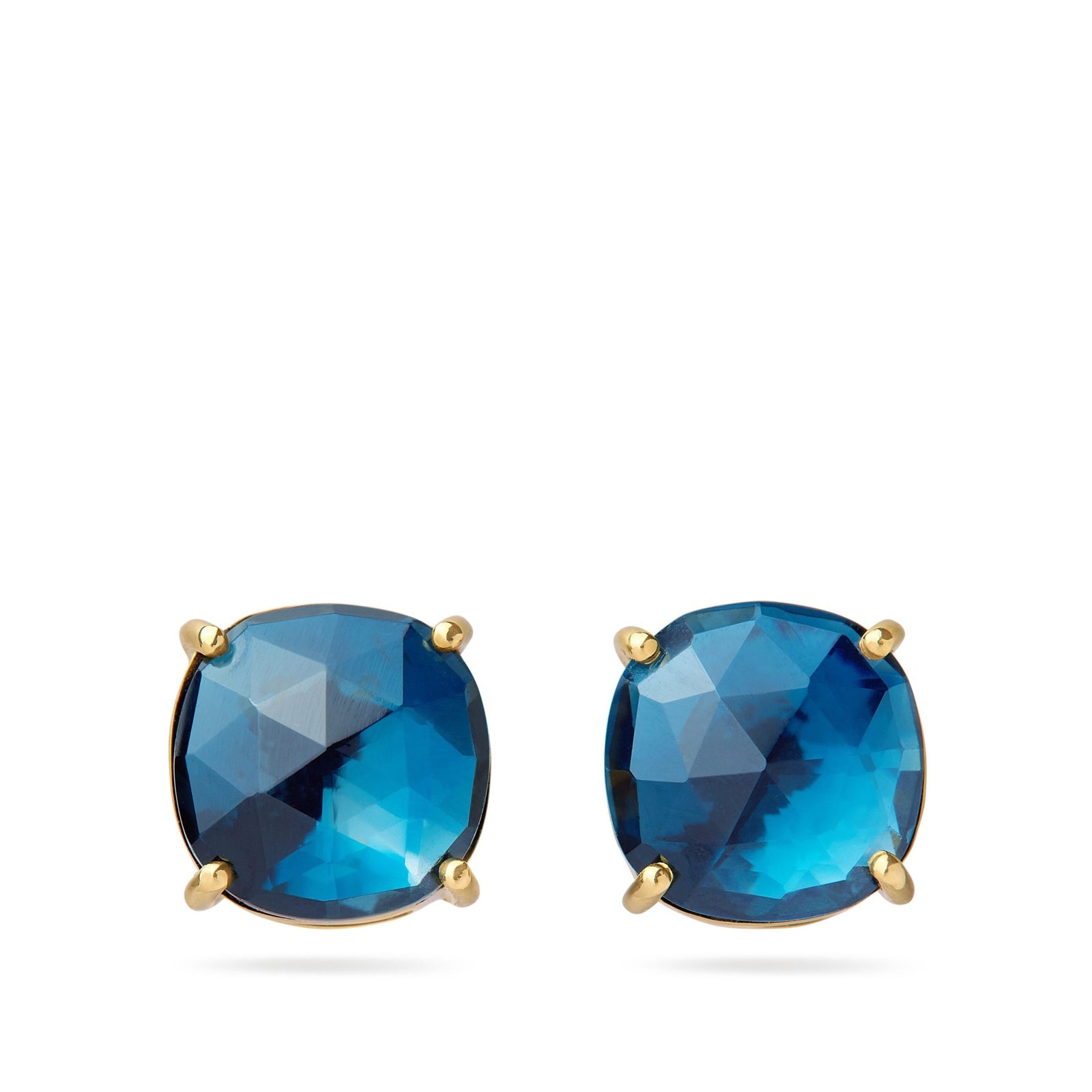
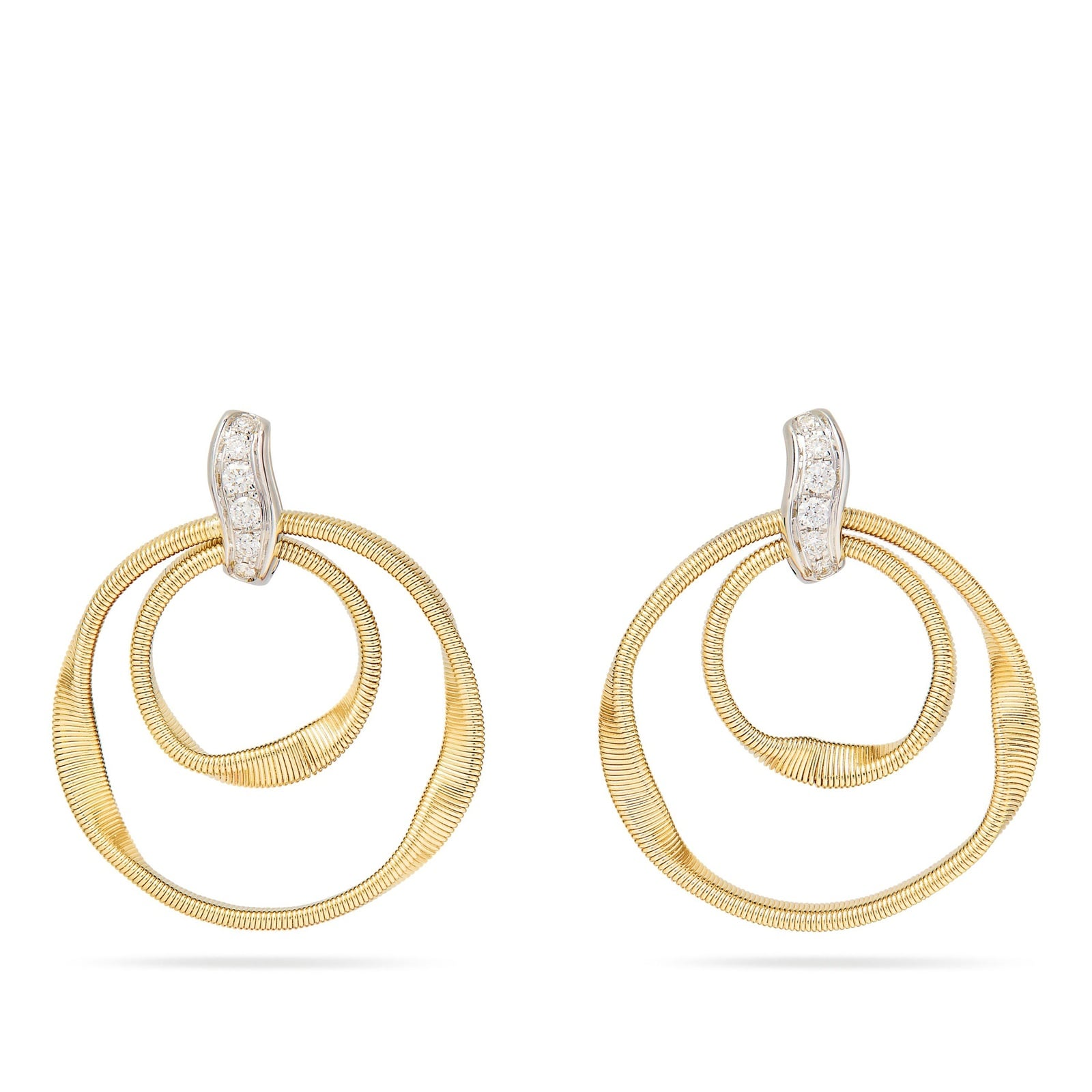
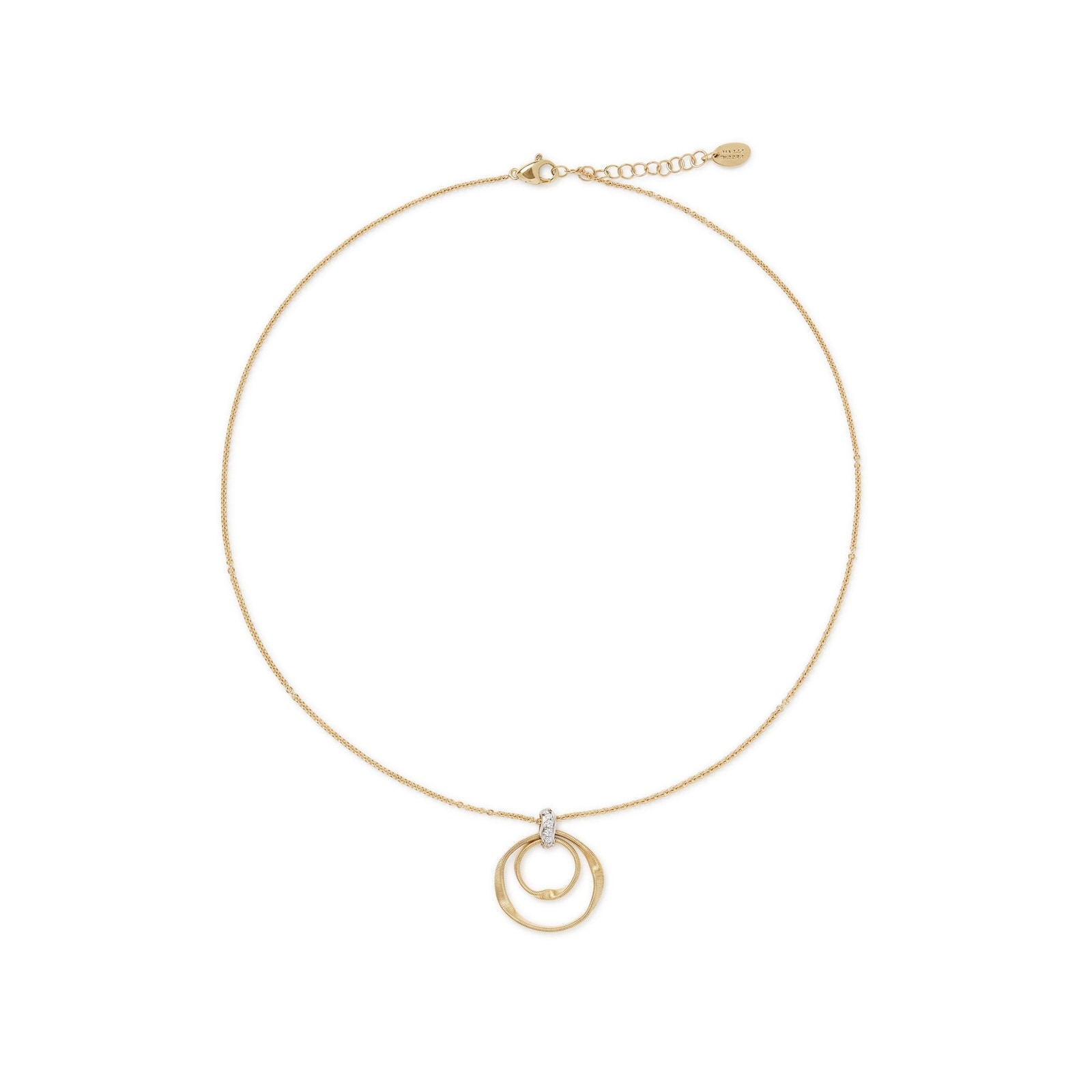
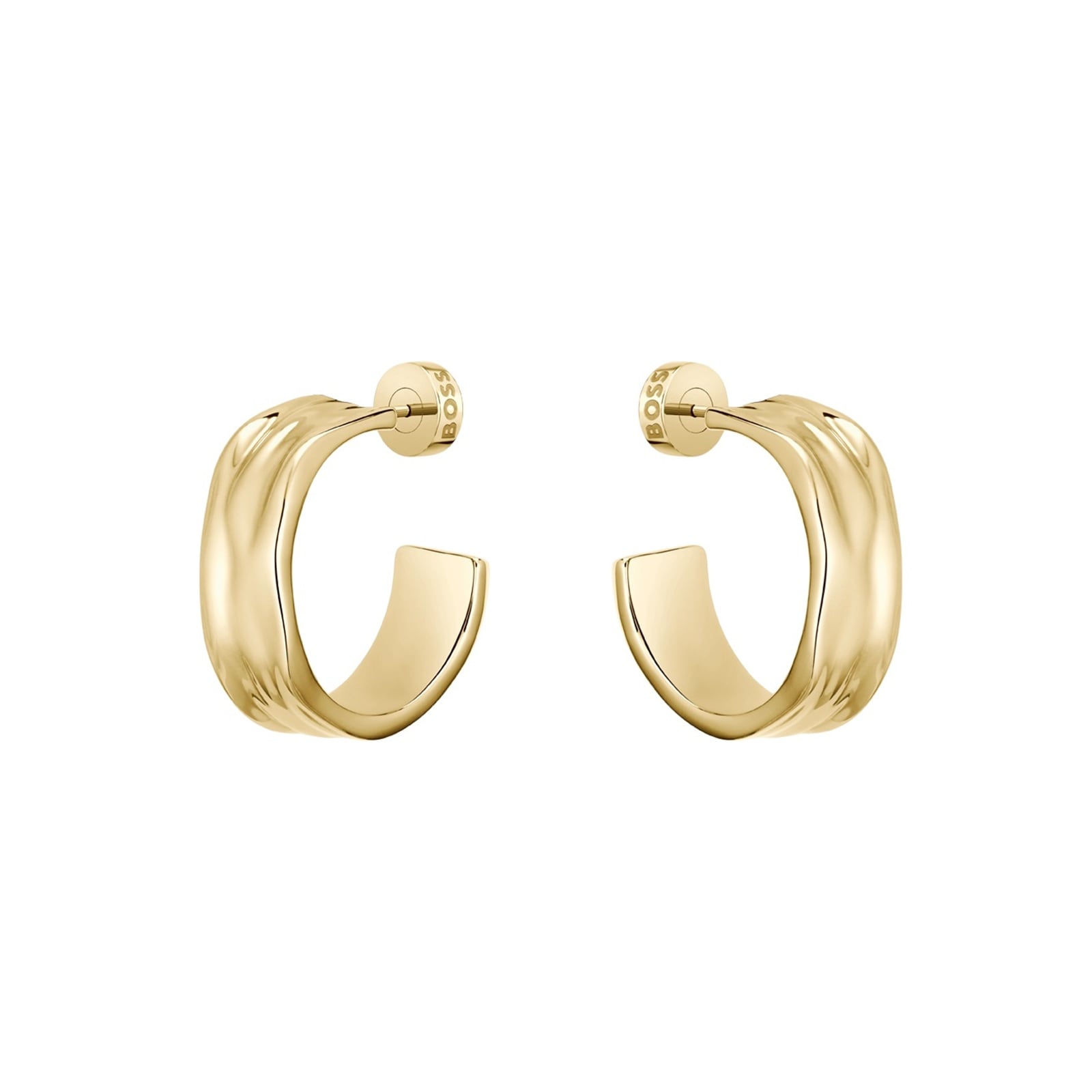
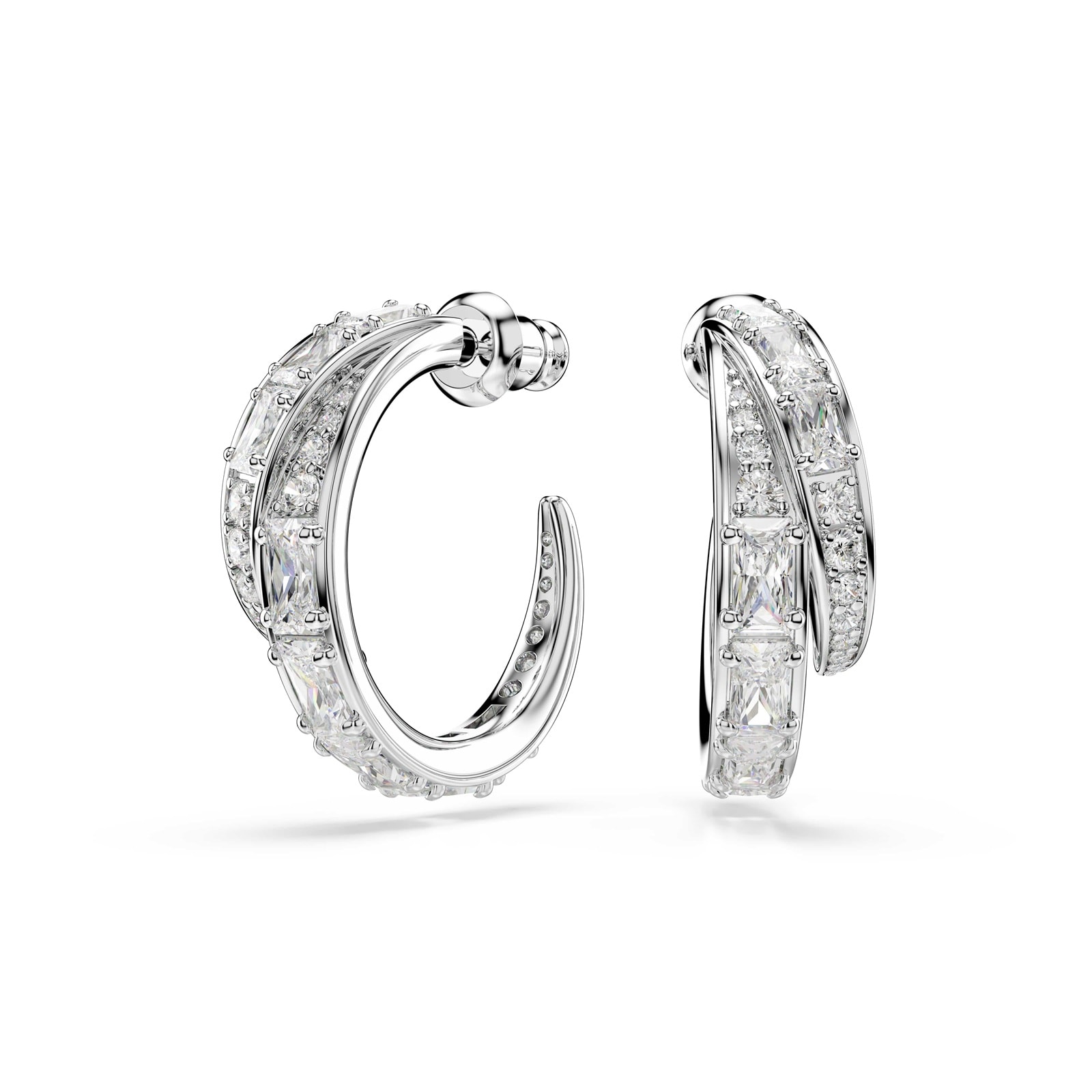
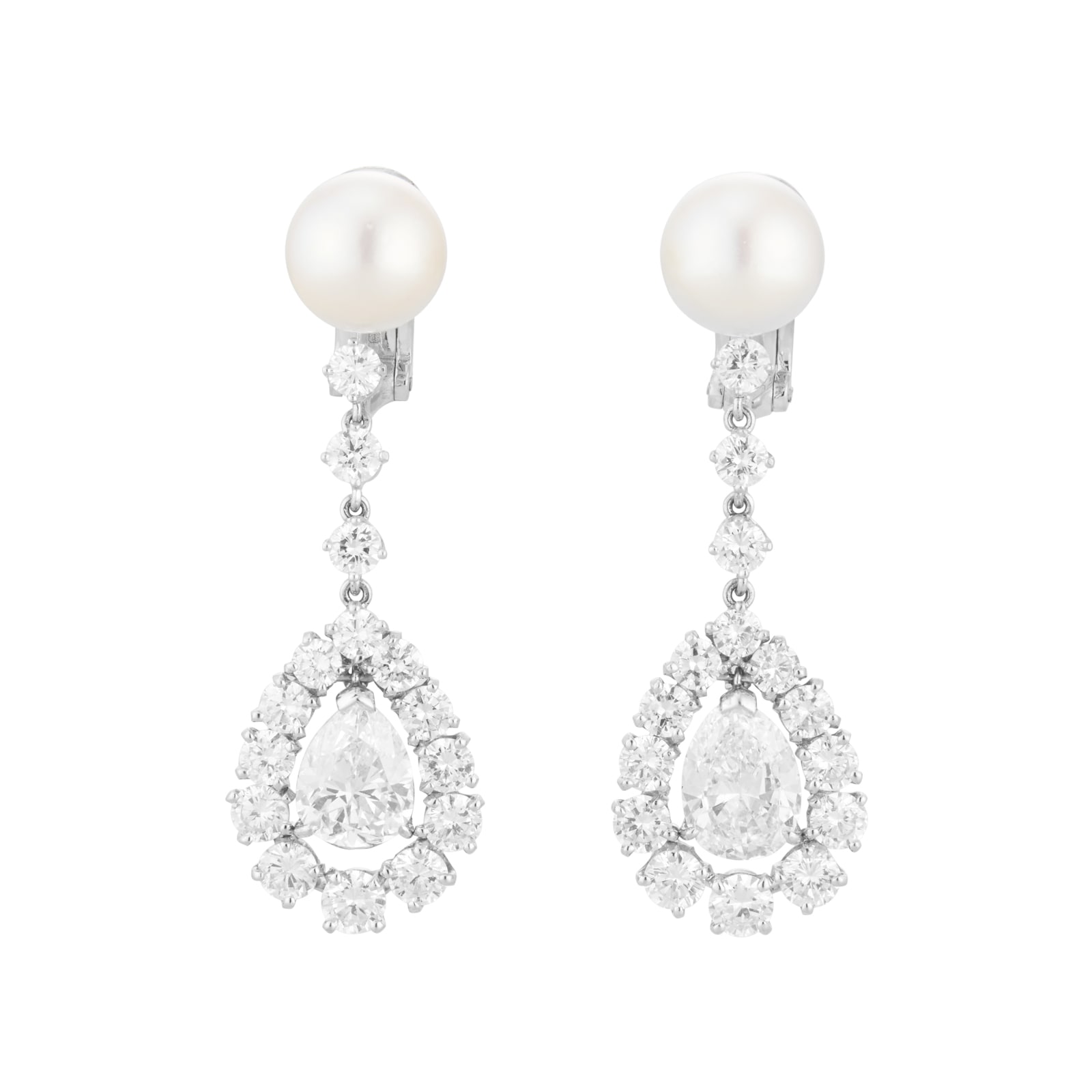
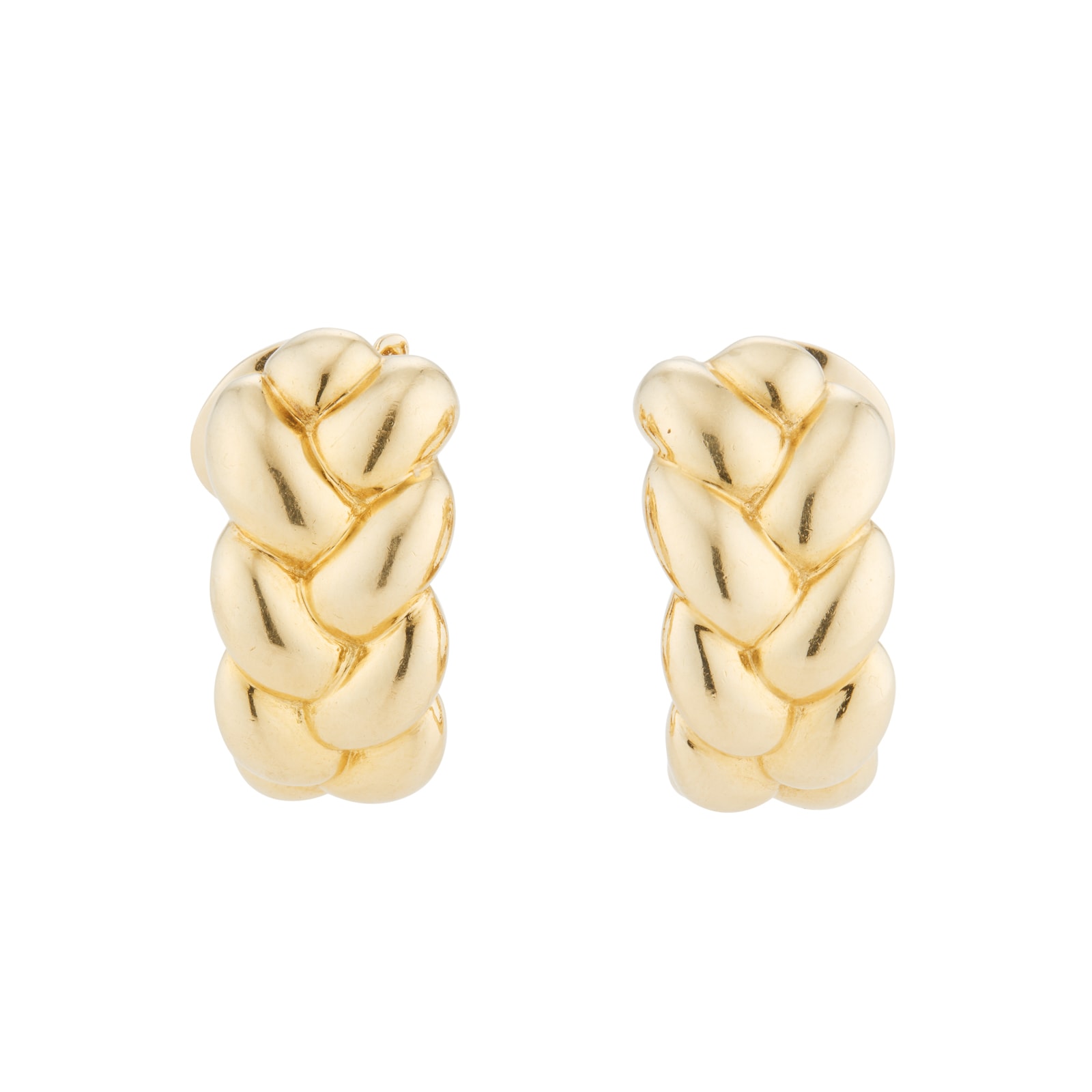
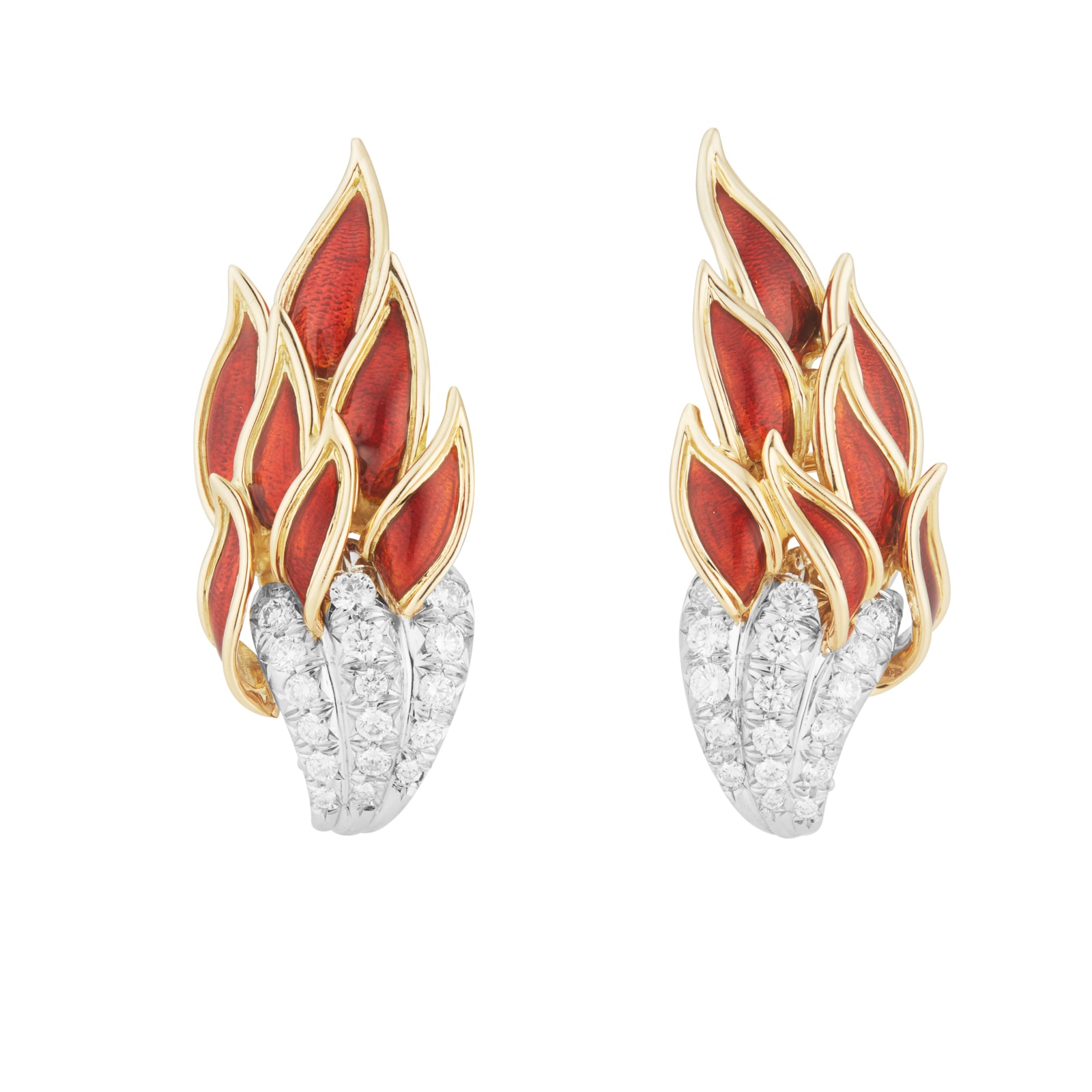
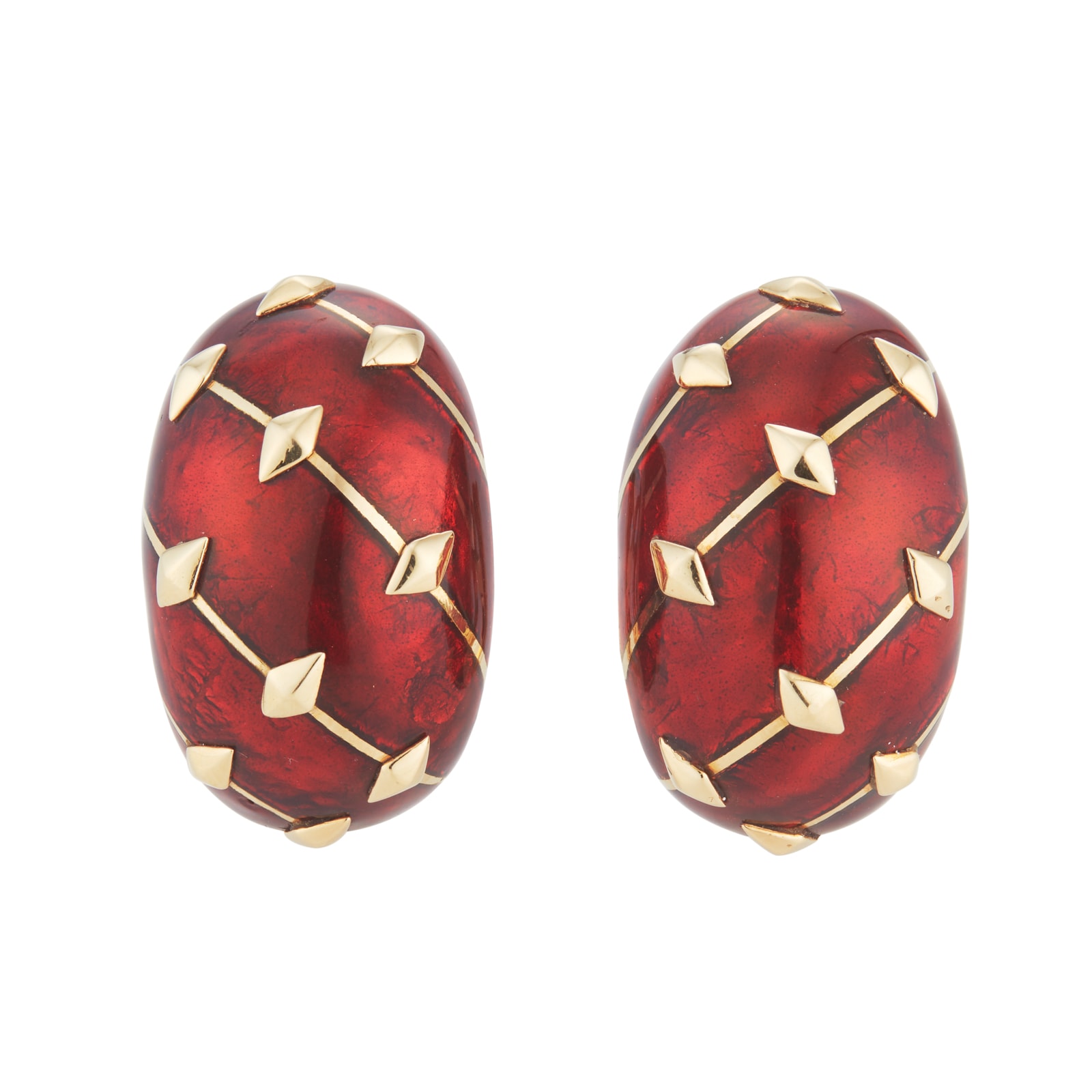
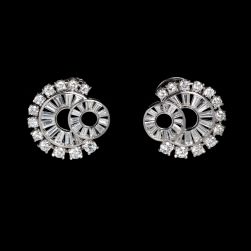
Across the national bridal market in 2026, custom lab grown diamond bridal rings have moved from novelty to mainstream expectation, driven by transparent pricing, rapid design iteration, and a generation of buyers who research before they ever step into a showroom. The design journey now begins on a screen: a CAD file, a rendered turntable, a wax or resin print, and finally a finished mount that holds a stone grown in a laboratory rather than mined from the earth. Understanding this pipeline—and where value is created or destroyed—is the difference between a ring that appraises well and one that merely photographs well. For exquisite artisan craftsmanship and certified stone settings, examine this handcrafted Bezel Set Diamond Tiny Stud Earring.
Market Landscape & Industry Realities for lab grown diamond bridal rings
Wholesale premiums for lab grown diamonds have compressed dramatically since 2018, and by 2026 the bridal segment has settled into a bifurcated market: commodity melee and 1–2 carat rounds priced near production cost, and premium-cut, certified stones commanding a distinct quality premium. This compression is not a defect; it is the defining economic reality that makes custom design accessible. Buyers who once allocated 70% of budget to the center stone can now redirect capital toward metalwork, setting craftsmanship, and design complexity.
Historically, the Diamond District corridor in New York and comparable hubs in Los Angeles, Chicago, and Miami built their bridal business on mined inventory with slow turn cycles. Lab grown supply inverted that model. Stones are ordered to specification, often within days, and custom mounts are cast or hand-fabricated on timelines that would have been unthinkable a decade ago. The result is a market where design service, not stone scarcity, differentiates merchants.
Economically, the buyer must internalize one uncomfortable truth: lab grown diamonds have low resale liquidity. Their value is in wearability, size, and design, not in a secondary market. This does not make them a poor purchase—it makes them a consumption good with exceptional aesthetic yield. Bridal buyers who frame the decision correctly avoid disappointment later.
Purchasing context matters as well. Couples increasingly shop together, compare CAD renders across multiple merchants, and request certification before committing. Showrooms that publish transparent specifications and maintain a certified Earrings showroom inventory signal operational discipline—an important proxy for how they will handle a custom commission.
The 4Cs, Sourcing & Pricing Benchmarks for lab grown diamond bridal rings
Independent gemological laboratories like GIA and IGI classify cut grade as the single greatest determinant of visual performance in lab grown stones, and in 2026 the grading reports for lab grown goods are more consistent than in the early years of the category. Still, buyers must read beyond the headline grade. Table percentage, crown angle, and pavilion depth interact to produce either brilliance or a flat, glassy appearance that no certificate fully captures.
Always inspect the pavilion depth and table percentage under a 10x loupe before accepting a stone, and cross-reference those measurements against the proportions on the report. A 1.50 carat round with a 62% table and 61.5% depth will outperform a superficially similar stone with a 58% table and 63% depth in most lighting conditions. For fancy shapes—oval, emerald, pear—the length-to-width ratio and bow-tie severity matter more than any single grade.
Color and clarity thresholds for lab grown bridal rings differ from mined expectations. Because lab grown stones are frequently available in D–F color at accessible prices, buyers often overpay for color they cannot see once set. A G–H color, VS2 clarity stone in a bezel or halo setting is visually indistinguishable from a D/VS1 in everyday wear, and the savings fund superior cut or metalwork.
| Carat Tier (Round, Lab Grown) | Typical Wholesale Range (2026) | Retail Showroom Range | Best Value Spec |
|---|---|---|---|
| 0.50–0.75 ct | $180–$420 | $650–$1,400 | F–G, VS2, Excellent cut |
| 1.00–1.25 ct | $380–$850 | $1,200–$2,800 | G–H, VS2, Excellent cut |
| 1.50–1.75 ct | $700–$1,500 | $2,200–$4,800 | G, VS1–VS2, Ideal proportions |
| 2.00–2.50 ct | $1,200–$2,600 | $3,800–$7,500 | H, VS2, Excellent polish/symmetry |
| 3.00 ct+ | $2,400–$5,500 | $7,000–$15,000 | G–H, VS1, premium cut only |
Pricing benchmarks shift with shape and certification. A 2-carat oval with a strong length-to-width ratio and no bow-tie can command a 25–40% premium over a comparable round, while a poorly proportioned pear may trade at a discount despite identical grades. Buyers who explore our curated Earrings collection alongside ring inventory gain a useful calibration for how merchants price matched stones across categories.
Metal selection materially affects total cost. Platinum adds $400–$1,200 over 18K gold for a typical solitaire, but its density and wear resistance justify the premium for daily-wear bridal rings. 14K gold offers a lower entry point and greater scratch resistance than 18K, while 18K provides richer color and a heftier feel. Palladium and white gold alternatives exist but introduce maintenance trade-offs.
| Metal | Purity / Composition | Durability | Typical Cost Impact |
|---|---|---|---|
| Platinum 950 | 95% platinum, 5% iridium/ruthenium | Excellent; develops patina | Highest (+$400–$1,200) |
| 18K White Gold | 75% gold, alloyed with palladium/nickel | Very good; requires rhodium refresh | Moderate |
| 14K White Gold | 58.5% gold | Very good; more scratch-resistant | Lower |
| 18K Yellow/Rose Gold | 75% gold | Very good; softer than 14K | Moderate |
Premier Showroom Selection & Merchant Vetting for lab grown diamond bridal rings
Across premier jewelry districts and wholesale exchanges, storefront overhead directly affects the final quote on a custom mount, which is why two merchants can present identical CAD files at prices differing by 30%. The difference is rarely the stone—it is the labor rate, the casting vendor, and the margin structure. Buyers who understand this can negotiate intelligently without insulting the bench.
Vetting a merchant begins with certification discipline. Ask whether the showroom provides a verified Earrings valuation report for comparable inventory, and request the same documentation standard for your commission. A merchant who cannot produce consistent paperwork for existing stock will not produce it for a custom order.
Direct wholesale versus retail markup is the central negotiation lever. In the Diamond District, a custom solitaire setting might be quoted at $1,200 retail against a $550–$700 bench cost. That gap is not automatically unfair—it funds design time, CAD revisions, casting, setting, polishing, and warranty—but it should be transparent. Ask for a line-item breakdown: stone, CAD design fee, metal weight and alloy, labor, setting, and finishing.
Negotiation protocols that work: request a CAD revision allowance in writing (two to three rounds is standard), confirm whether the design fee is credited against the final purchase, and ask for the casting vendor's name and location. Domestic casting with a named partner is a quality signal; anonymous overseas casting introduces timeline and QC risk.
“A custom ring is a contract, not a conversation. Get the CAD revision count, metal weight, and stone certificate number in writing before you pay a deposit.” — Senior bench jeweler, Diamond District corridor
Custom Design, Bench Fabrication & Certification for lab grown diamond bridal rings
Compared to machine-pressed gold settings, hand-fabricated platinum mounts provide superior prong integrity and long-term stone security, particularly for bezel and halo designs where metal thickness is critical. This is why the CAD-to-bench pipeline matters: a beautiful render is worthless if the casting is porous or the prongs are undersized.
CAD modeling is the first quality gate. Review the file at 1:1 scale, check wall