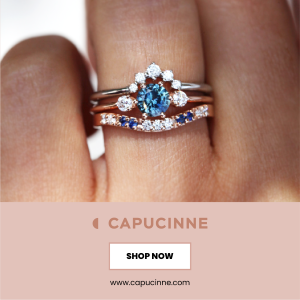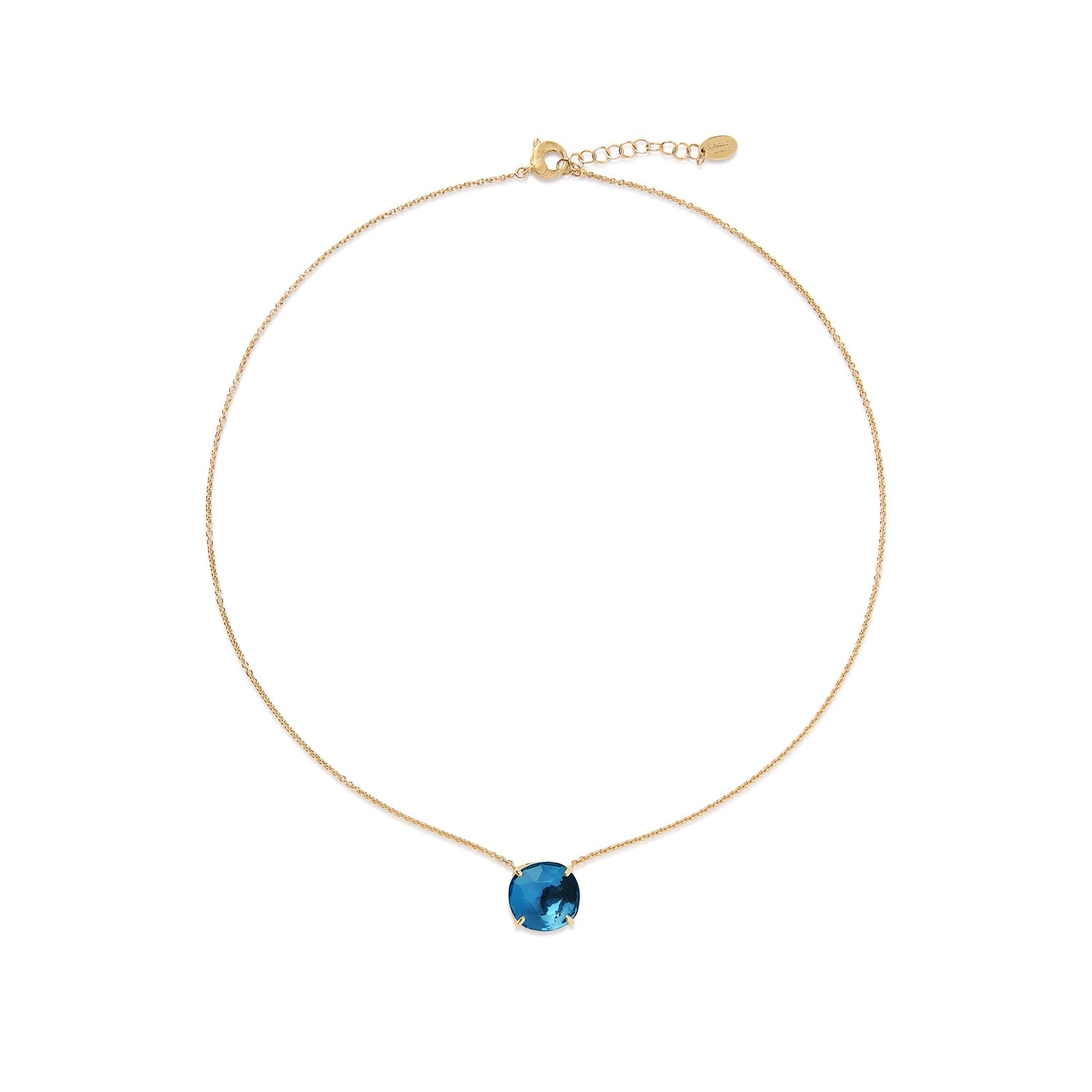
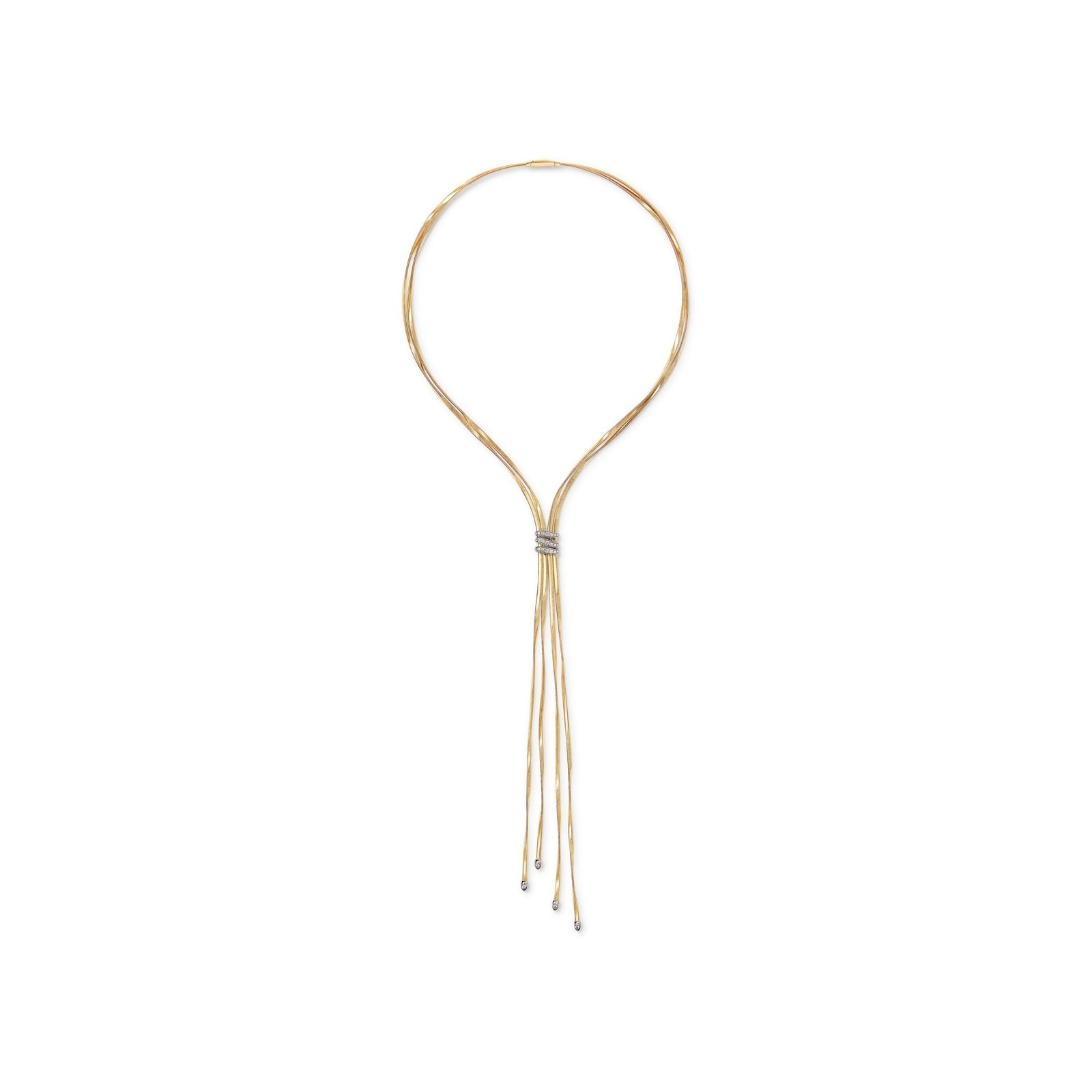
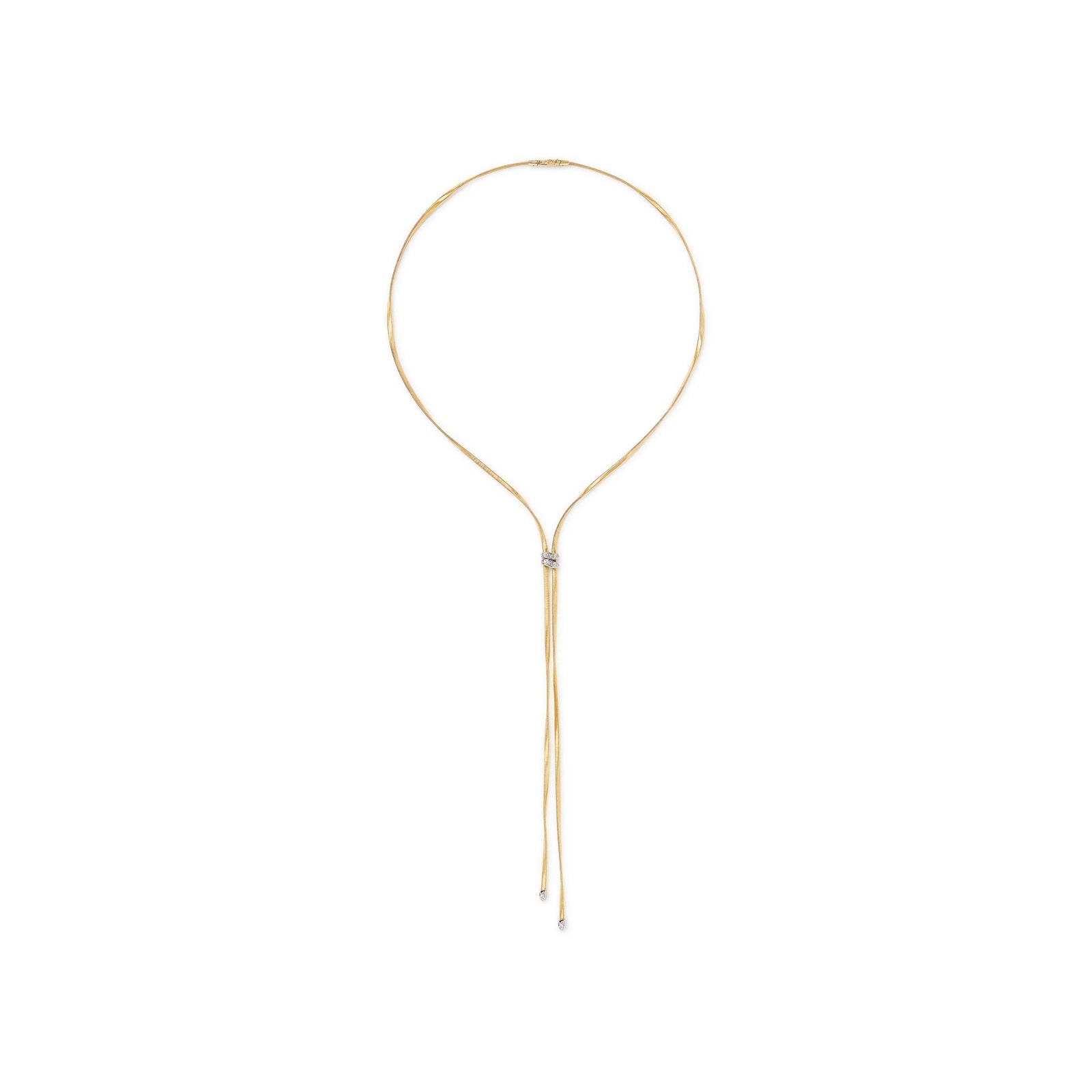
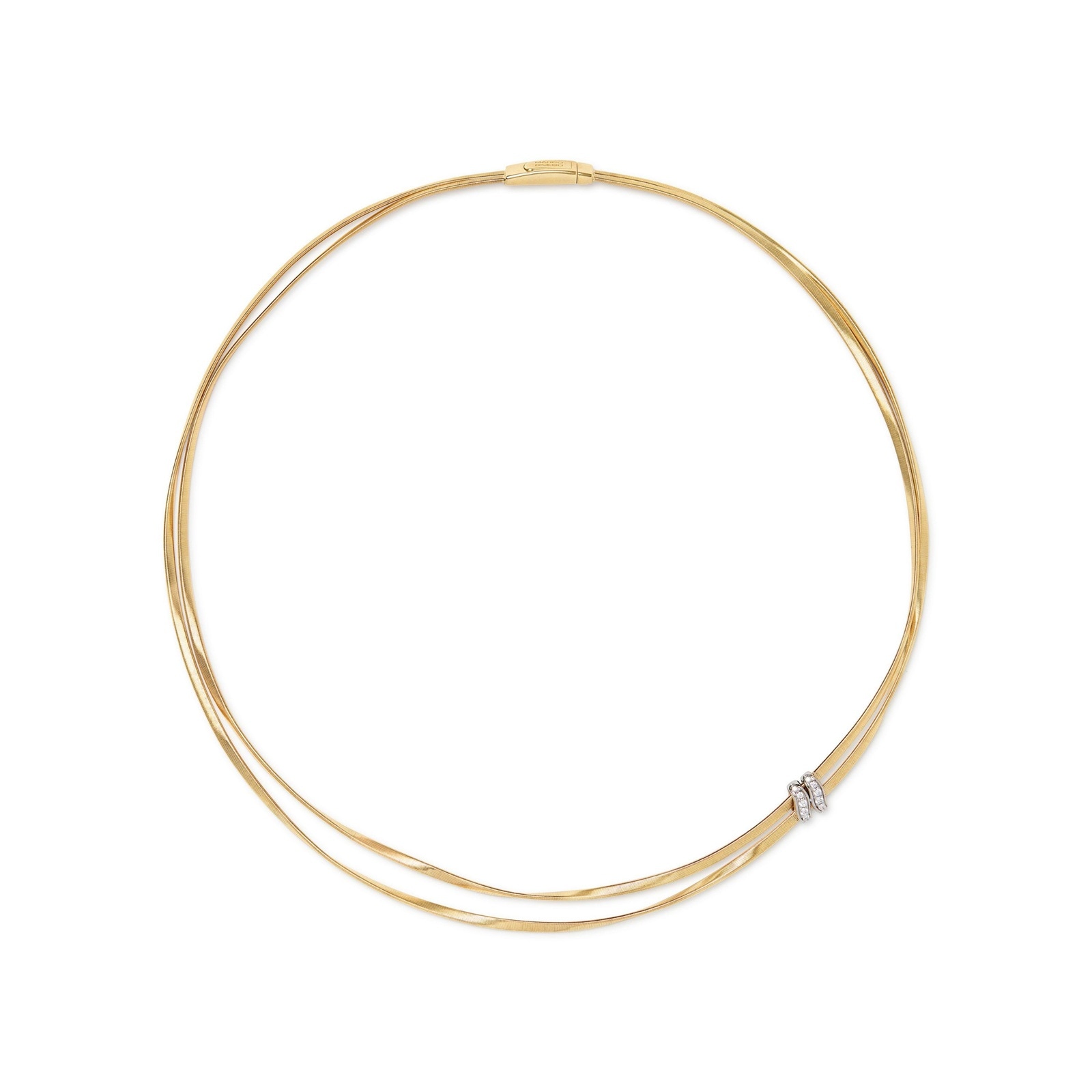
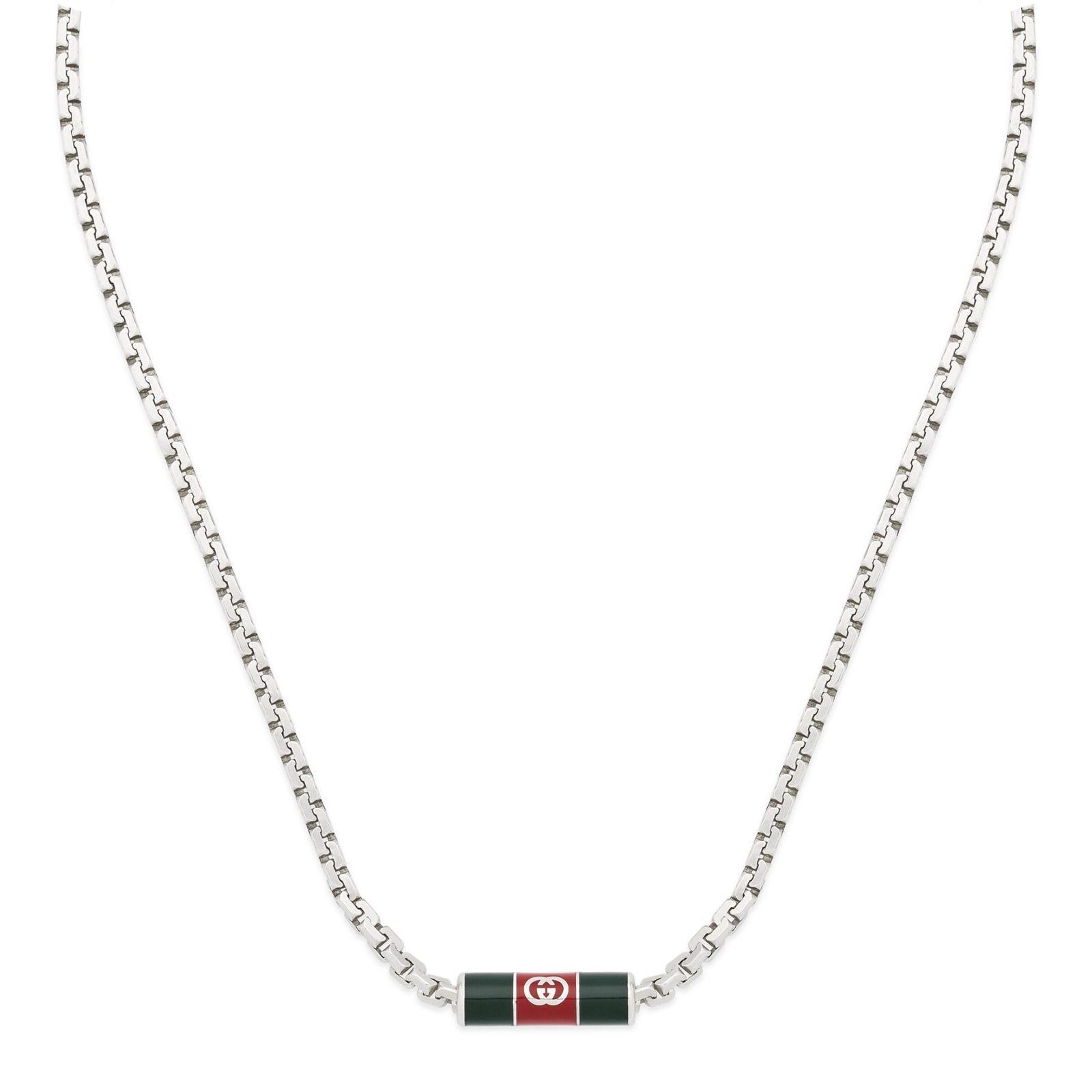
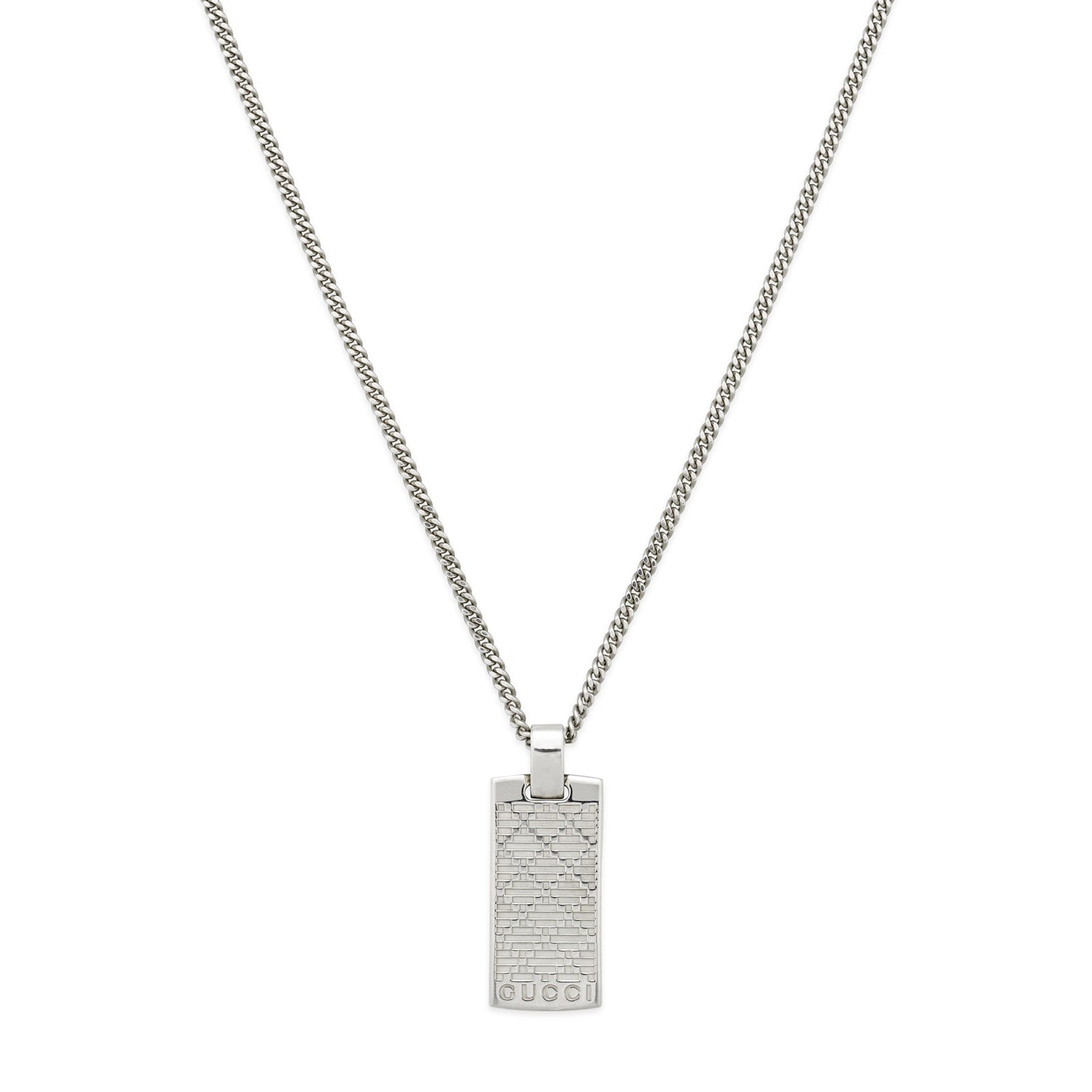
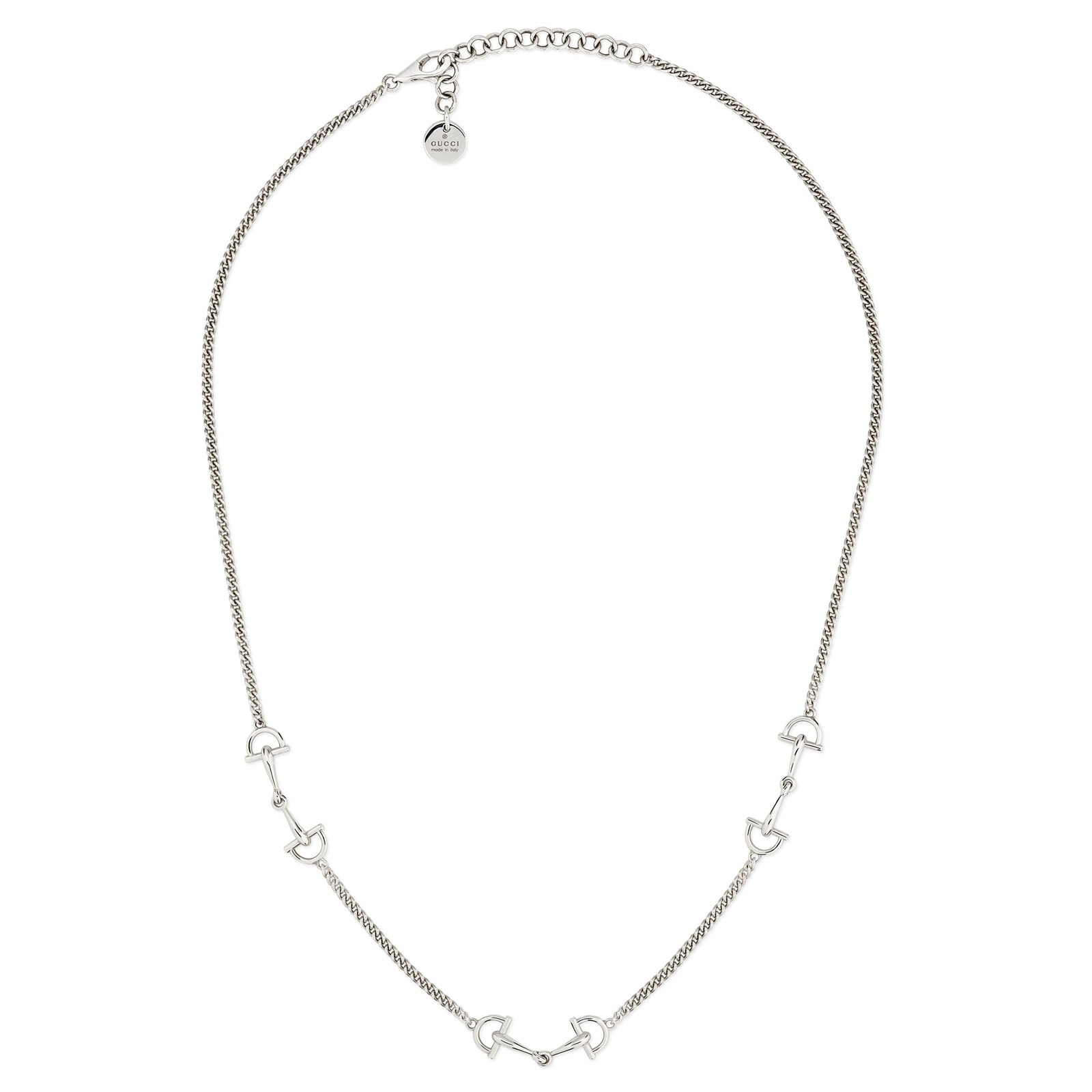
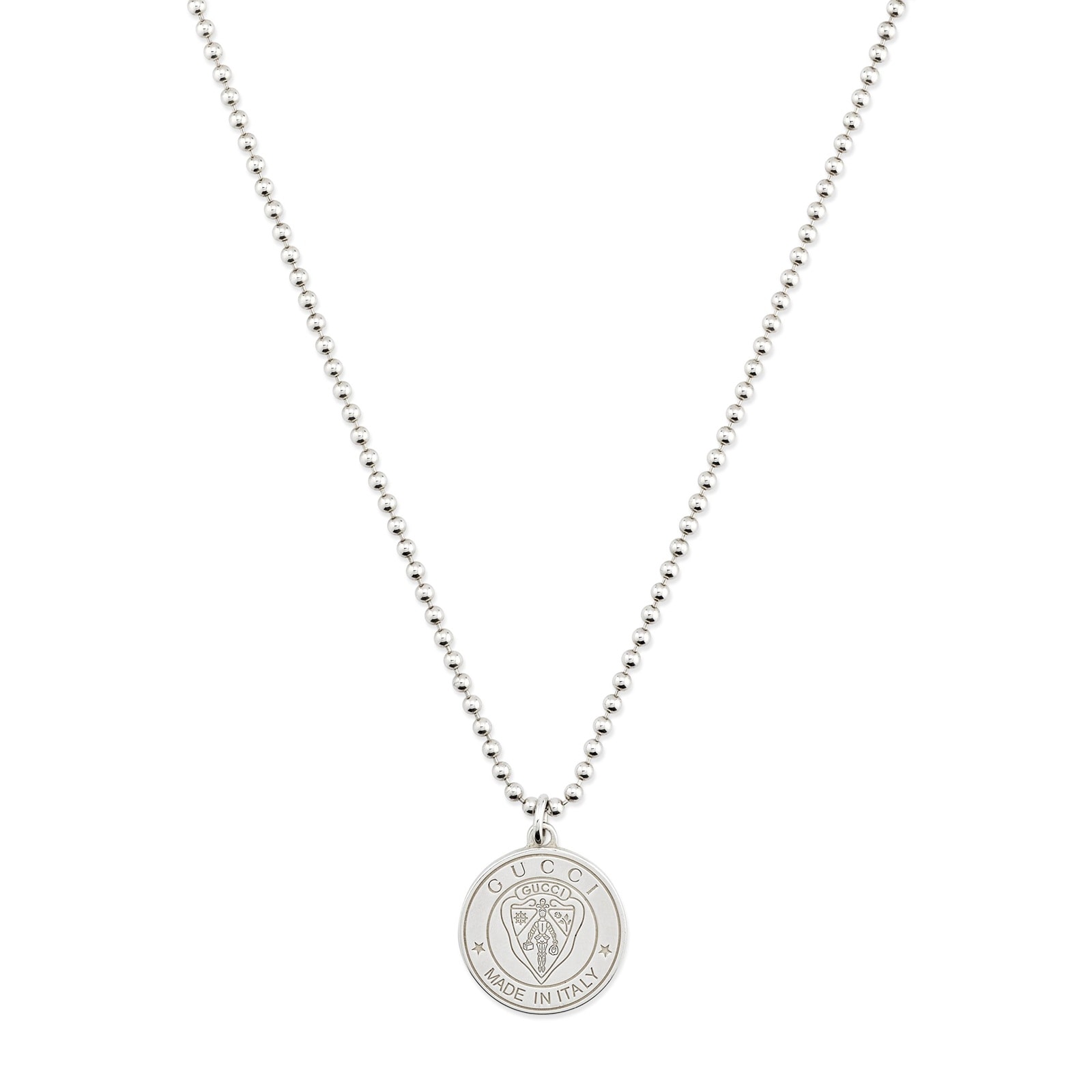
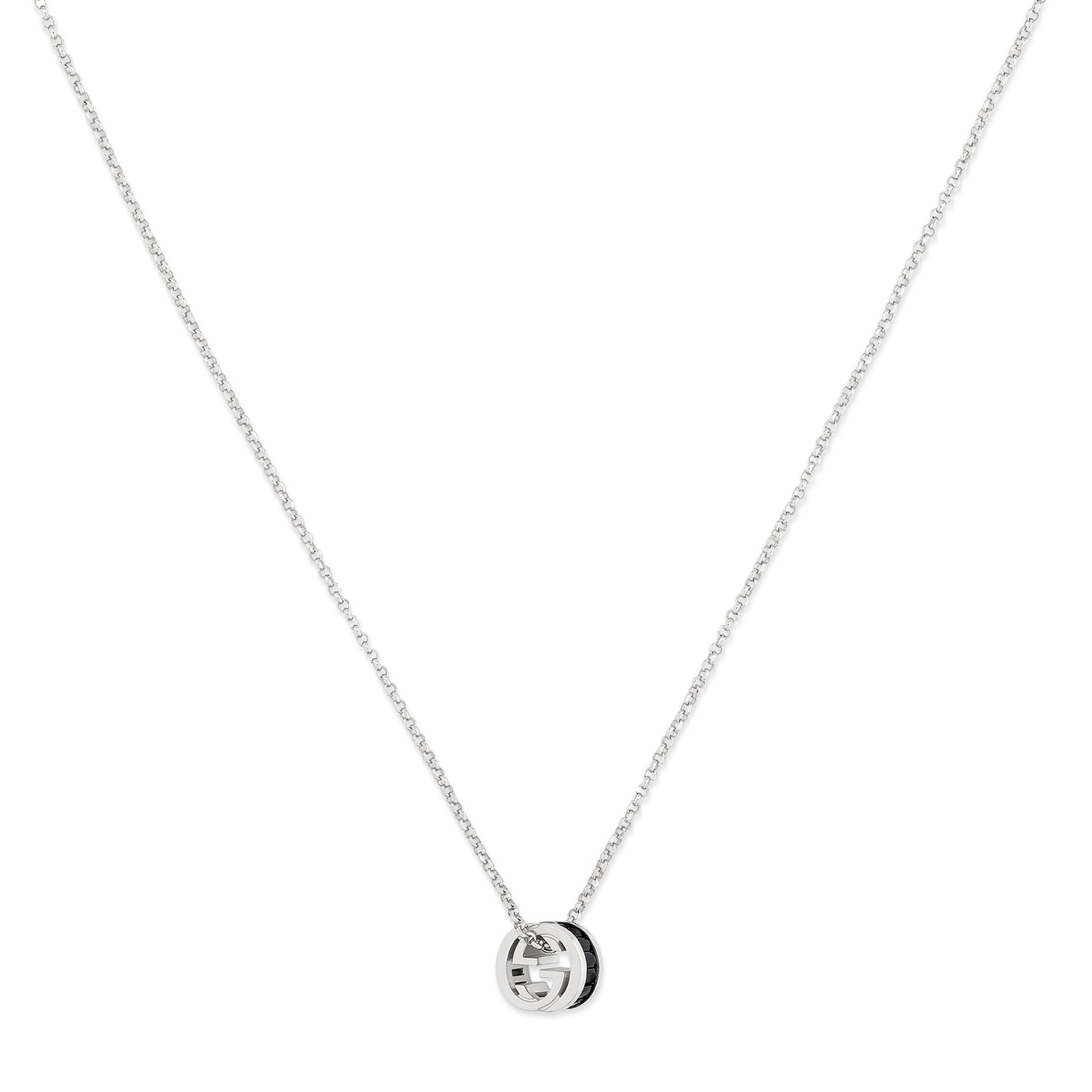
Across the United States' premier jewelry corridors—from New York's 47th Street to Los Angeles' Jewelry District—pendant pricing in 2026 has become a tale of two markets: the transparent wholesale exchange and the opaque retail showroom. A 1-carat diamond pendant that wholesales for $4,200 can carry a $7,800 retail tag three blocks away. Understanding that spread is the difference between paying fair market value and funding a storefront's holiday window display. This guide dissects the real numbers behind pendants—metal weight formulas, diamond tier pricing, appraisal fee schedules, and the vetting protocols that separate legitimate dealers from margin opportunists. Whether you're sourcing a certified Pendants showroom inventory piece or commissioning a custom mount, the figures below reflect actual 2026 transaction data from wholesale exchanges and independent appraisal labs. Discover more details and verified selections via verified Pendants valuation report.
Pendants Market Landscape: 2026 Economic Realities and Purchasing Context
Wholesale diamond pendant pricing has risen 6.8% year-over-year, driven by tightened rough diamond supply from De Beers and ALROSA and sustained demand for 18K gold mounts as bullion holds above $2,150 per ounce. That combination—costlier stones plus costlier metal—means 2026 buyers face a market where a mid-tier pendant costs 12–15% more than it did in 2024. The economic backdrop matters because pendant pricing is never just about the center stone; it's a composite of diamond carat, metal weight, labor, certification, and the retail margin layered on top.
Historically, pendants have occupied a unique position in the jewelry hierarchy: lower entry barriers than engagement rings, higher emotional durability than fashion jewelry, and stronger resale liquidity than most colored stone pieces. That liquidity, however, varies dramatically by specification. A GIA-certified 1.5-carat round brilliant pendant in platinum resells at 55–65% of retail; a 0.50-carat uncertified pendant in 10K gold may resell at 20–30%. The 2026 market rewards specification clarity and punishes ambiguity, which is why certified inventory commands a premium—and why buyers who understand the spread capture disproportionate value.
Regional pricing diverges sharply. New York's Diamond District wholesale quotes for a 1.00-carat G/VS2 round pendant (14K white gold, 18-inch chain) ranged from $4,100 to $4,650 in Q1 2026, while comparable retail mall jewelers quoted $6,900–$8,400. Chicago and Houston showrooms sit between those poles, with retail markups of 55–75% over wholesale rather than the 85–105% seen in high-rent Manhattan retail. The lesson is geographic arbitrage: where you buy matters nearly as much as what you buy.
Consumer behavior has shifted accordingly. Buyers increasingly request wholesale invoices, independent appraisals, and GIA report numbers before committing—a trend that has forced even traditional retailers to disclose more granular pricing. The 2026 pendant buyer is more informed than any previous cohort, and the market has begun to price transparency into the equation. Dealers who resist disclosure lose deals to those who embrace it.
Pendants Pricing Benchmarks: The 4Cs, Sourcing, and 2026 Carat Tiers
Independent gemological laboratories like GIA and IGI classify cut grade as the single greatest determinant of a pendant diamond's light performance—and, by extension, its price premium. A 1.00-carat round brilliant with Excellent cut, G color, VS2 clarity commands roughly 18–22% more than an otherwise identical Very Good cut stone. That premium compounds at higher carat weights: a 2.00-carat Excellent-cut pendant stone can outprice a Good-cut equivalent by $3,000–$4,500 at wholesale.
Always inspect the pavilion depth and table percentage under a 10x loupe before accepting any pendant quote. A table percentage above 60% on a round brilliant signals light leakage; pavilion depth below 40.5% or above 42.5% indicates cut compromise that no certificate headline captures. These are the specifications that separate a pendant that sparkles across a room from one that looks flat under restaurant lighting—and they're the first thing a seasoned appraiser checks.
Carat tier pricing is not linear. The 0.50-carat threshold carries a modest premium, but the 1.00-carat, 1.50-carat, and 2.00-carat thresholds each trigger step-function price jumps of 15–30% per half-carat because demand concentrates at those psychological markers. A 0.95-carat stone may cost 20% less than a 1.00-carat stone of identical quality—a fact that savvy pendant buyers exploit by shopping just below the threshold.
| Carat Weight | Color/Clarity Tier | Wholesale Range (2026) | Typical Retail Range | Certification |
|---|---|---|---|---|
| 0.50 ct | G/VS2, Excellent | $1,850–$2,300 | $3,100–$4,200 | GIA or IGI |
| 0.75 ct | G/VS2, Excellent | $2,900–$3,500 | $4,800–$6,200 | GIA |
| 1.00 ct | G/VS2, Excellent | $4,100–$4,650 | $6,900–$8,400 | GIA |
| 1.50 ct | G/VS2, Excellent | $7,200–$8,100 | $11,800–$14,500 | GIA |
| 2.00 ct | G/VS2, Excellent | $12,400–$14,000 | $20,500–$25,000 | GIA |
| 2.00 ct | H/SI1, Very Good | $8,900–$10,100 | $14,500–$17,800 | IGI |
Metal weight calculations add a second pricing layer that many buyers overlook. An 18-inch 14K white gold cable chain weighs roughly 2.1–2.8 grams; the pendant mount adds 1.5–3.5 grams depending on setting complexity. At 2026 gold prices, that's $180–$420 in raw metal cost for a 14K mount, or $310–$680 for 18K. Platinum mounts (95% pure) weigh 40–60% more than gold equivalents for identical dimensions, adding $450–$900 in metal cost. When you explore our curated Pendants collection, compare the stated metal weight against these benchmarks—a 1.00-carat pendant mount under 1.5 grams of 18K gold is suspiciously light and likely hollow or machine-pressed.
Lab-grown diamond pendants have reshaped the entry tier. A 1.00-carat lab-grown G/VS2 pendant now wholesales for $850–$1,200—roughly 75% below natural—and retails for $1,600–$2,400. The price gap has stabilized in 2026 after two years of lab-grown price erosion, but resale value remains negligible: lab-grown pendants typically recover 10–20% of retail on secondary markets. Natural diamond pendants, by contrast, recover 55–65% at the 1.00-carat tier and 60–70% at 2.00 carats with GIA certification. For exquisite artisan craftsmanship and certified stone settings, examine this handcrafted 2 CT Heart Shape Black Onyx Solitai.
"The single most expensive mistake pendant buyers make in 2026 is paying natural-diamond prices for an uncertified stone. Without a GIA or IGI report, you're not buying a specification—you're buying a story." — Senior Diamond District appraiser
Pendants Showroom Selection: Wholesale vs Retail Markups and Merchant Vetting
Across premier jewelry districts and wholesale exchanges, storefront overhead directly affects pendant pricing by 35–60% of the final retail tag. A dealer paying $180 per square foot on 47th Street must recover that cost through margin; an online wholesaler operating from a Secaucus warehouse does not. That structural difference explains why identical GIA-certified pendants can differ by $2,000–$3,500 between a Manhattan retail showroom and a wholesale exchange dealer three blocks away.
Vetting a pendant merchant requires more than checking a Google rating. Request the dealer's wholesale invoice for the specific stone—legitimate dealers will share it with the understanding that you're paying a disclosed margin. Ask for the GIA or IGI report number and verify it independently on the lab's website before any deposit. Confirm the metal hallmark (14K, 18K, 950PT) and weigh the piece on a calibrated scale if purchasing in person. A dealer who resists any of these requests is signaling margin opacity that will cost you thousands.
Negotiation protocols differ by channel. Wholesale exchange dealers typically quote 10–15% above their cost and expect 3–7% negotiation room on pendants above $3,000. Retail showrooms quote 85–105% above wholesale and may negotiate 10–20% during promotional periods—but rarely below wholesale-plus-40%. The most effective negotiation lever is a