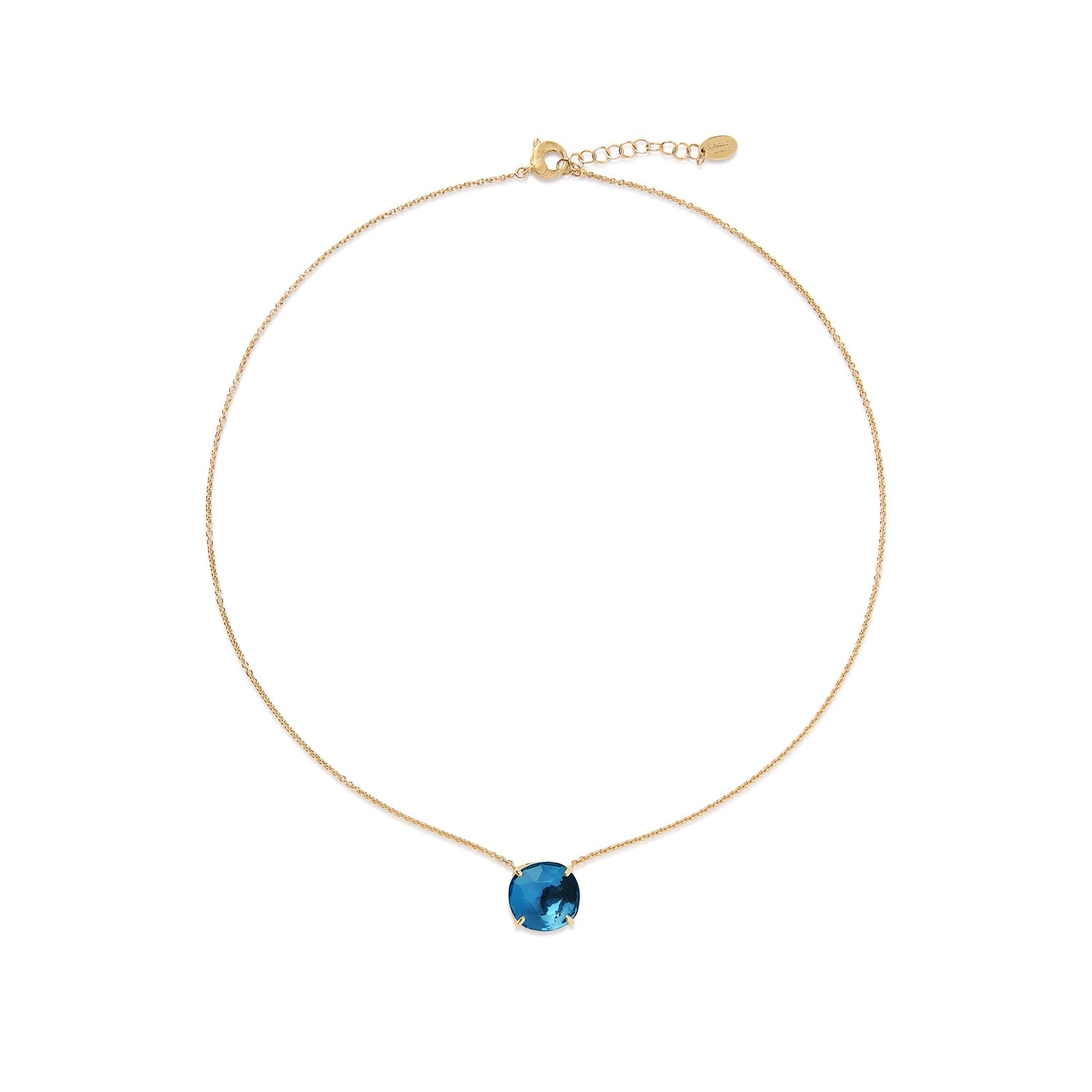
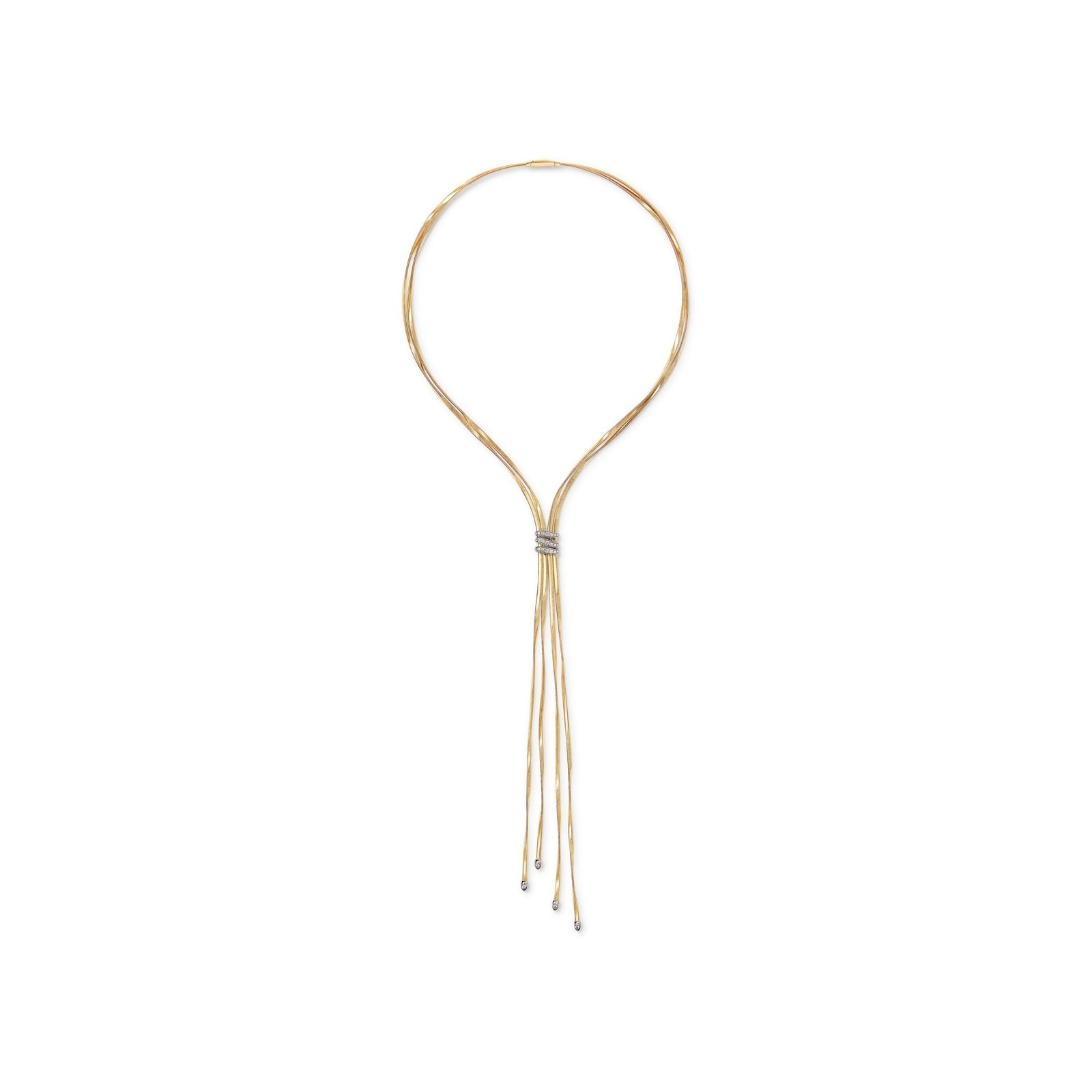
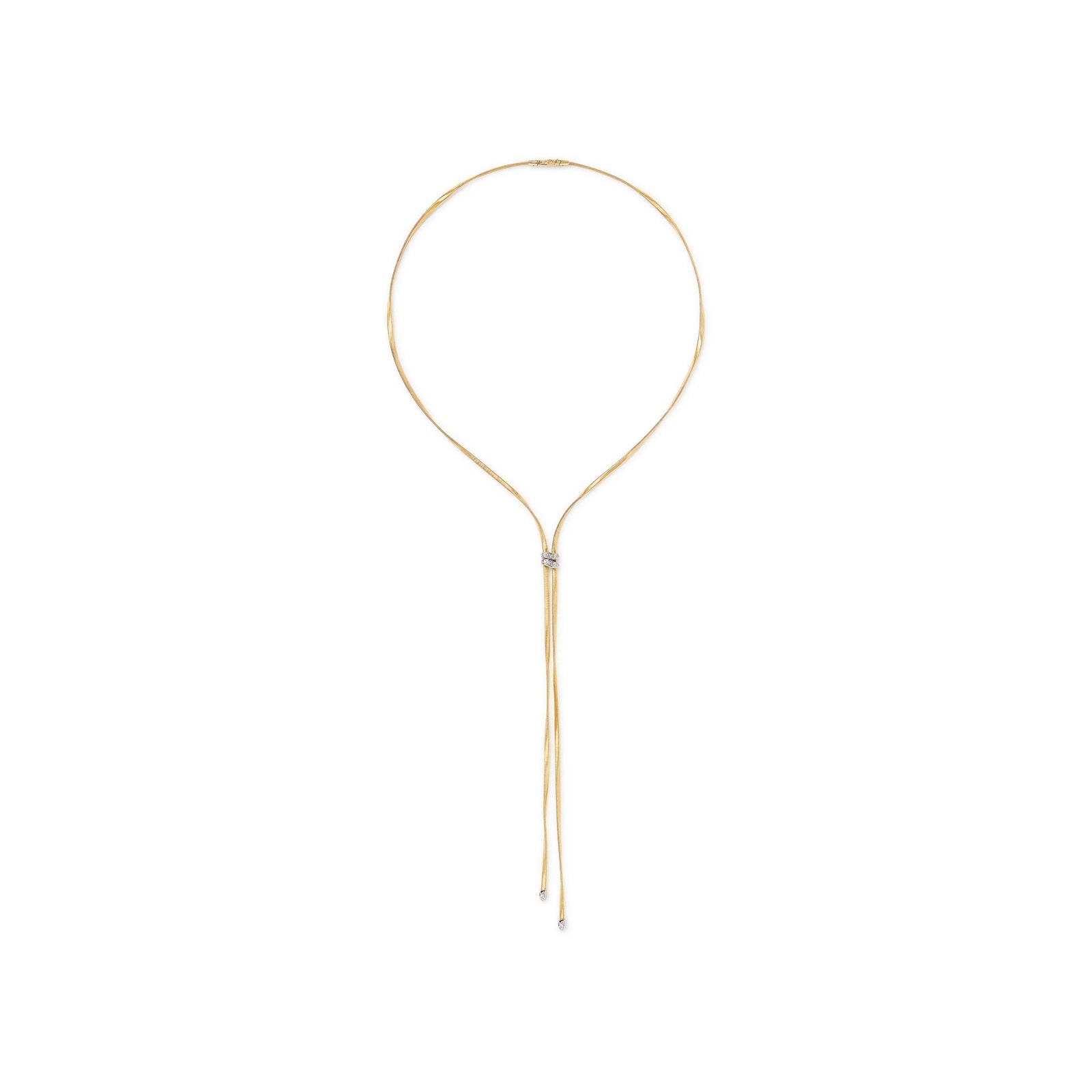
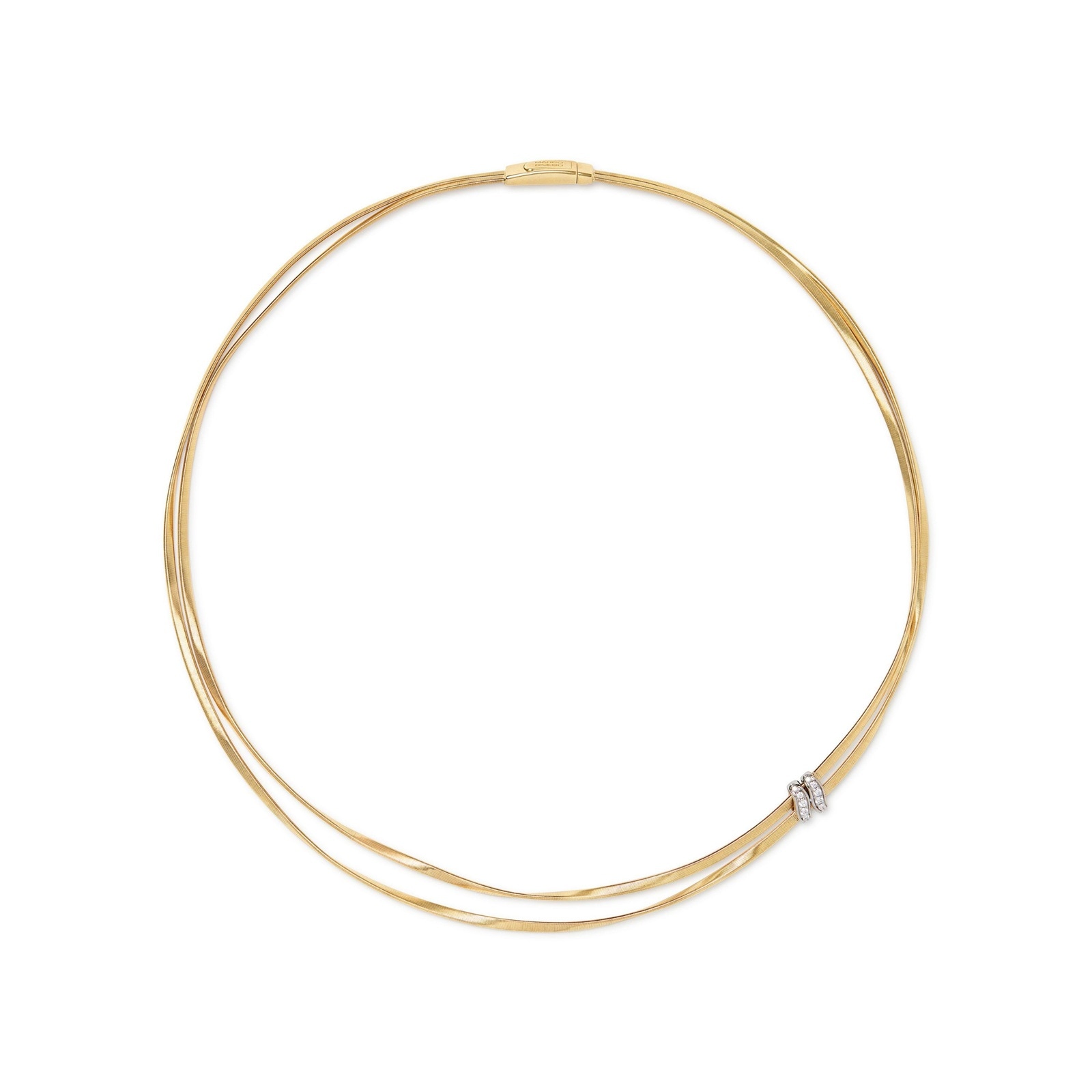
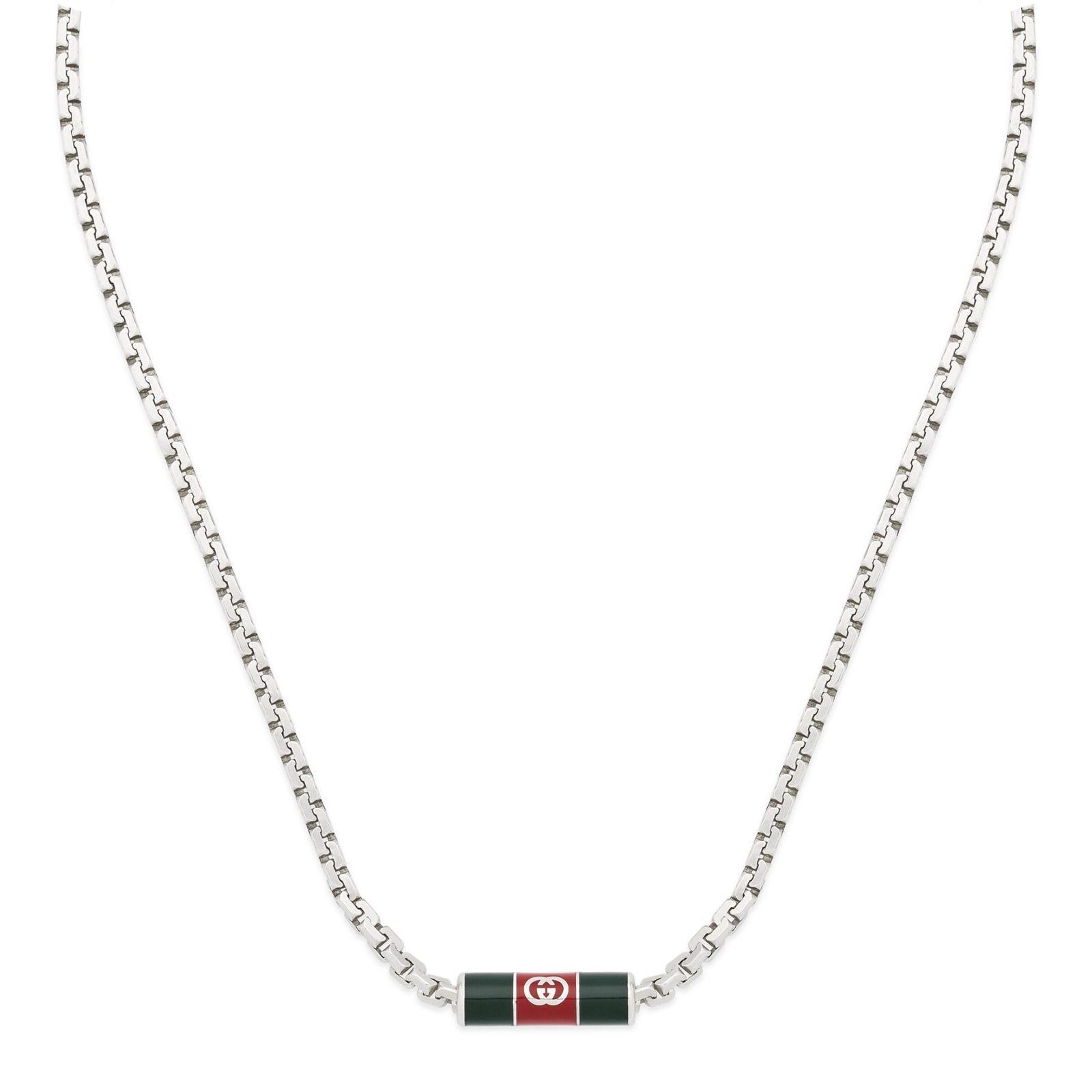
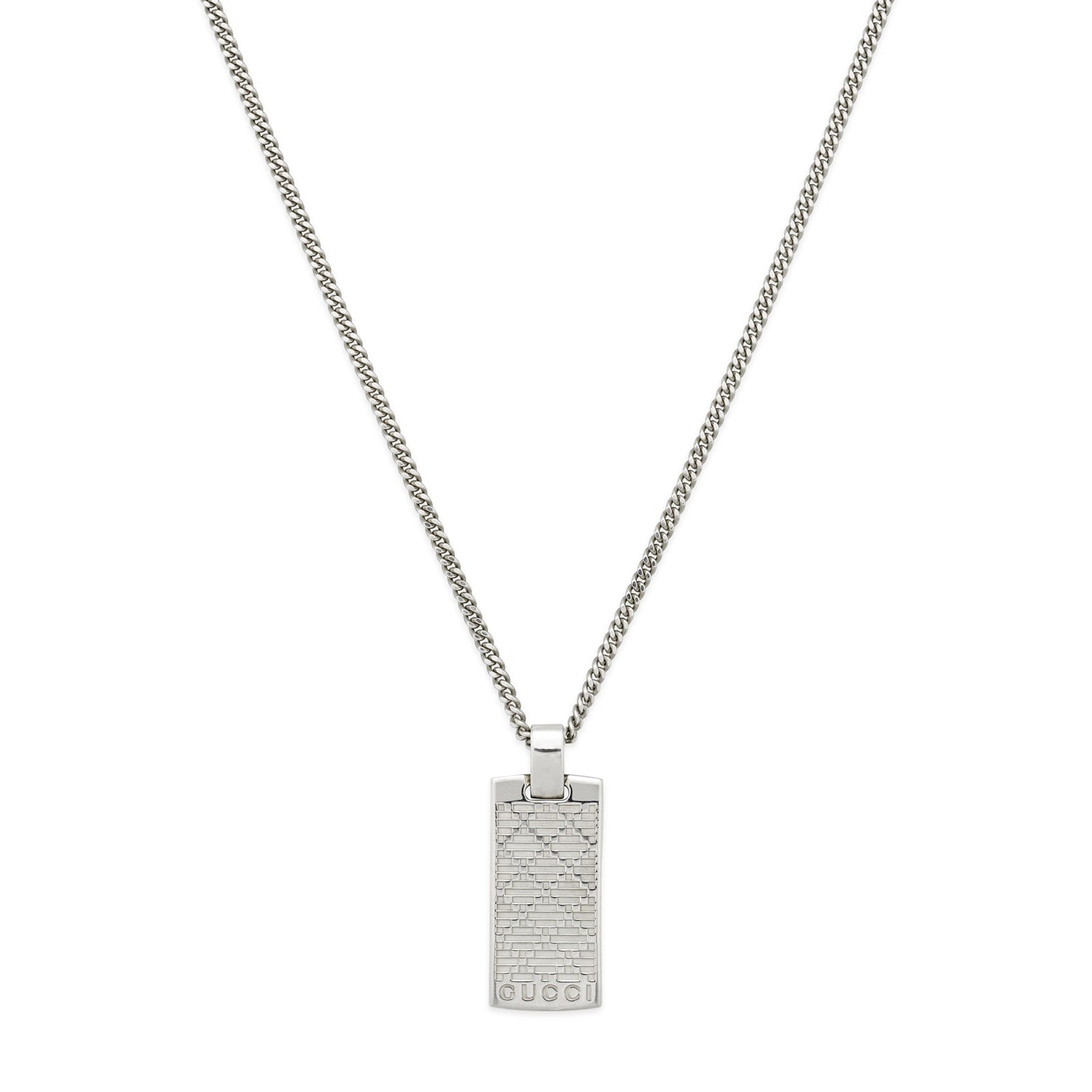
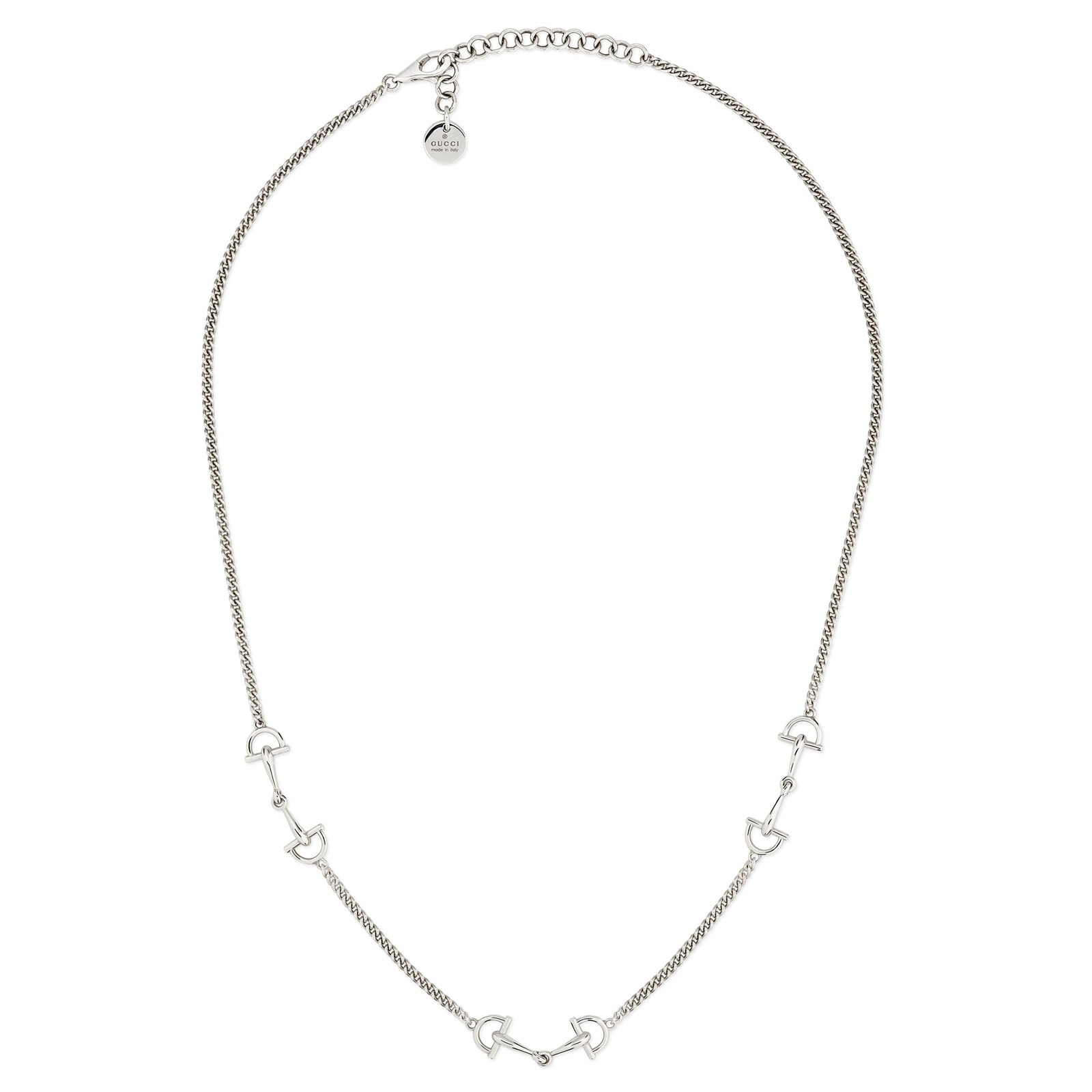
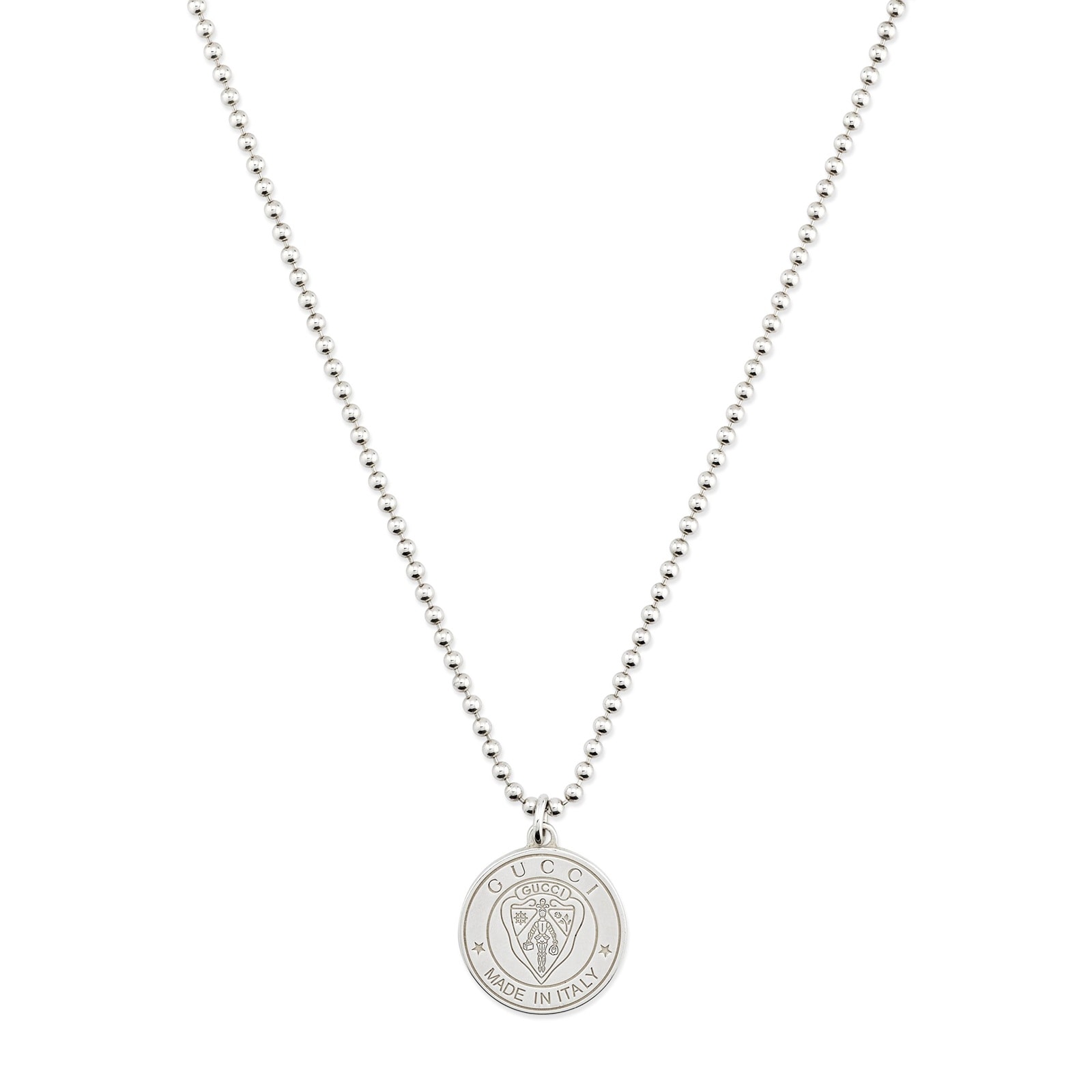
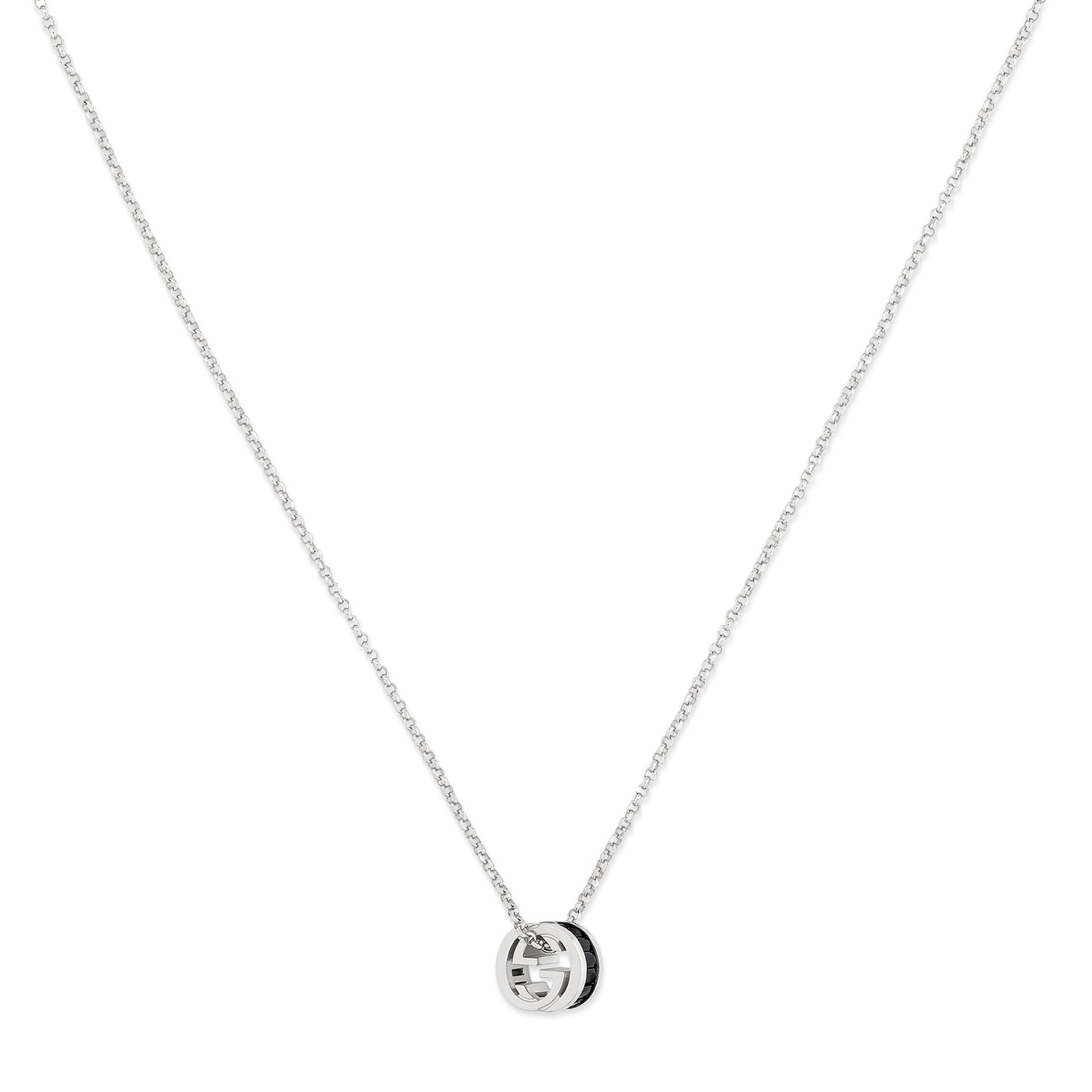
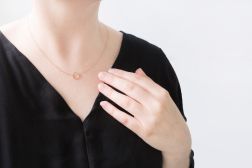
Across the United States, pendant sales now represent one of the fastest-growing segments of fine jewelry retail, and the 2026 consumer faces a paradox: more certified inventory than ever before, yet more variability in dealer quality. A pendant is a deceptively simple object—a stone, a bail, a chain—but the difference between a properly certified piece and an uncertified lookalike can span thousands of dollars in resale value and insurance coverage. This guide, written from the bench and the vault, walks through the exact vetting protocol a master gemologist applies before recommending any jeweler to a private client. For exquisite artisan craftsmanship and certified stone settings, examine this handcrafted 2 CT Heart Shape Black Onyx Solitai.
Pendants Market Landscape: Why Certification Became Non-Negotiable in 2026
Roughly 68 percent of pendants priced above $2,500 now arrive at retail with an independent laboratory report, up from approximately 41 percent a decade ago, according to aggregated trade data from major U.S. wholesale exchanges. That shift has fundamentally altered how buyers should shop: a certificate is no longer a premium upsell but a baseline expectation, and a jeweler who cannot produce one for a diamond pendant above one carat is signaling either thin sourcing or deliberate opacity.
Always begin any pendant evaluation by asking a single question: which laboratory graded this stone, and can I see the report number before I see the price? The answer instantly sorts serious merchants from casual resellers. Laboratories differ meaningfully in rigor—GIA and AGS command the highest secondary-market confidence, IGI dominates the lab-grown and fashion pendant segment, and lesser-known graders often apply softer color and clarity standards that inflate apparent value.
Historically, the American pendant market grew out of two distinct corridors: the wholesale exchanges of New York's 47th Street and the legacy estate-jewelry networks of the Northeast and Midwest. That dual lineage explains today's pricing spread. A pendant sourced through a wholesale exchange typically carries 15 to 30 percent less markup than an identical piece from a mall-chain showcase, because the exchange merchant operates on volume and trade relationships rather than foot-traffic overhead. Buyers who understand this geography negotiate from a position of strength.
Economic realities in 2026 reinforce the certification imperative. Gold and platinum spot prices have remained volatile, pushing precious-metal content to a larger share of total pendant cost than at any point since 2011. When metal alone accounts for 30 to 45 percent of a pendant's retail price, the stone's certified grade becomes the only reliable anchor for value. Reviewing a certified Pendants showroom inventory before visiting in person lets you compare report numbers, carat weights, and metal specs across multiple dealers without pressure.
Consumer-protection dynamics have also matured. State-level disclosure requirements for lab-grown stones, mandatory hallmarking enforcement, and the widespread adoption of digital certificate registries mean that a well-vetted jeweler can now prove provenance in minutes. The buyer's job is to know which proofs to demand—and which omissions should end the conversation.
Pendants 4Cs, Sourcing, and Pricing Benchmarks: A Granular Matrix
Wholesale diamond premiums for pendant-grade stones typically range from $1,850 to $4,200 per carat in the 0.75–1.50 carat tier, depending on cut grade and fluorescence, with retail multipliers of 1.6x to 2.4x applied at showroom level. Understanding where a quoted price sits within that band is the single most effective negotiation tool a buyer can carry.
Cut grade remains the dominant pricing variable for round brilliants, but pendant stones are frequently cut as ovals, pears, emerald cuts, and hearts—shapes where symmetry and polish grades matter more than the traditional cut-grade scale. A GIA Excellent round and a GIA Excellent oval are not equivalent value propositions; the oval carries a 10 to 18 percent shape premium at equal carat weight because rough yield is lower.
| Pendant Stone Tier | Typical Certified Grade (GIA/IGI) | Wholesale $/ct (2026 est.) | Expected Retail Range |
|---|---|---|---|
| 0.50 ct round, G/VS2 | Excellent cut, no fluorescence | $1,900–$2,400 | $3,200–$5,100 |
| 1.00 ct round, G/VS1 | Excellent cut, faint fluorescence | $3,400–$4,100 | $5,800–$9,200 |
| 1.50 ct oval, F/VS2 | Excellent polish/symmetry | $4,600–$5,800 | $8,400–$13,500 |
| 2.00 ct pear, H/SI1 | Very good cut, medium blue fluor. | $5,200–$6,900 | $9,800–$16,200 |
| 1.00 ct lab-grown round, E/VS1 | Excellent, IGI report | $380–$620 | $900–$1,800 |
Compare metal costs before falling in love with a setting. Platinum 950 adds $180 to $420 in raw material versus 18K white gold at comparable pendant weight, but platinum's density and wear resistance typically justify the premium for daily-wear pieces. Yellow gold has resurged in 2026 fashion cycles, and 18K yellow settings now command a 5 to 10 percent style premium over white in many showrooms.
Independent laboratories like GIA and IGI classify color and clarity on scales that are not perfectly interchangeable—an IGI G is frequently a GIA H in side-by-side comparison, a discrepancy documented in trade literature for over a decade. Buyers comparing pendants across jewelers must therefore compare like-for-like certificates, not just headline grades. When you explore our curated Pendants collection, each listing discloses the grading laboratory alongside the 4Cs so cross-shopping remains honest.
Fluorescence deserves specific attention in pendant purchases. Strong blue fluorescence can reduce a diamond's price by 10 to 25 percent in the D–F color range, yet in G–J colors it often has negligible visual effect and represents genuine value. A certified jeweler will disclose fluorescence grade on the report and discuss its real-world impact rather than hiding behind the certificate.
"The certificate tells you what the stone is. The jeweler tells you what the stone is worth to you. Never confuse the two documents." — Senior Diamond District appraiser, 2026
Pendants Showroom Selection: Vetting Merchants and Negotiating Like a Trade Buyer
Direct wholesale versus retail markup differences are starkest in pendants because the category has low fabrication complexity relative to bridal rings. A 1.00-carat diamond solitaire pendant that wholesales at $4,800 can appear at $11,500 in a luxury mall showcase or $7,900 in a well-run exchange showroom—same GIA report, same metal, different overhead structure.
Vet any merchant against five non-negotiables before discussing price: a current business license and physical address, membership in a recognized trade organization, a written return policy of at least 14 days, in-house or partnered appraisal capability, and a documented warranty covering setting and chain integrity for a minimum of one year. Jewelers who hesitate on any of these points are telling you something important.
Across premier jewelry districts and wholesale exchanges, storefront overhead directly affects the final quote, which is why the same certified pendant can vary by 30 percent within a three-block radius. Smart buyers request a verified Pendants valuation report from the merchant before deposit, then cross-check its methodology against an independent appraiser's fee schedule.
| Vetting Criterion | Minimum Standard | Red Flag |
|---|---|---|
| Return window | 14–30 days, written | "Final sale" on certified goods |
| Certificate source | GIA, AGS, or IGI | In-house "certificate" only |
| Warranty | 12+ months, setting + chain | Verbal promises only |
| Appraisal | Independent, insurance-grade | Inflated "replacement value" |
| Payment terms | Escrow or card with recourse | Wire-only, no receipt |
Negotiation protocols in the trade differ from consumer retail expectations. Exchange merchants respond to three levers: cash payment, flexible timing, and willingness to accept a slightly lower color or clarity grade at the same budget. Asking for "the best price" yields little;