Wholesale diamond premiums for custom diamond engagement rings typically range from 15% to 35% above Rapaport list in 2026, while retail showrooms in major U.S. hubs frequently apply 2.0x to 3.5x keystone markups on the finished piece. That single spread—between what a diamantaire pays on 47th Street and what a suburban boutique charges—is the central economic reality every buyer must understand before commissioning a bespoke ring. This guide dissects those numbers with the precision of a grading lab, so you can navigate the 2026 market with confidence rather than guesswork.
2026 Market Landscape: How Custom Diamond Engagement Rings Are Really Priced
Across premier jewelry districts and wholesale exchanges—from New York's Diamond District to Los Angeles's Jewelry District and Chicago's Mallers Building—storefront overhead directly affects the final ticket on custom diamond engagement rings. Rent per square foot in Midtown Manhattan can exceed $400 annually, and that cost is amortized into every setting, every melee diamond, and every hour of bench labor. Understanding this geographic pricing reality is the first step toward fair negotiation.
Always inspect the pavilion depth and table percentage under a 10x loupe before accepting any quoted price, because a stone graded at 62% table and 61% pavilion depth will outperform a superficially similar stone with a 58% table and 63.5% pavilion depth by a meaningful margin in light return—and therefore in real value. The 2026 market has also seen a dramatic bifurcation: natural diamond prices have stabilized after the 2023–2024 correction, while lab-grown diamond wholesale prices have continued their steep decline, now trading at roughly 10% to 20% of natural equivalents for comparable specifications.
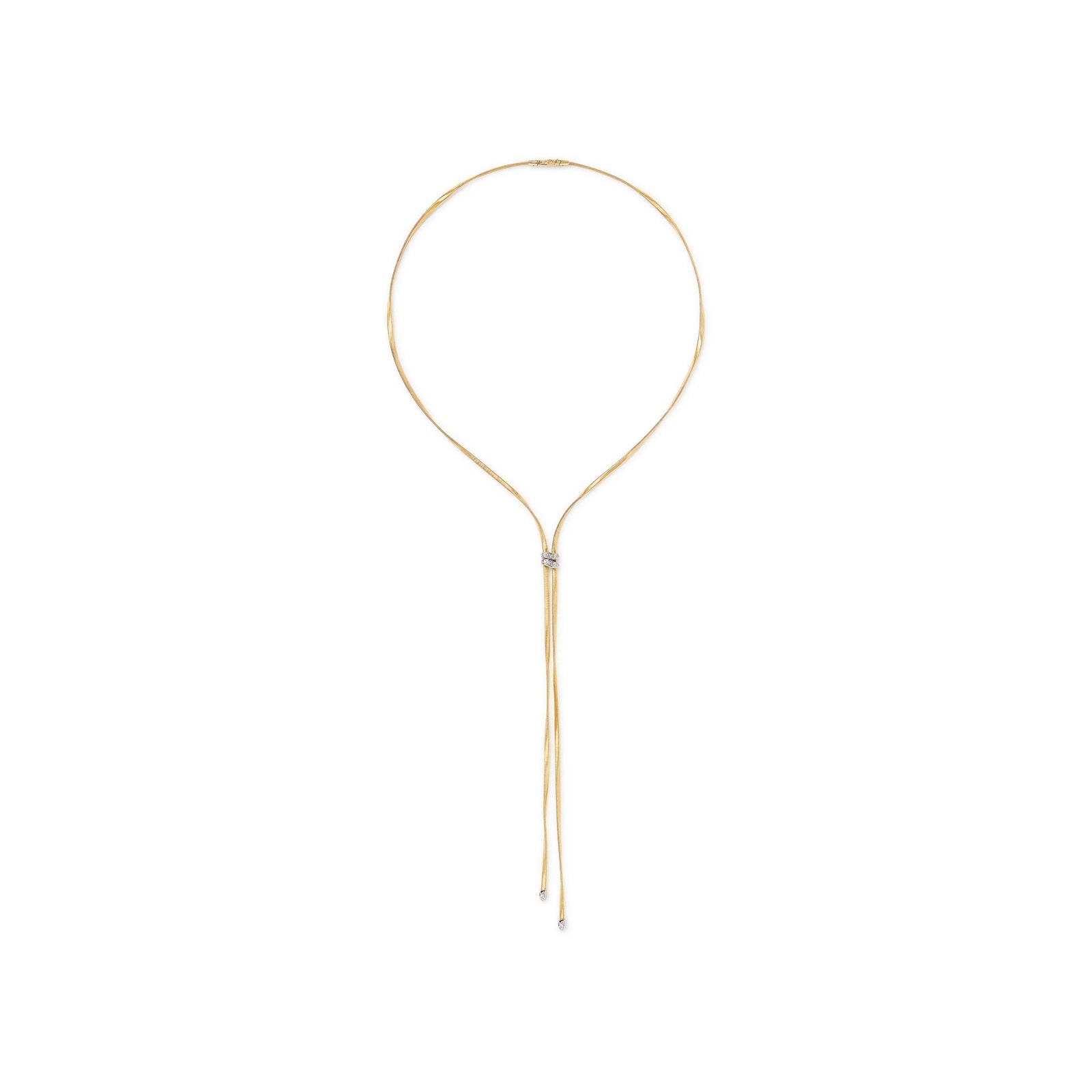
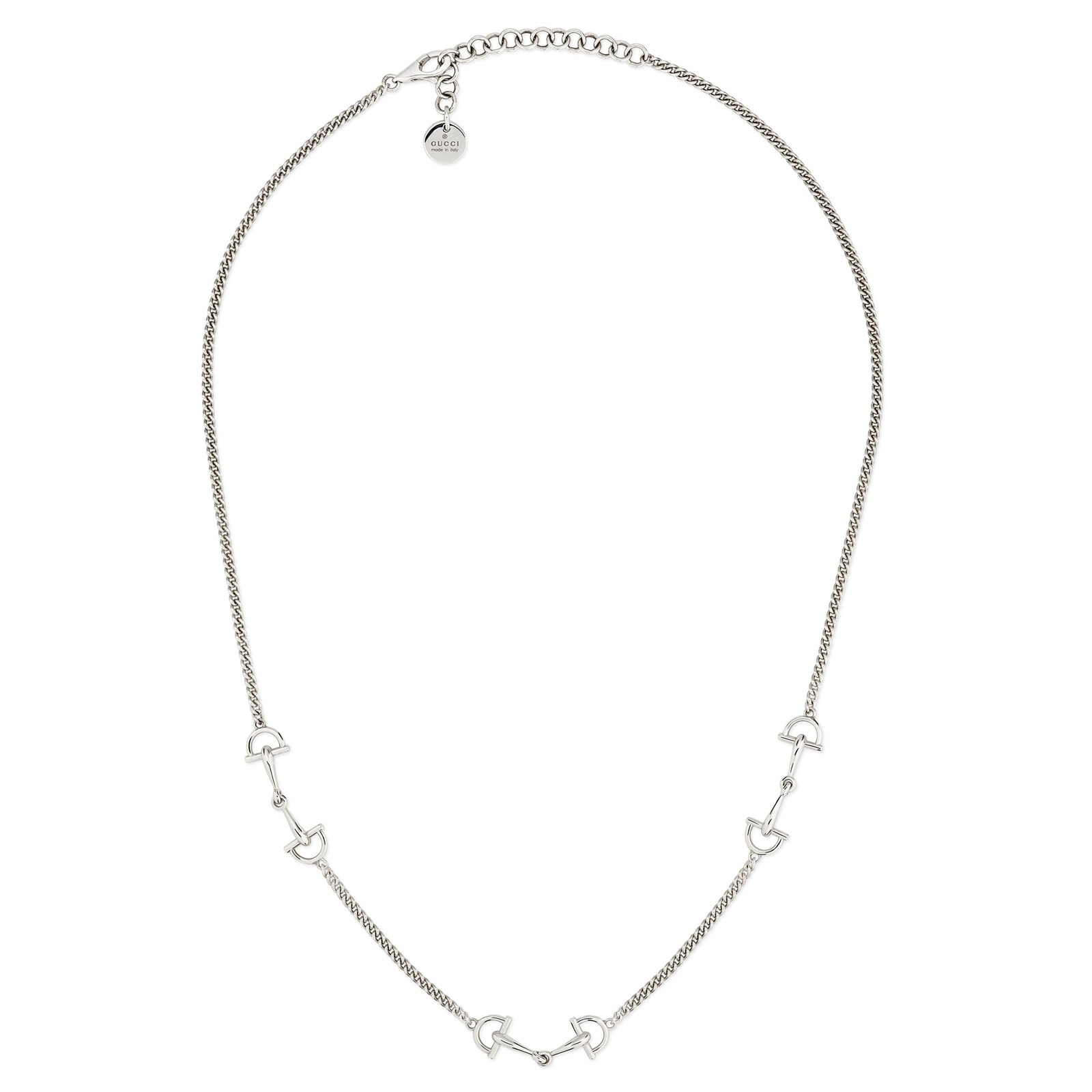
Independent gemological laboratories like GIA and IGI classify cut grade as the single greatest determinant of a diamond's optical performance, and in 2026 the pricing gap between Excellent and Very Good cut grades has widened to 12–18% at the wholesale level. Buyers who prioritize cut over carat consistently report higher satisfaction and better resale liquidity. For those seeking finished pieces rather than loose stones, reviewing the certified Necklaces showroom inventory offers a useful benchmark for how finished jewelry pricing compares to loose-stone economics in the current market.
Historically, the custom engagement ring market has tracked broader luxury goods inflation with a lag of roughly two quarters. In 2026, platinum spot prices hovering near $1,050–$1,100 per ounce and 18K gold near $2,400–$2,600 per ounce have pushed metal costs to roughly 8–12% of a typical $8,000–$15,000 custom ring budget—a meaningful shift from the 5–7% seen in 2019. Buyers commissioning rings in the $5,000–$10,000 range should budget accordingly.
The 4Cs, Sourcing & Pricing Benchmarks for Custom Diamond Engagement Rings
Compared to machine-pressed gold settings, hand-fabricated platinum mounts provide superior structural integrity but add $800–$2,500 in bench labor and material costs—a variable that must be factored into any 4Cs-based pricing model. The table below illustrates representative 2026 wholesale price tiers for round brilliant natural diamonds, GIA-certified, F–H color, VS1–VS2 clarity:
| Carat Tier | Wholesale Price Range (Natural, GIA) | Typical Retail (2.5x) | Lab-Grown Equivalent |
|---|---|---|---|
| 0.50 ct | $1,200 – $1,800 | $3,000 – $4,500 | $150 – $350 |
| 0.75 ct | $2,400 – $3,400 | $6,000 – $8,500 | $250 – $550 |
| 1.00 ct | $4,800 – $6,800 | $12,000 – $17,000 | $400 – $900 |
| 1.50 ct | $8,500 – $11,500 | $21,000 – $28,750 | $700 – $1,500 |
| 2.00 ct | $14,000 – $19,000 | $35,000 – $47,500 | $1,200 – $2,600 |
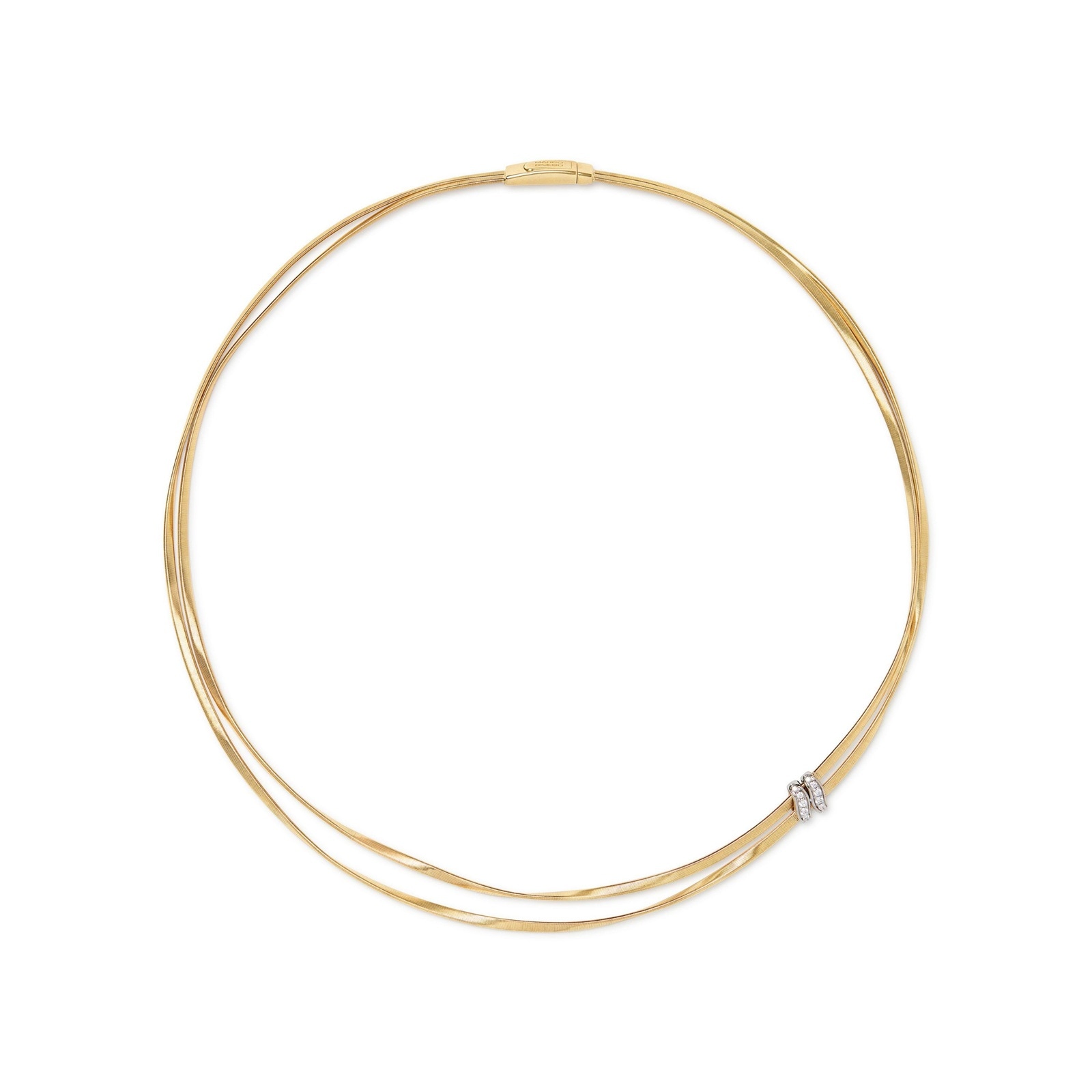
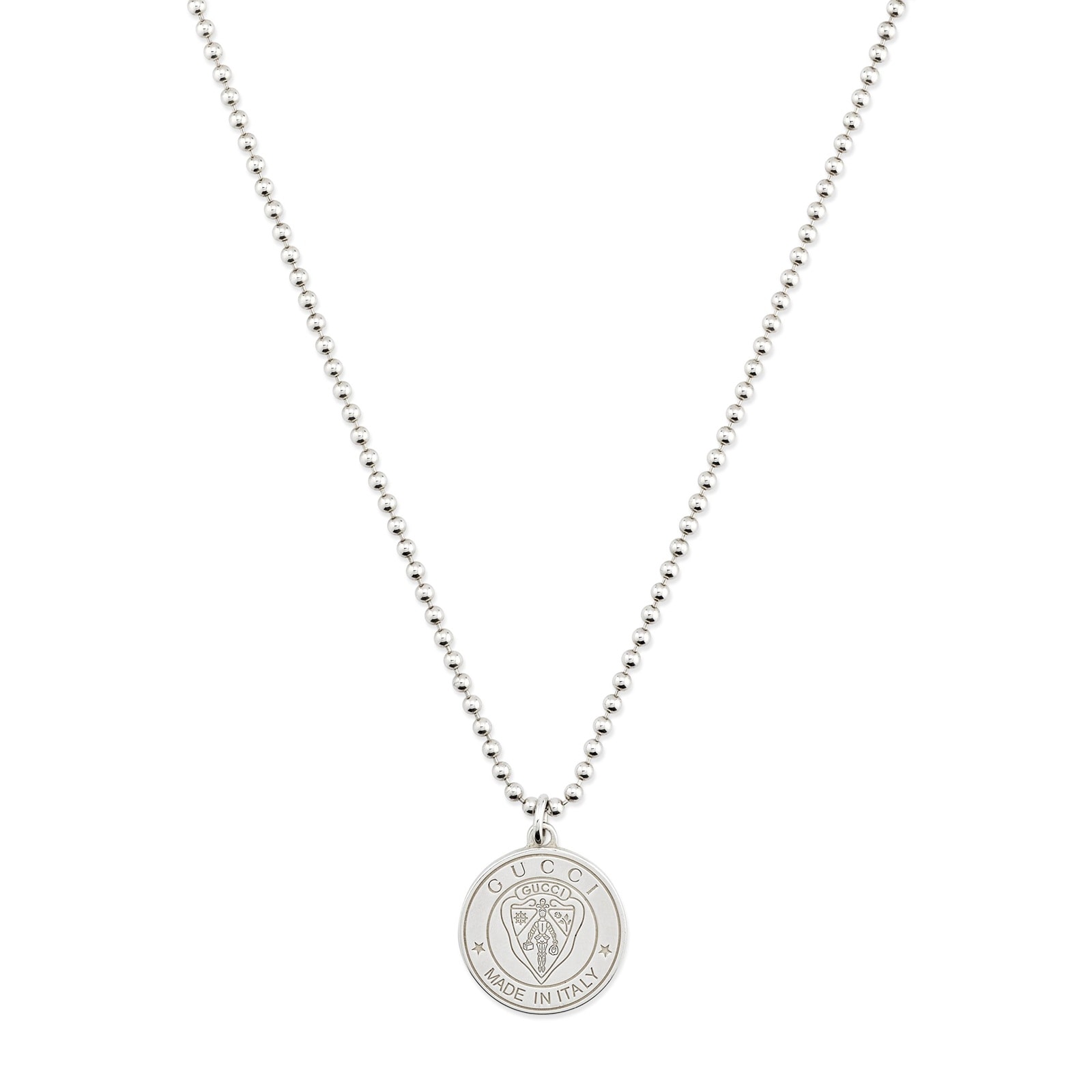
Wholesale diamond premiums typically range from 15% to 35% above Rapaport list, but this varies dramatically by shape and certification. Fancy shapes—oval, emerald, pear, and marquise—command 10–20% premiums over rounds at the wholesale level in 2026 due to supply constraints and rising demand. Buyers who explore our curated Necklaces collection will notice that fancy-shape stones are increasingly featured in finished pieces, reflecting this supply-demand dynamic.
Independent gemological laboratories like GIA and IGI classify clarity grades with strict tolerances, and in 2026 the price delta between VS2 and SI1 has compressed to 8–12% at wholesale—making SI1 stones with eye-clean characteristics an exceptional value proposition for custom rings. However, buyers must verify that SI1 inclusions are not located under the table, where they are most visible.
Metal weight calculations add another layer. A typical solitaire setting in platinum (950) weighs 4–6 grams; a halo or three-stone design may weigh 7–10 grams. At 2026 platinum prices, that translates to $150–$350 in raw metal per ring, before labor. In 18K gold, a comparable setting weighs 3–5 grams, costing $180–$320 in metal. These figures are frequently inflated in retail quotes—a red flag every buyer should recognize.
Premier Showroom Selection & Merchant Vetting for custom diamond engagement rings
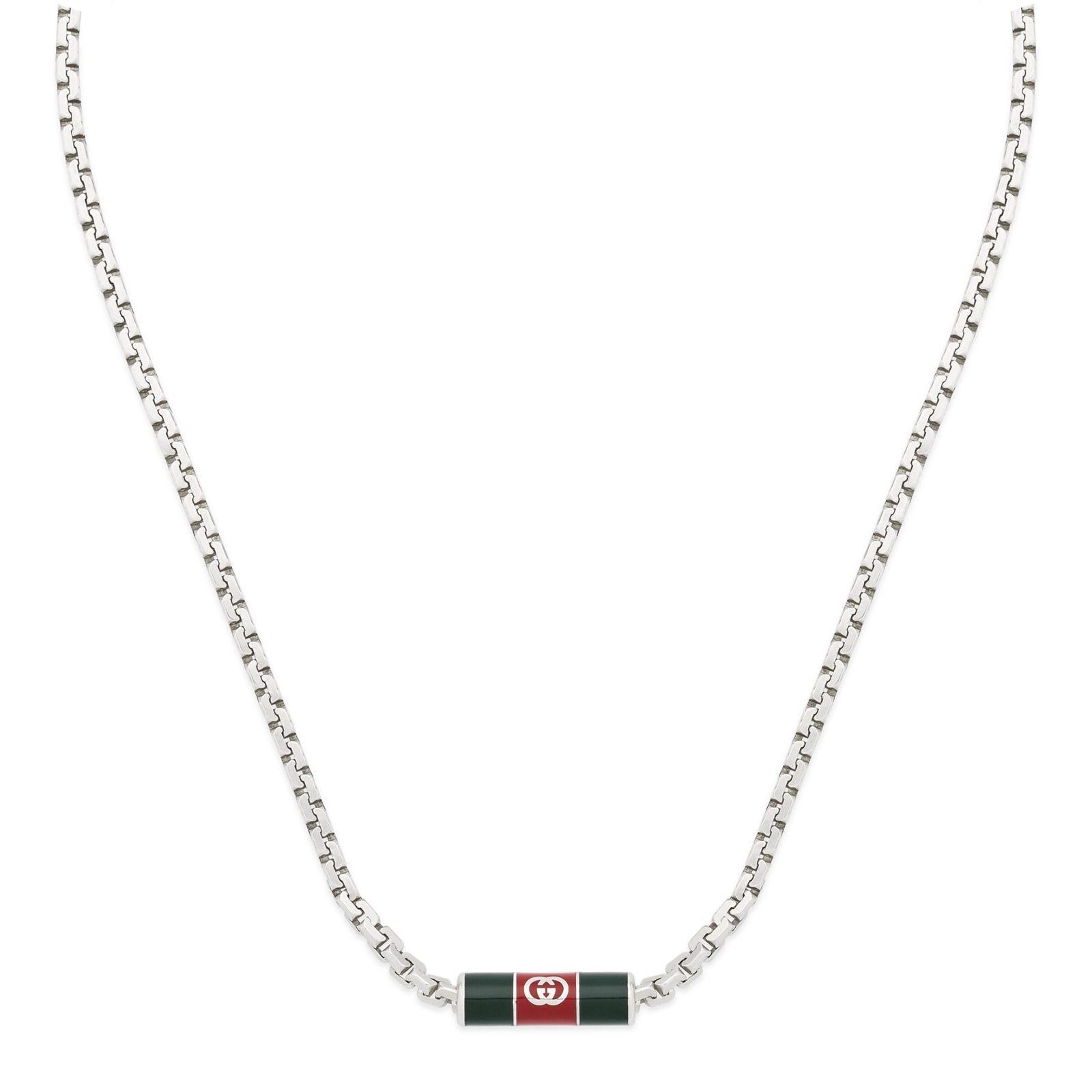
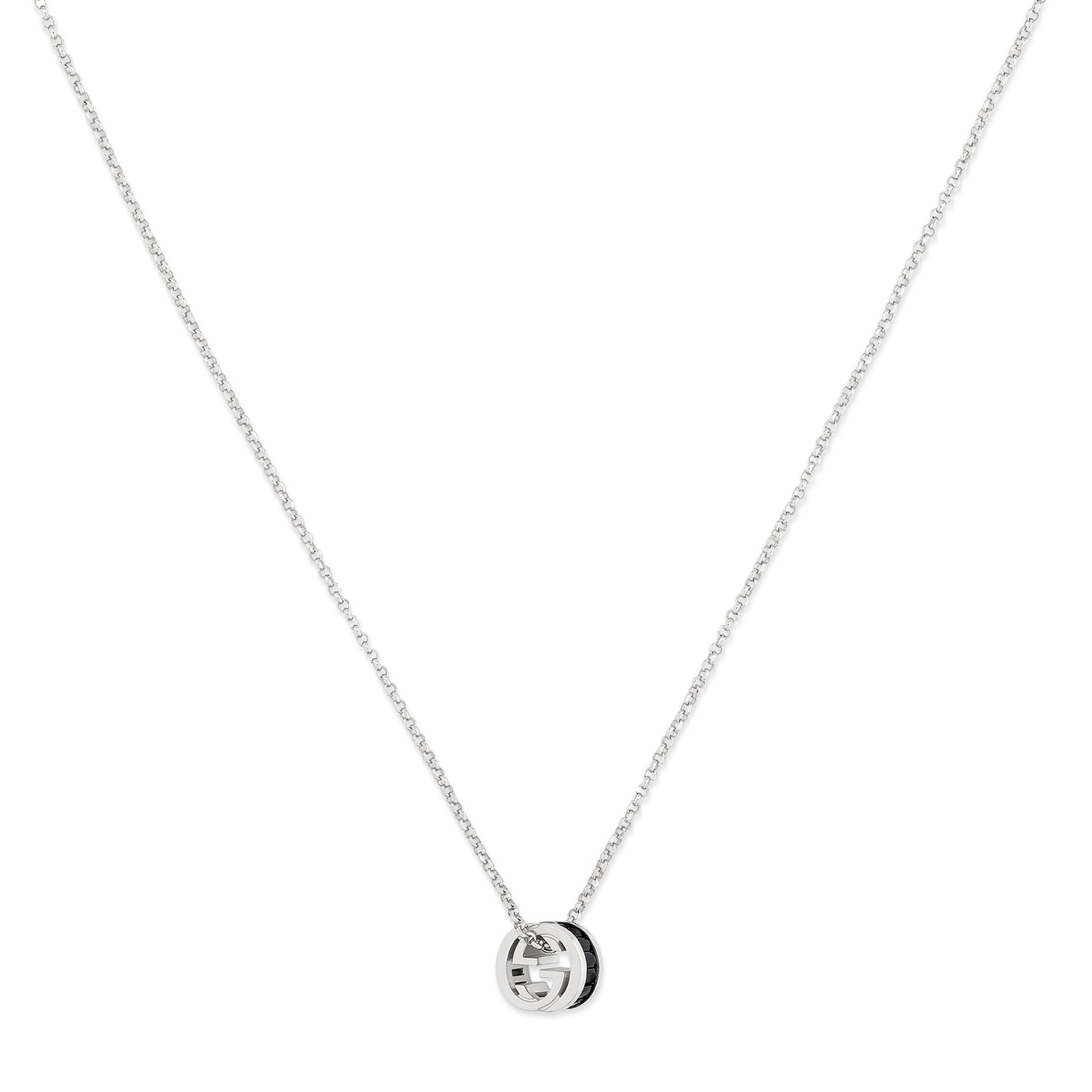
Verify the merchant's GIA or IGI credentials and request the original grading report—not a photocopy—before any deposit is placed on custom diamond engagement rings. In 2026, the most reputable showrooms in New York, Los Angeles, and Chicago maintain direct relationships with diamond cutters and can provide a verified Necklaces valuation report that documents the stone's provenance, grading, and fair market value.
Direct wholesale versus retail markups vary by corridor. In the Diamond District, a 1.00 ct GIA-certified F/VS2 round brilliant might wholesale at $5,200 and retail at $6,800–$7,500—a 30–45% markup. In a suburban mall jeweler, the same stone may retail at $12,000–$15,000, representing a 130–190% markup. This spread is the single most important number in your negotiation.
Showroom vetting protocols should include: (1) verifying the merchant's membership in the Jewelers Vigilance Committee or American Gem Society; (2) requesting three references from recent custom clients; (3) confirming the existence of a written return and upgrade policy; and (4) inspecting the bench area where the ring will be fabricated. A showroom that refuses any of these requests should be disqualified.
"The most common mistake we see is buyers accepting a verbal quote without a written breakdown of stone cost, metal cost, labor, and setting fees. Demand itemization—it is your right as a consumer." — Senior Gemologist, Diamond District Block
Custom Design, Bench Fabrication & Certification for custom diamond engagement rings
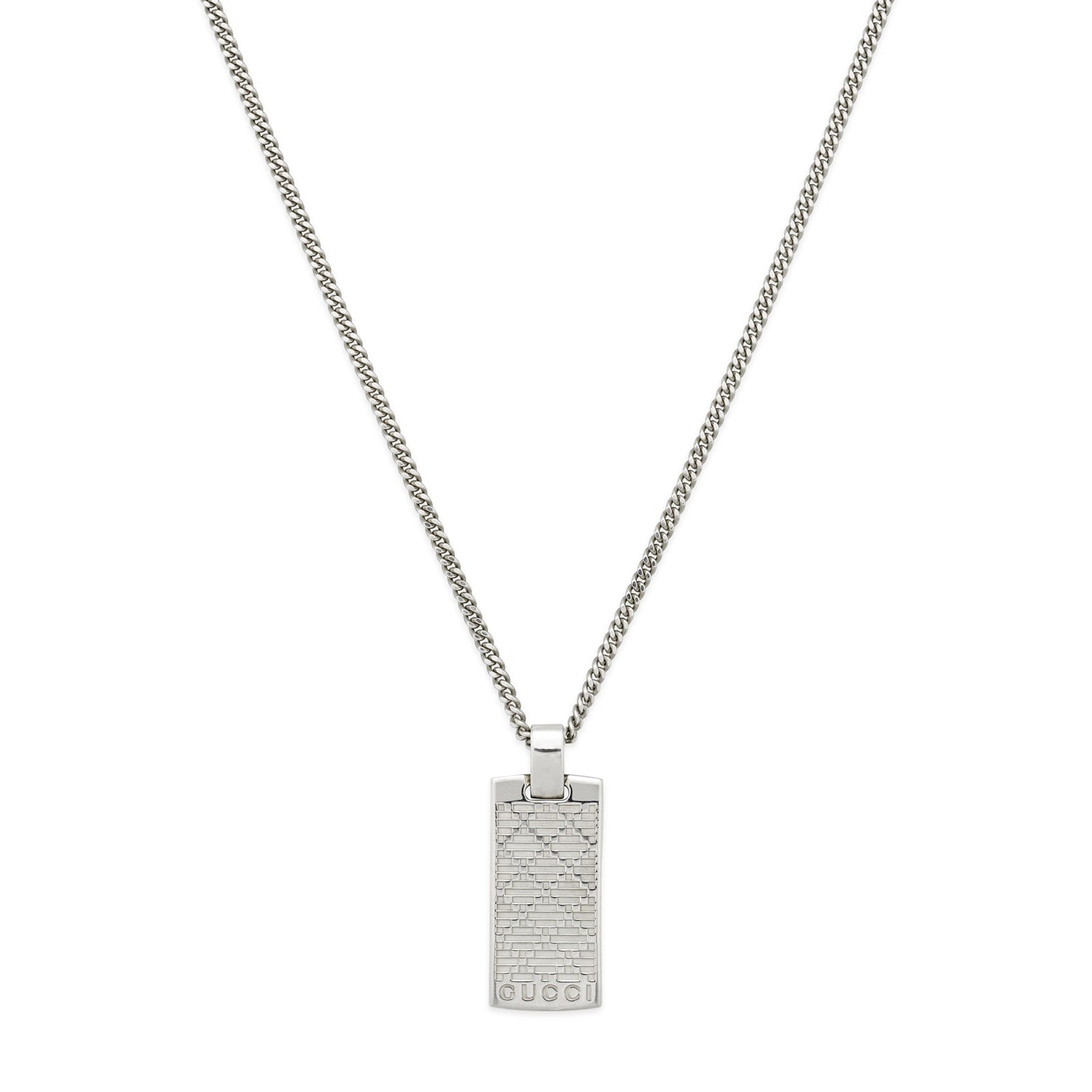
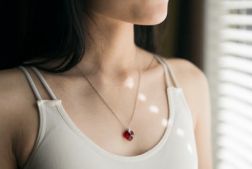
Always request the GIA or IGI report number and verify it on the laboratory's website before the stone is set—laser inscription on the girdle should match the certificate exactly. For a distinctive design reference, consider the handcrafted 2 CT Heart Shape Black Onyx Solitai pendant, which demonstrates how a certified center stone can anchor a custom piece with precise bench fabrication.
Certification verification follows a strict four-step process: (1) confirm the report number on the GIA or IGI website; (2) inspect the laser inscription under 10x magnification; (3) match the stone's measurements to the certificate; and (4) verify the plot diagram against the actual inclusion pattern. Any discrepancy is grounds for immediate rejection.
Metal alloy selection affects both durability and cost. Platinum 950 offers superior scratch resistance and hypoallergenic properties, but weighs 30–40% more than 18K gold. White gold requires rhodium plating every 12–18 months at $50–$100 per service. Palladium and titanium are niche alternatives with limited repair infrastructure. For custom diamond engagement rings, platinum remains the gold standard for heirloom-quality fabrication.
Setting Durability and Bench Fabrication Standards
Setting durability varies by style: prong settings expose the girdle but maximize light return; bezel settings protect the stone but