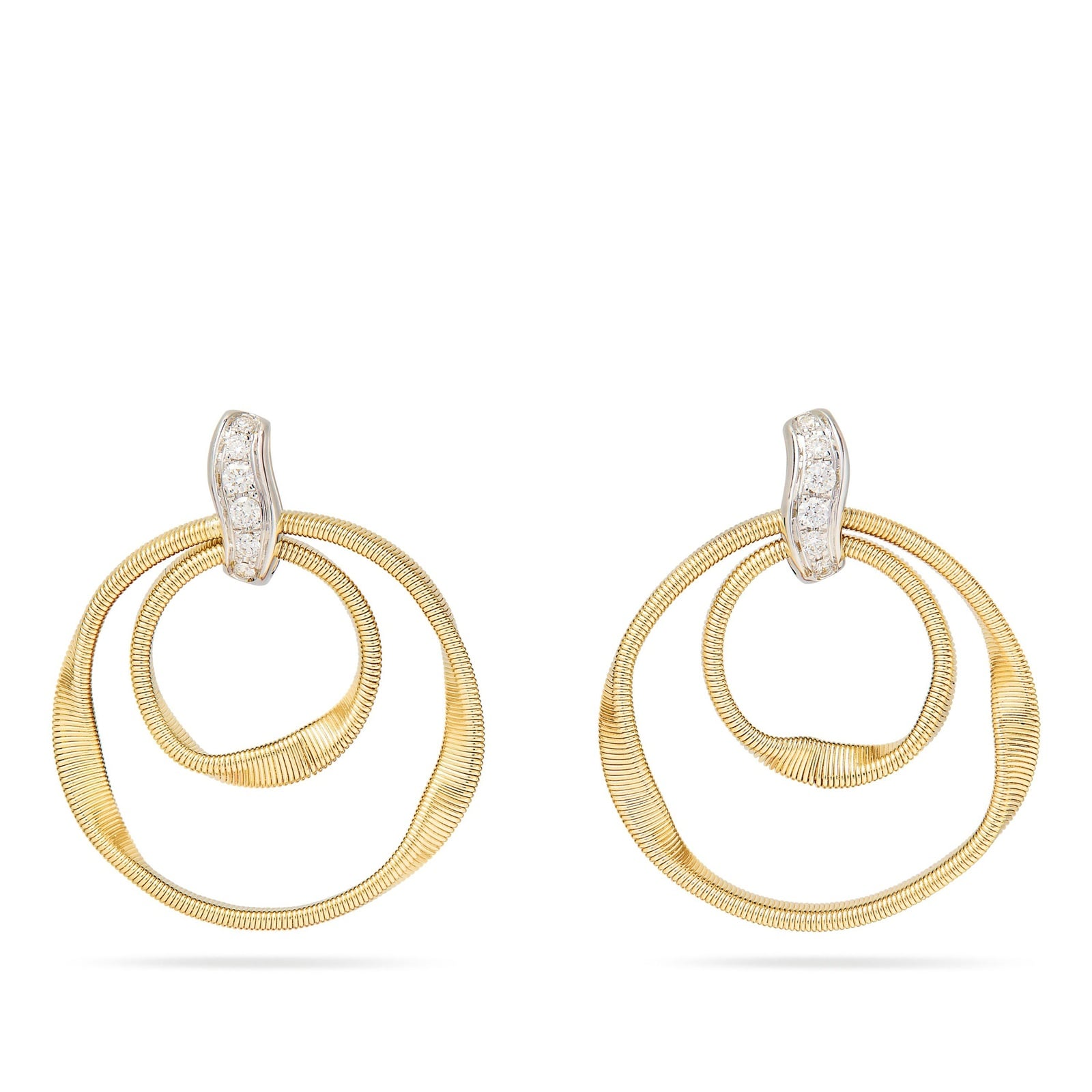
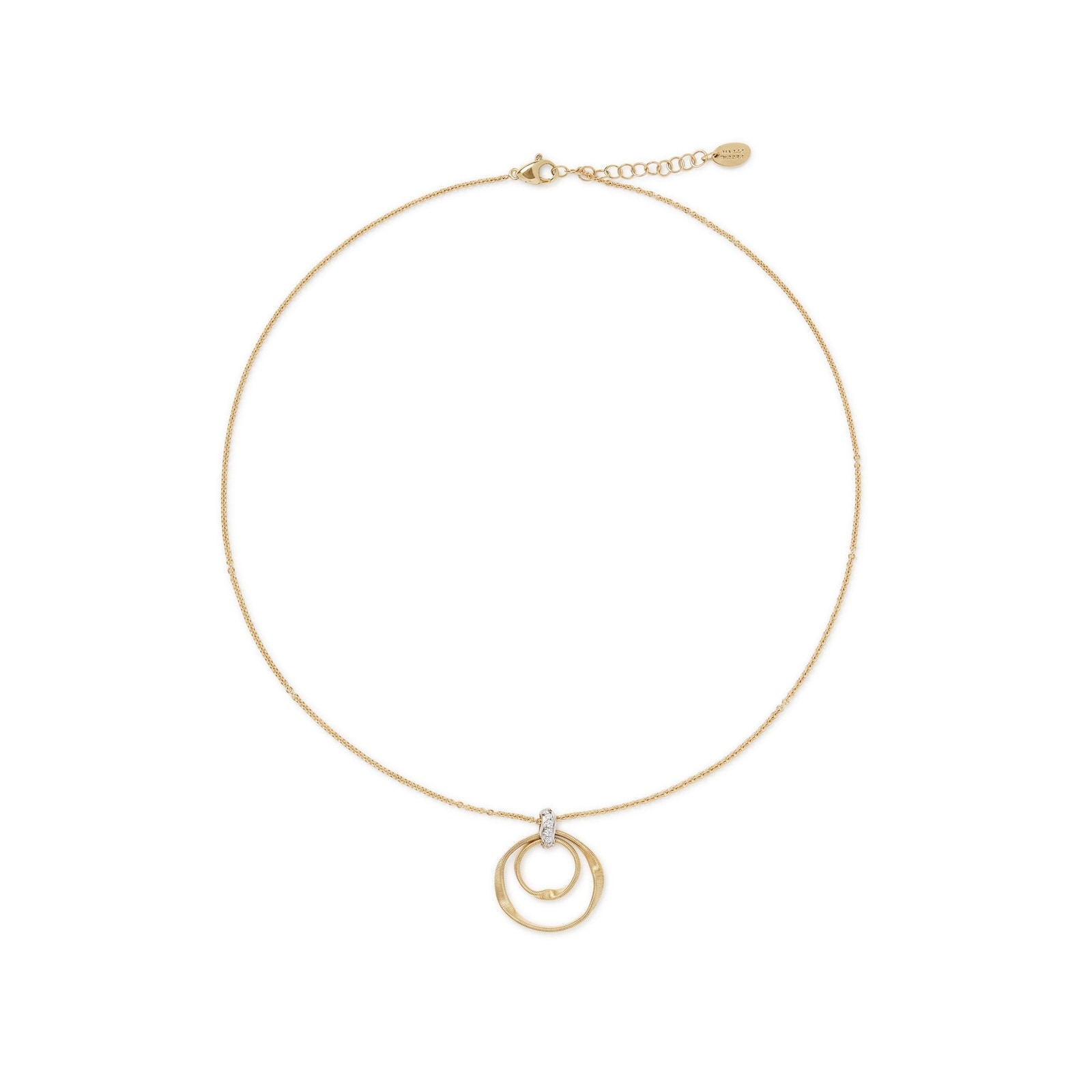
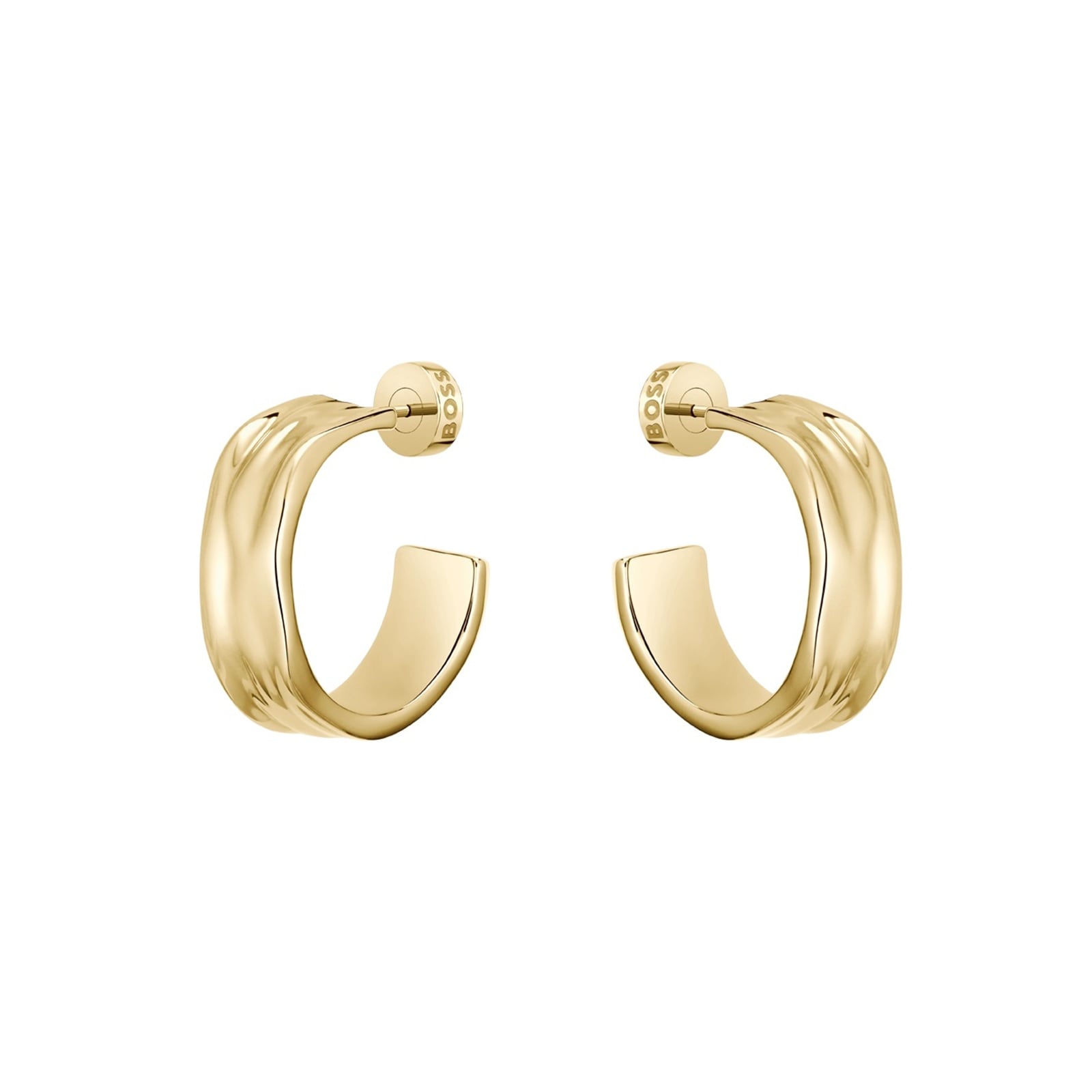
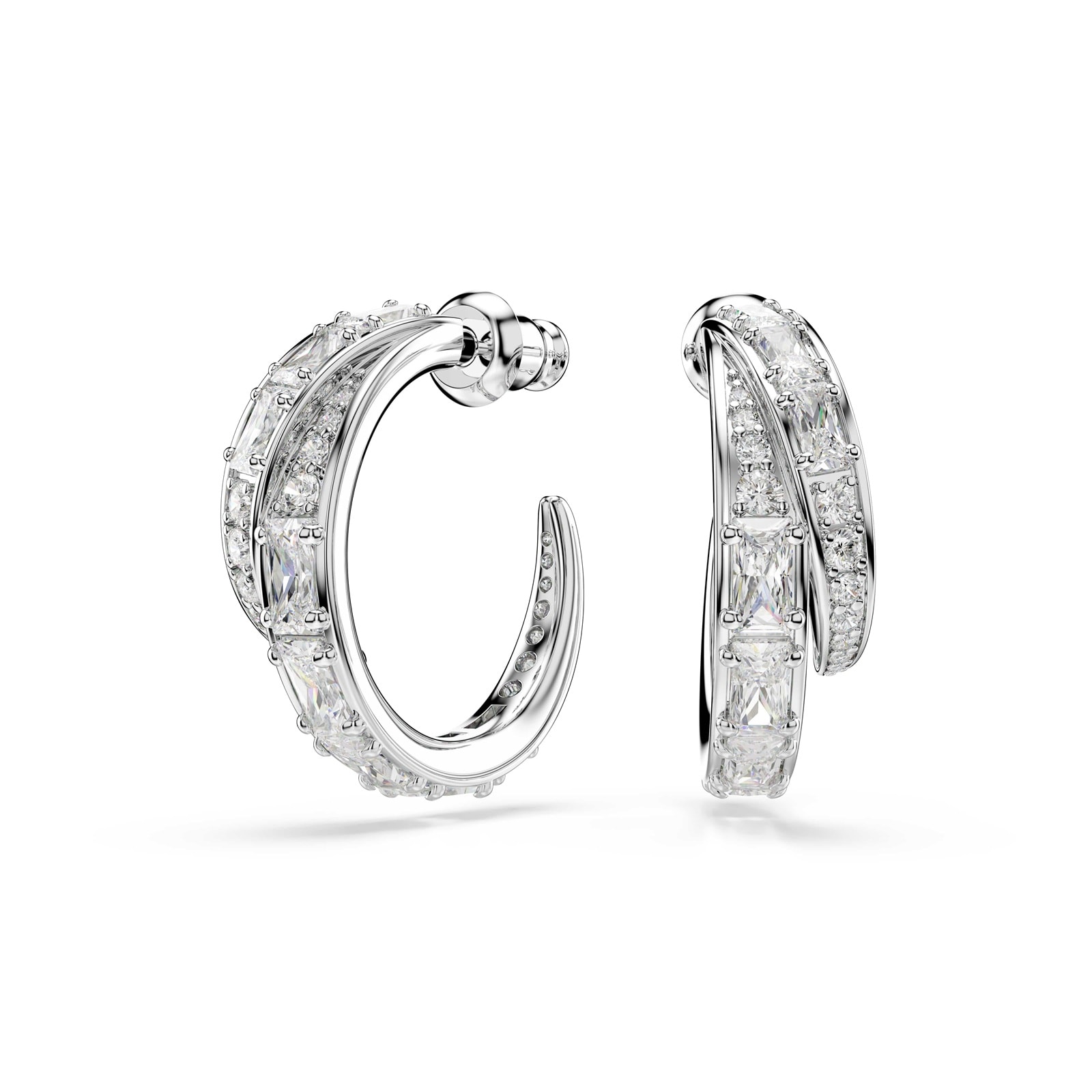
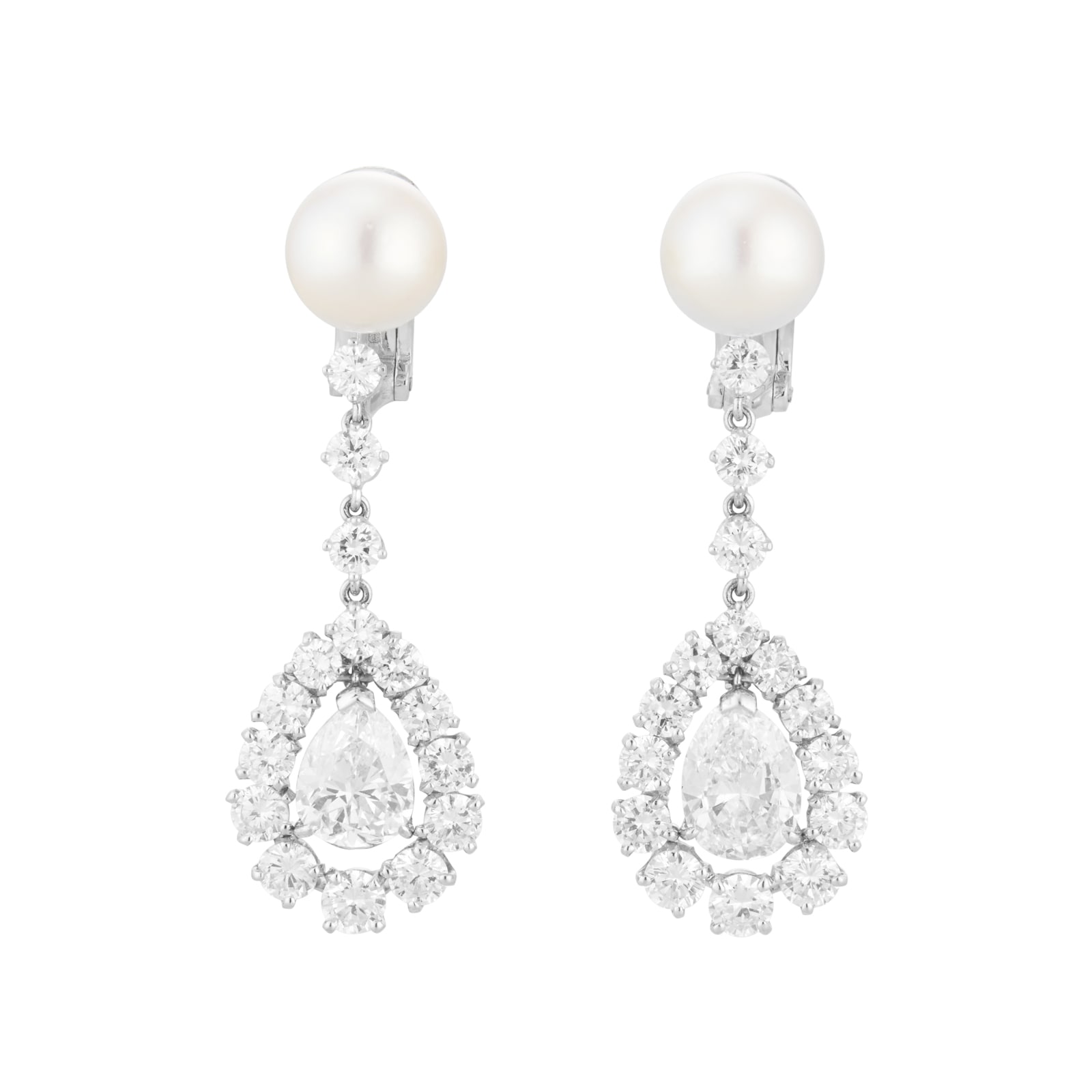
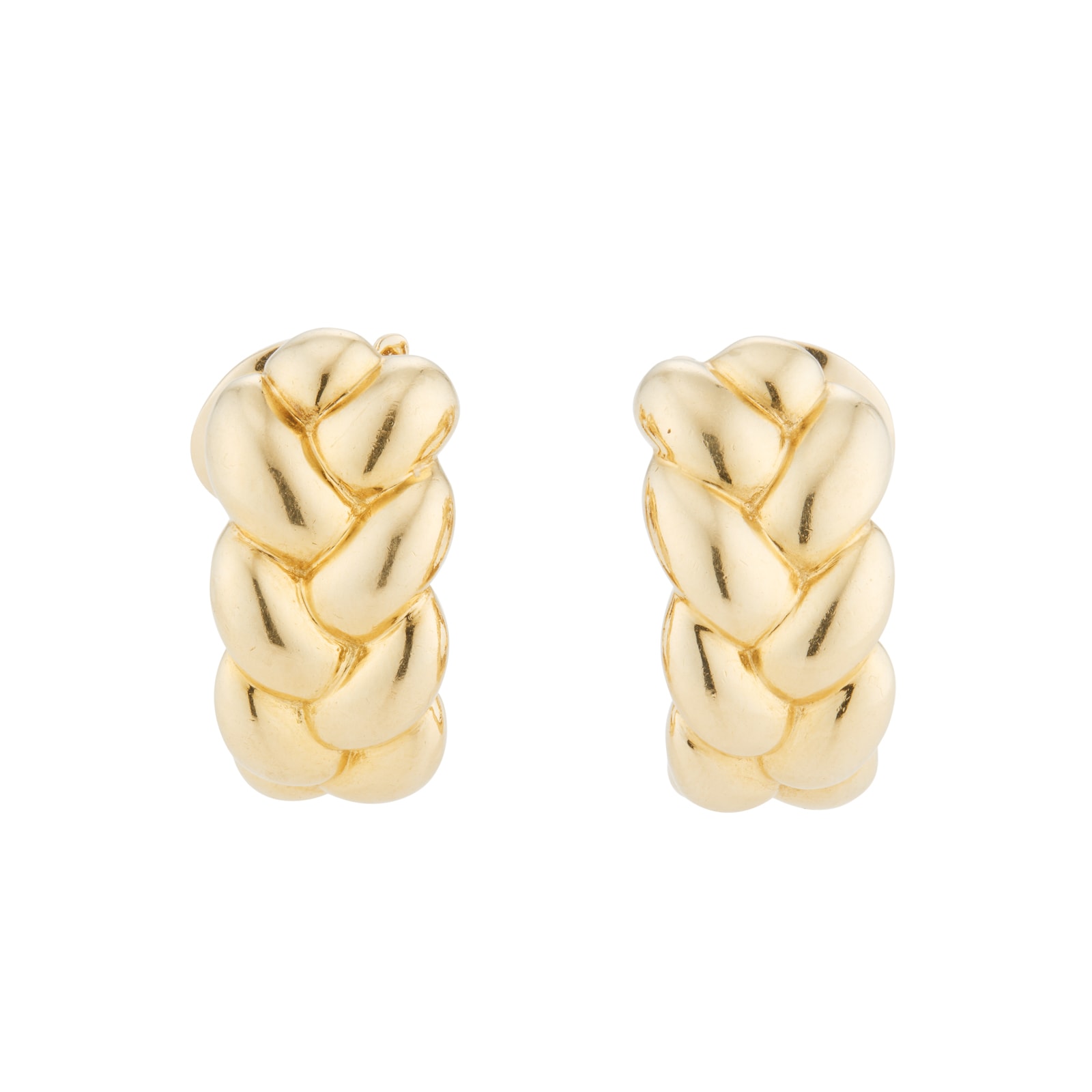
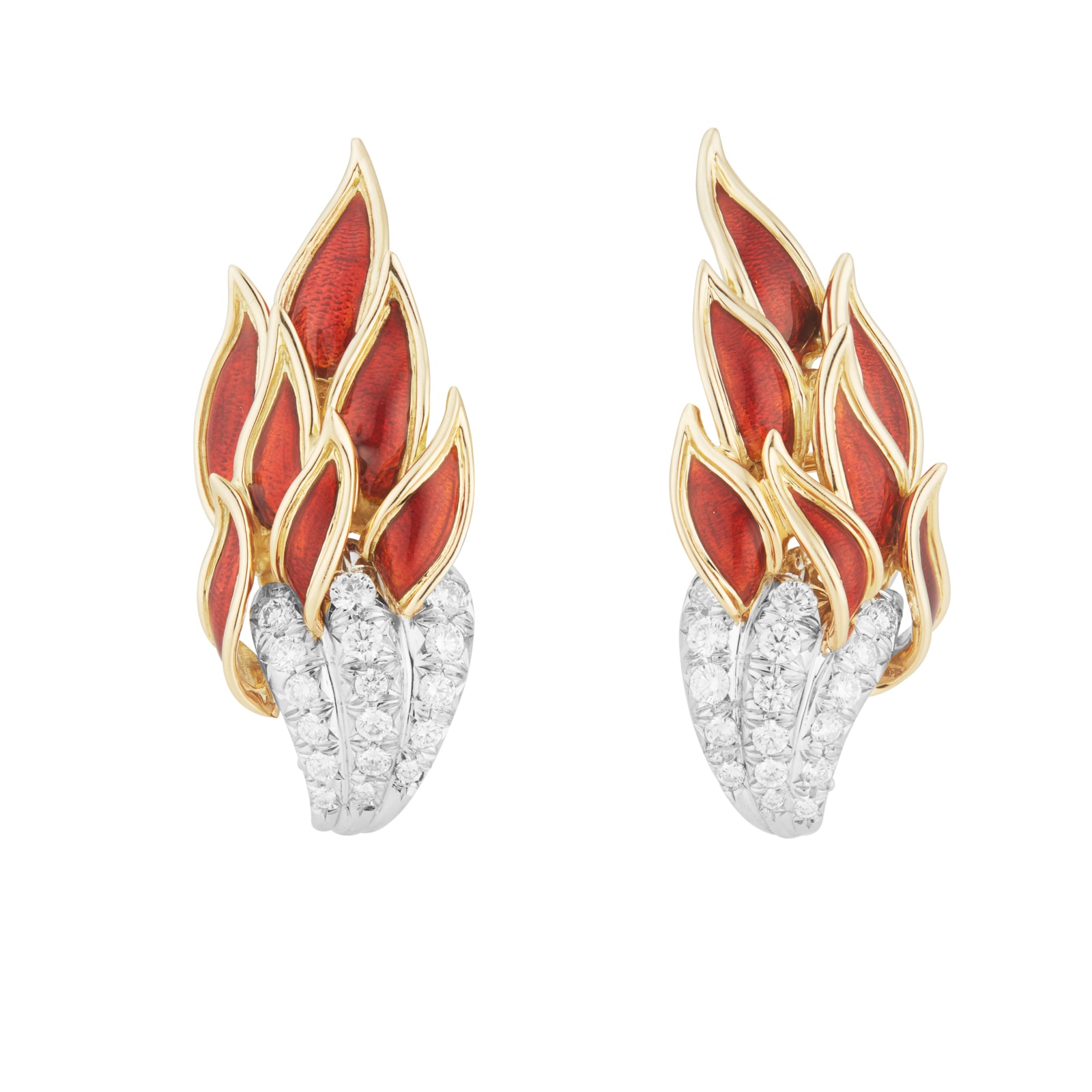
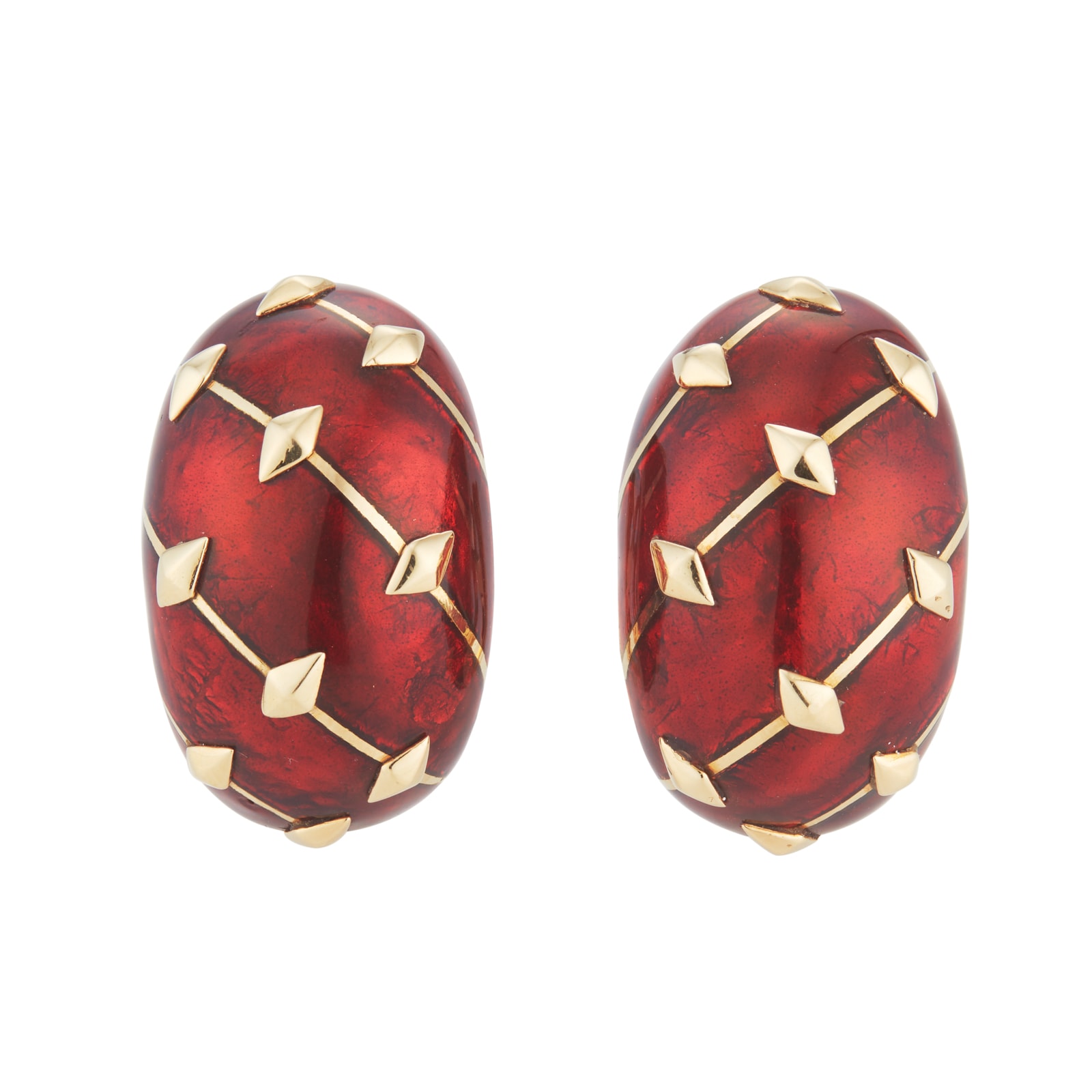
Across the premier jewelry corridors of New York, Los Angeles, and Chicago, the certified earrings market has undergone a seismic shift in transparency and consumer protection standards. As we enter 2026, the modern earrings buyer faces an unprecedented array of choices—from heritage maisons to digital-first wholesalers—yet the fundamental question remains: how do you separate a truly certified jeweler from a merely persuasive one? The answer lies in a rigorous, gemologist-grade vetting process that examines documentation, inventory provenance, and ethical business practices.
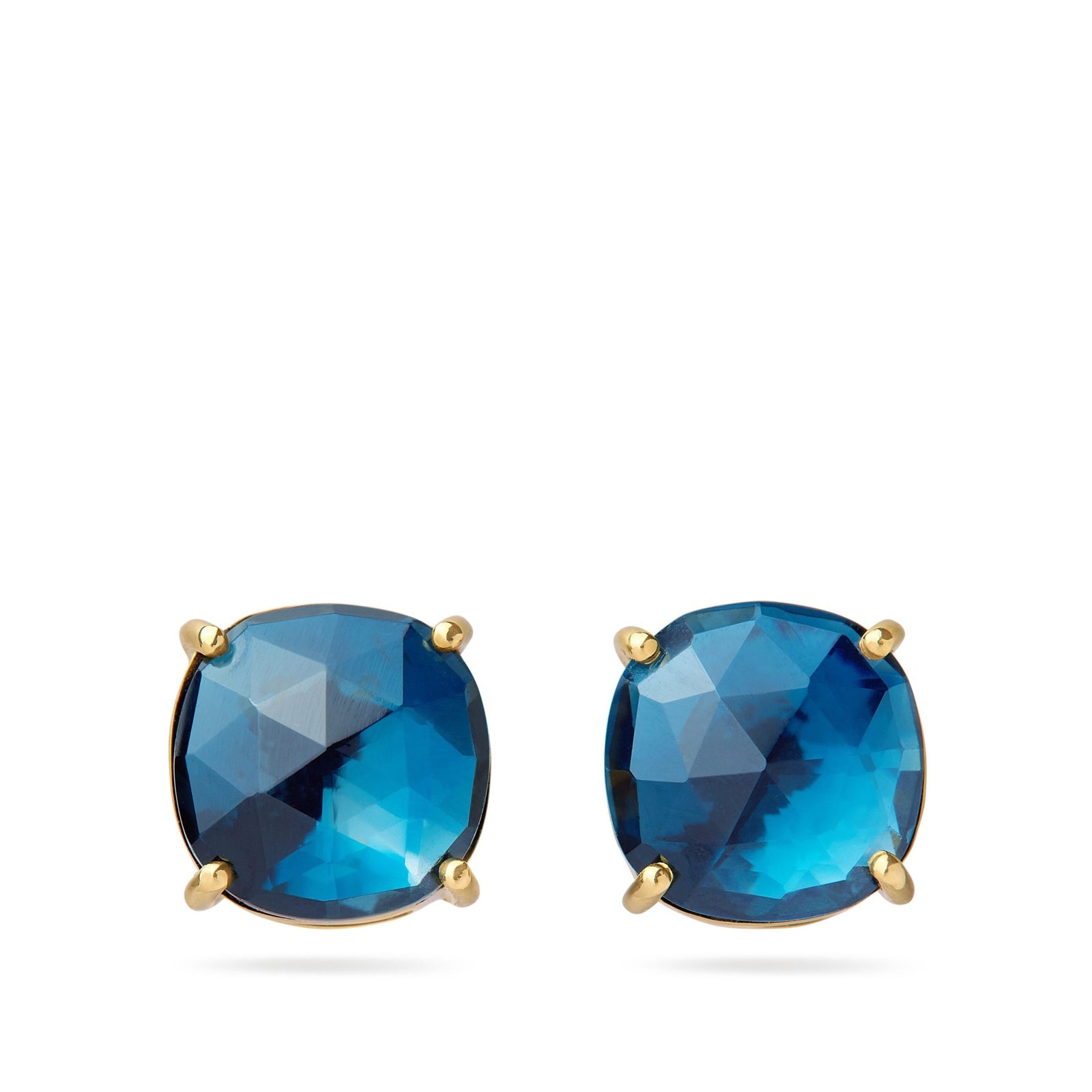
This guide, developed by master gemologists and senior diamond district analysts, provides a comprehensive checklist for evaluating any jeweler claiming to offer certified earrings. We will dissect the market landscape, analyze pricing benchmarks, and provide the exact protocols for verifying lab reports, inspecting laser inscriptions, and securing your investment. Whether you are acquiring a pair of flawless diamond studs or a bespoke platinum drop design, the principles outlined here will empower you to navigate the luxury earrings marketplace with confidence and precision. For exquisite artisan craftsmanship and certified stone settings, examine this handcrafted Bezel Set Diamond Tiny Stud Earring.
Decoding the 2026 Certified Earrings Market Landscape
Understanding the economic and historical forces shaping the certified earrings market is the first step toward making an informed purchase. The global fine jewelry market, valued at over $340 billion in 2025, continues to expand, with earrings representing a significant and growing segment, particularly among younger, self-purchasing consumers. This growth has been fueled by a surge in lab-grown diamond availability and a renewed appreciation for classic, investment-grade natural diamonds. However, this expansion has also brought a proliferation of retailers with varying levels of expertise and ethical commitment.
Historically, the diamond district in New York City—particularly the 47th Street corridor—has served as the wholesale epicenter for the United States, where jewelers and consumers alike could access competitive pricing and a vast array of certified stones. Today, that model has evolved into a hybrid landscape where physical showrooms coexist with sophisticated e-commerce platforms. The key differentiator for a reputable jeweler is not merely their location but their adherence to third-party certification and transparent sourcing. A jeweler offering a certified Earrings showroom inventory demonstrates a commitment to verifiable quality that transcends marketing claims.
The rise of lab-grown diamonds has further complicated the market. While offering identical optical properties at a fraction of the cost, lab-grown stones require the same rigorous certification standards as their natural counterparts. A certified jeweler must clearly distinguish between natural and lab-grown diamonds, providing separate grading reports for each. Furthermore, the ethical sourcing of natural diamonds—verified through the Kimberley Process and proprietary protocols like the De Beers Best Practice Principles—is a non-negotiable criterion for the discerning buyer. In 2026, the most trusted jewelers will readily provide documentation on a stone's journey from mine to market.
"The most common mistake we see is a buyer falling in love with a pair of earrings without ever asking to see the grading report. A beautiful setting can mask a poorly cut stone. Always demand the paper first." — Senior Gemologist, Diamond District Block
Benchmarking Earrings Value: The 4Cs, Sourcing, and Pricing Matrix
Wholesale diamond premiums for certified earrings typically range from 15% to 40% below traditional retail, depending on the carat weight, cut grade, and the jeweler's overhead structure. To navigate this landscape, you must understand how the 4Cs—cut, color, clarity, and carat—interact to determine value, particularly for matched pairs, which command a premium due to the difficulty of sourcing two stones with identical characteristics. The following table provides a comparative benchmark for round brilliant diamond stud earrings (per pair) in the 2026 market, based on GIA-certified natural diamonds with excellent cut grades.
| Carat Weight (per pair) | Color (GIA) | Clarity (GIA) | Estimated Wholesale Price (USD) | Estimated Retail Price (USD) |
|---|---|---|---|---|
| 0.50 ct | G | VS2 | $1,200 – $1,600 | $1,800 – $2,400 |
| 1.00 ct | F | VS1 | $3,800 – $4,800 | $5,500 – $7,000 |
| 1.50 ct | E | VVS2 | $7,500 – $9,500 | $10,500 – $13,000 |
| 2.00 ct | D | VVS1 | $14,000 – $18,000 | $20,000 – $25,000 |
Always inspect the pavilion depth and table percentage under a 10x loupe before finalizing any earrings purchase. A stone with a pavilion depth outside the 40.6% to 41.8% range may exhibit light leakage, diminishing brilliance. For earrings, the cut grade is arguably the most critical factor, as the wearer's face is the primary viewing angle. A poorly cut stone will appear dull, regardless of its color or clarity. When you explore our curated Earrings collection, you will notice that each piece is accompanied by a detailed cut analysis, ensuring that the stones meet the highest standards of light performance.
Compared to machine-pressed gold settings, hand-fabricated platinum mounts provide superior durability and security for high-value earrings. Platinum's density and tensile strength make it the preferred metal for securing large diamonds, while 18K gold offers a warmer aesthetic and greater malleability for intricate designs. The choice of metal also affects the overall price: platinum settings typically add 20-30% to the cost compared to 18K white gold. A certified jeweler will provide a clear breakdown of metal costs and alloy compositions, ensuring you understand exactly what you are paying for.
Premier Earrings Showroom Selection and Merchant Vetting Protocols
Across premier jewelry districts and wholesale exchanges, storefront overhead directly affects the final price of certified earrings. A showroom on a high-traffic street like 47th Street will naturally have higher operating costs than a by-appointment-only suite on the fifth floor. However, this does not necessarily mean the higher-priced jeweler offers superior quality. The key is to vet the merchant's reputation, certification credentials, and business practices. Start by requesting a verified Earrings valuation report for any piece you are considering. This report should be issued by a recognized independent appraiser and include a detailed description of the stones, metal, and setting, along with a replacement value for insurance purposes.
When vetting a showroom, inquire about their membership in professional organizations such as the American Gem Society (AGS) or the Jewelers of America (JA). These memberships require adherence to a code of ethics and ongoing education. Additionally, ask about their return policy and warranty. A reputable jeweler will offer a minimum 30-day return policy and a comprehensive warranty covering manufacturing defects. Be wary of jewelers who pressure you to sign a final sale agreement before you have had the opportunity to have the piece independently appraised.
Negotiation protocols in the wholesale market differ significantly from retail. In a wholesale exchange, prices are often quoted in "back" or "plus" terms—meaning a percentage above or below the Rapaport price list. For example, a quote of "-15" means 15% below the Rapaport price. Understanding these conventions can save you thousands of dollars. However, always ensure that the final invoice clearly states the carat weight, color, clarity, and certification number of each stone. A certified jeweler will never hesitate to provide this information in writing.
- Red Flag: A jeweler who cannot produce the original grading report for a certified stone. Photocopies or digital images are not sufficient for verification.
- Tip: Ask to see the laser inscription on the girdle of the diamond. The inscription should match the report number exactly.
- Red Flag: Prices that are significantly lower than the market average without a clear explanation (e.g., lab-grown vs. natural, or a lower cut grade).
- Tip: Request a written appraisal from an independent gemologist before finalizing the purchase.
Custom Earrings Fabrication, Certification, and Buyer Verification
Independent gemological laboratories like GIA and IGI classify cut grade as the single greatest determinant of a diamond's value, yet many ear