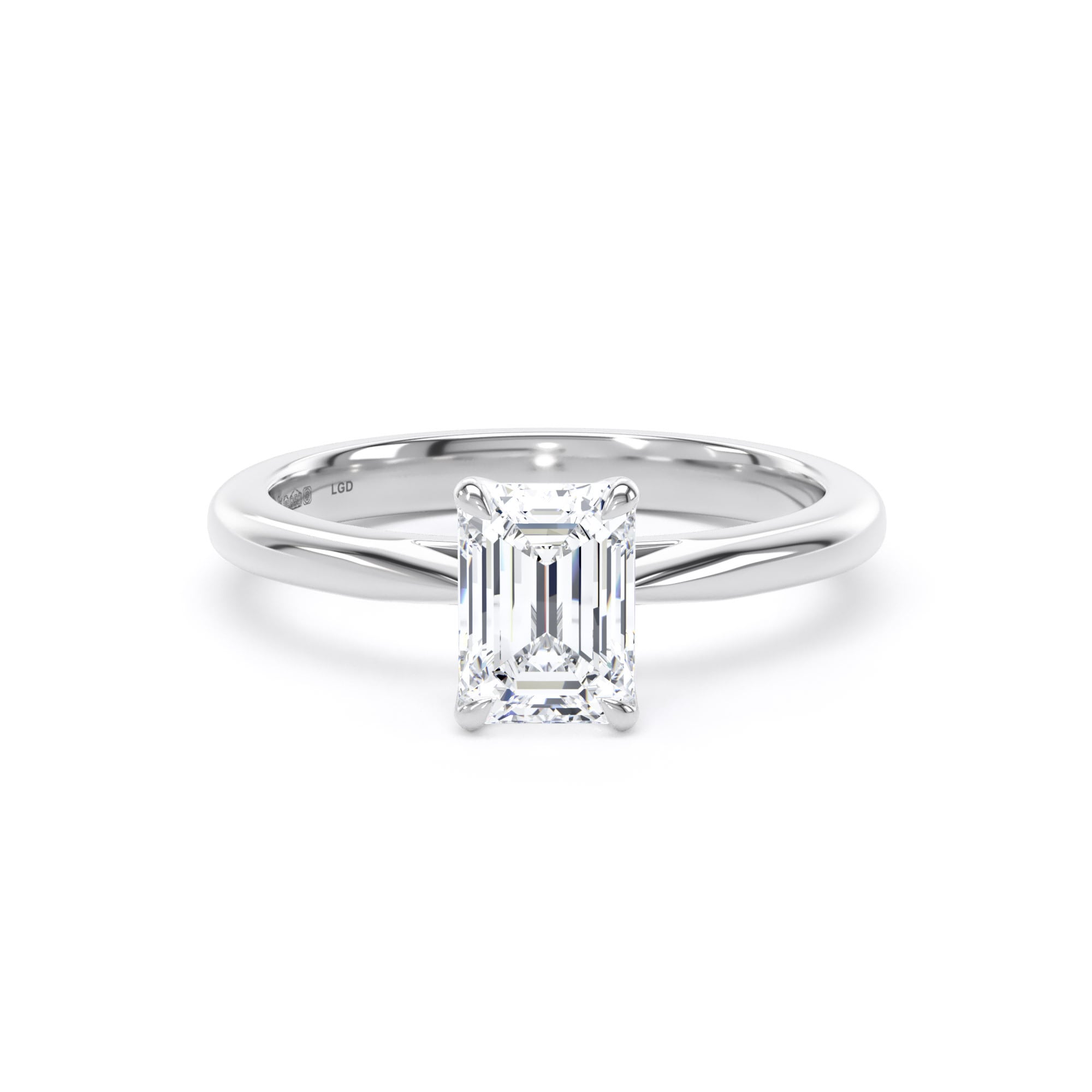
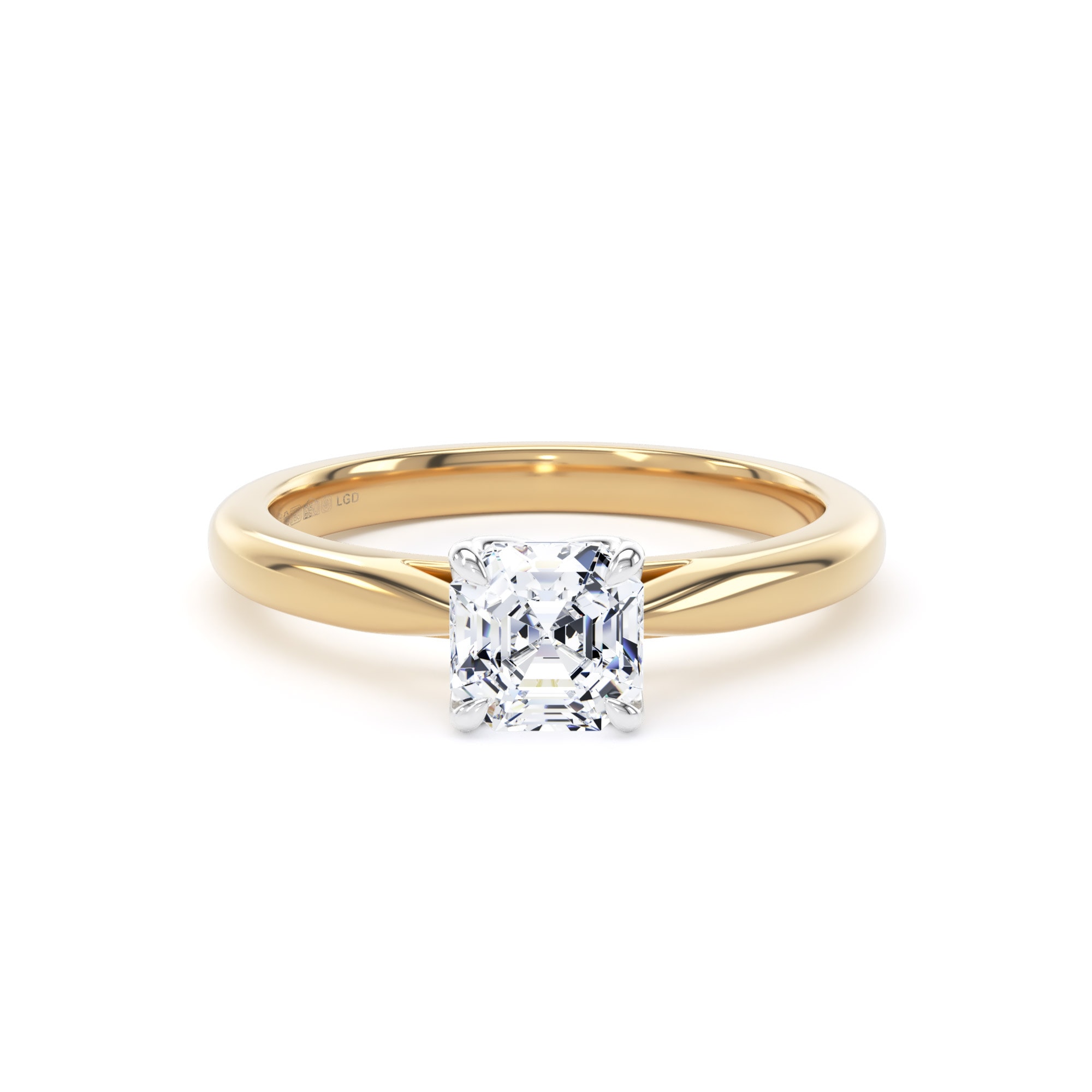
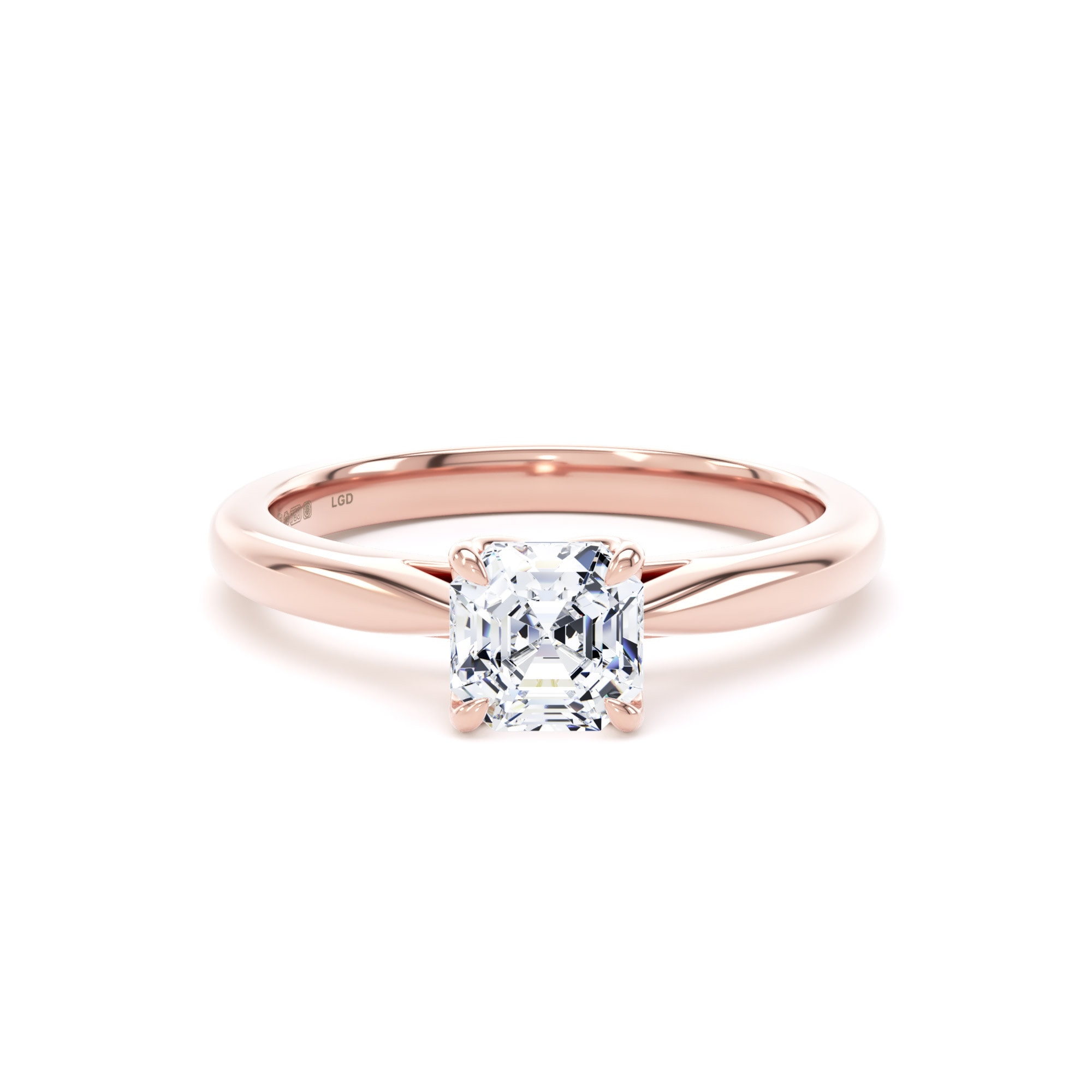
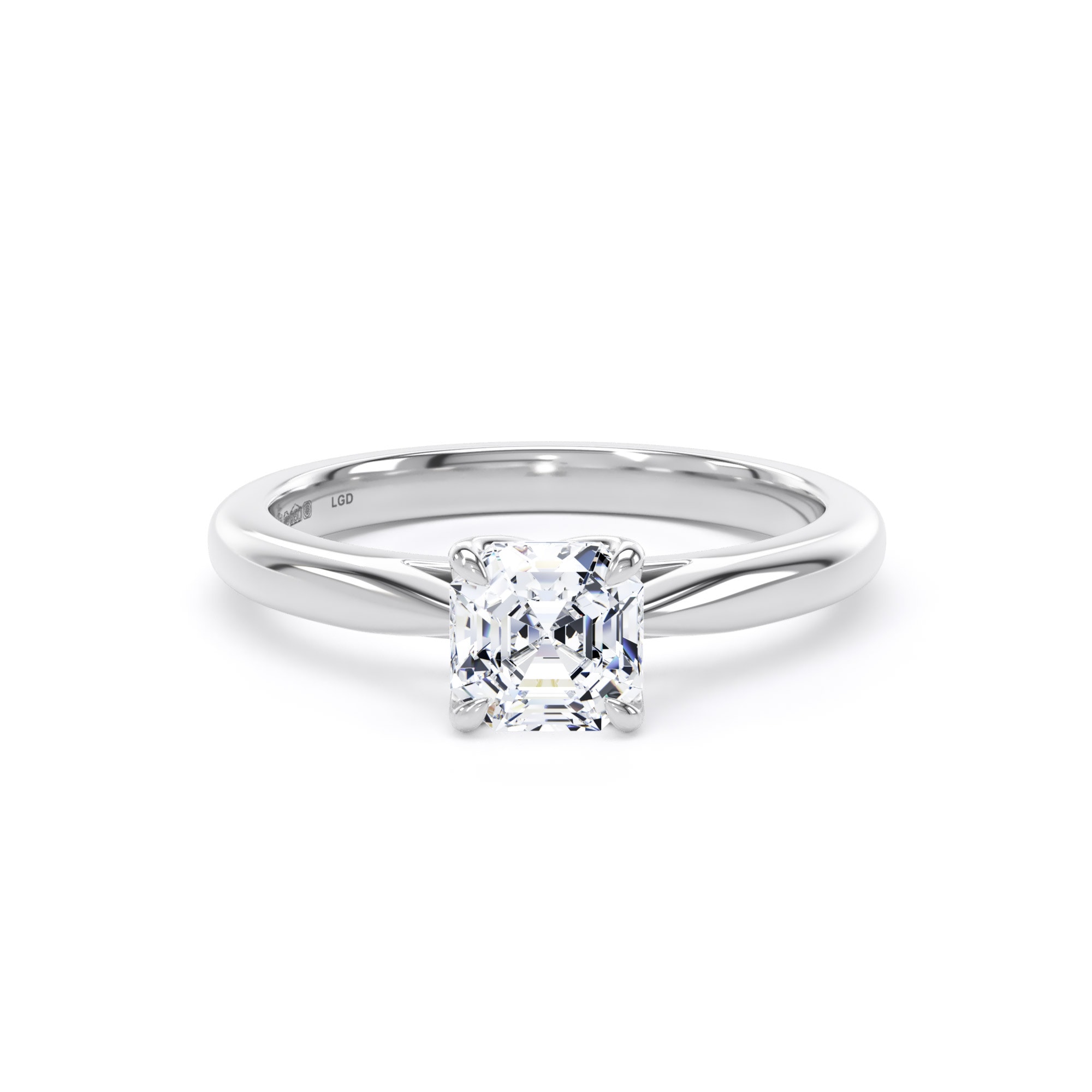
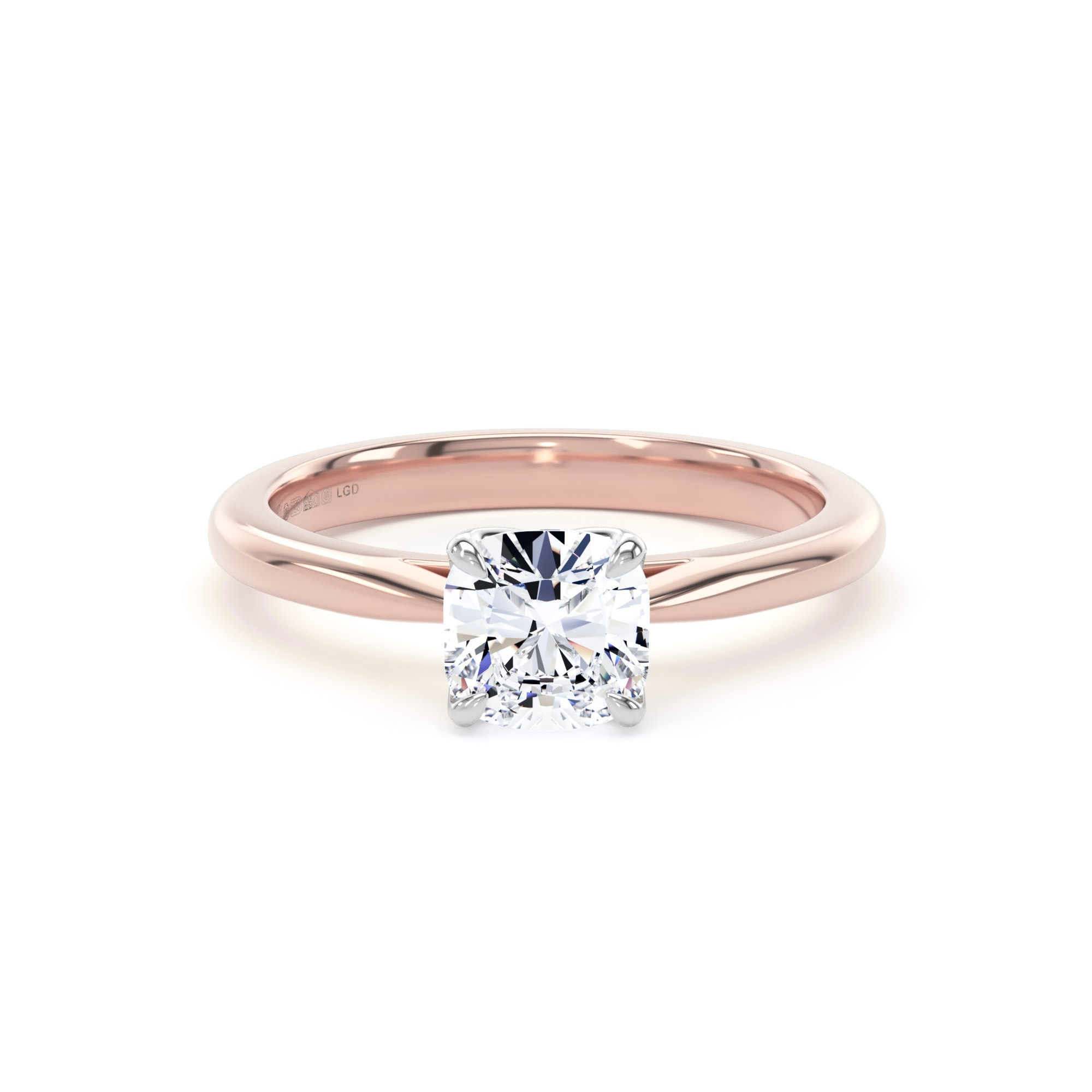
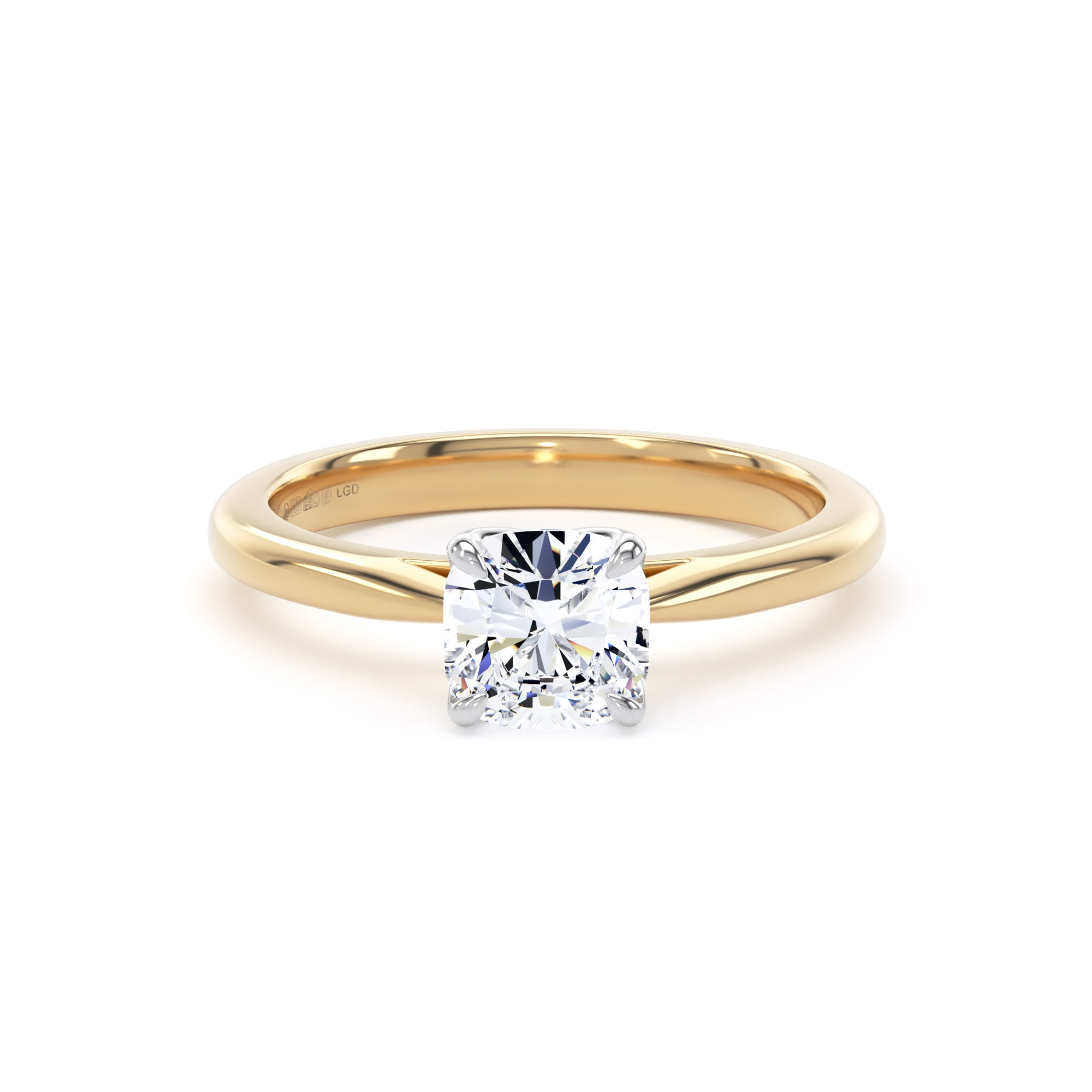
Certified rings jewelers operating in 2026 are separated from ordinary retailers by a single, non-negotiable standard: every diamond, gemstone, and precious-metal claim is backed by an independent laboratory report and a written return policy. This guide, written from the bench and the loupe, explains exactly how to verify that standard before you sign a sales slip. For exquisite artisan craftsmanship and certified stone settings, examine this handcrafted Certified 1.5 Carat Oval Lab Grown.
Certified Rings Market Landscape: Why 2026 Buyers Demand Independent Laboratory Proof
Approximately 73 percent of engagement ring purchases in the United States now involve a third-party grading report, up sharply from roughly half a decade ago as lab-grown diamonds and certified colored gemstones reshaped buyer expectations. The certified rings market has bifurcated into two tiers: showrooms that publish full grading documentation and those that rely on in-house "certificates" printed on their own letterhead. Only the former deserves the word certified.
Always ask a prospective jeweler to state, in writing, which laboratory graded the center stone and whether the report number is verifiable through the lab's public database. A GIA report number, for example, can be checked in seconds on the institute's online report-check service; an IGI number likewise resolves through the International Gemological Institute's verification portal. If the seller hesitates, or offers a "store appraisal" in place of a lab report, treat that as a disqualifying signal rather than a negotiating point.
Across premier jewelry districts and wholesale exchanges, storefront overhead directly affects the final price of a certified ring—but overhead is never a justification for missing documentation. Reputable merchants absorb the cost of grading because it protects both parties. When you review a certified Rings showroom inventory, confirm that each listing discloses the grading lab, report number, carat weight, color, clarity, and cut grade before you request a viewing appointment.
The economics are straightforward. A certified ring carries a documented identity; an uncertified ring carries only a salesperson's opinion. In a resale or insurance scenario, that difference can translate into thousands of dollars of disputed value. Buyers who insist on laboratory proof at the point of sale consistently report smoother claims, faster appraisals, and stronger negotiating leverage.
Certified Rings Pricing Benchmarks: The 4Cs Matrix, Carat Tiers, and Cut Tolerances
Wholesale-to-retail spreads on certified diamonds typically range from 15 to 35 percent depending on cut grade, fluorescence, and the merchant's inventory turnover, which is why identical GIA specifications can differ by hundreds of dollars between two showrooms. The table below reflects typical 2026 national benchmarks for round brilliant certified diamonds in a solitaire setting; fancy shapes such as oval and emerald cuts generally price 10 to 20 percent below round brilliants at equivalent grades.
| Carat Tier | Color / Clarity | Cut Grade | Typical Certified Retail Range (USD) |
|---|---|---|---|
| 0.50 ct | G / VS2 | Excellent | $1,800 – $2,600 |
| 0.75 ct | G / VS2 | Excellent | $3,200 – $4,600 |
| 1.00 ct | G / VS2 | Excellent | $5,800 – $8,200 |
| 1.50 ct | G / VS2 | Excellent | $11,500 – $16,000 |
| 2.00 ct | G / VS2 | Excellent | $19,000 – $27,500 |
Independent gemological laboratories like GIA and IGI classify cut grade as the single greatest determinant of a certified diamond's light performance and, consequently, its price resilience. A diamond graded Very Good may cost 10 to 15 percent less than an Excellent cut of identical color and clarity, yet it will return noticeably less brilliance in a showroom comparison. For rings intended as heirlooms, never trade cut grade for carat weight.
Compare the certificate's measurements against the stone itself before discussing price. Table percentage between 54 and 57 percent, crown angle between 34 and 35 degrees, and pavilion depth between 42.5 and 43.5 percent are the tolerances that separate a truly excellent round brilliant from a merely acceptable one. When you explore our curated Rings collection, use these figures as your filter: a merchant who can explain them fluently is a merchant who understands the product they sell.
Certified colored gemstone rings—sapphire, ruby, emerald—require a separate grading logic. Origin, treatment disclosure, and clarity enhancement must appear on the report; an unheated Ceylon sapphire with a documented origin commands a substantial premium over a heated stone of identical color. Lab-grown diamonds, meanwhile, are certified on the same 4Cs scale but trade at a fraction of natural prices, so confirm the growth method (HPHT or CVD) is stated on the report before comparing quotes.
Certified Rings Showroom Vetting: Wholesale Versus Retail Markups and Negotiation Protocols
Direct wholesale exchanges and appointment-only showrooms generally operate on thinner margins than mall-chain jewelers, but the gap is smaller than marketing suggests. A certified 1-carat G/VS2 ring that wholesales near $5,000 may retail at $7,500 in a high-rent corridor—a 50 percent markup that reflects overhead, not gemological superiority. Ask each merchant to separate the stone price from the setting price in writing; bundled quotes obscure the true margin and make comparison shopping impossible.
Vetting a showroom begins before you enter it. Request the merchant's return policy, warranty terms, and appraisal documentation in advance; a jeweler confident in their certification will send these without friction. Confirm whether the business is a member of a recognized trade organization and whether they hold a physical address with a verifiable storefront—pop-up operations with mail-forwarding addresses are a recurring source of consumer complaints.
During the visit, request a verified Rings valuation report that matches the grading certificate's specifications line for line. Discrepancies between an appraisal and a lab report—inflated color, clarity, or replacement value—are a classic red flag. The appraisal should state the grading laboratory, report number, and the basis of valuation, and it should be issued by a credentialed independent appraiser, not the selling jeweler alone.
Negotiation protocols differ by channel. In wholesale exchanges, cash or wire payment often unlocks a 3 to 7 percent discount; in retail showrooms, ask for the setting to be included at no charge or for complimentary sizing and prong retipping. Never accept a verbal promise of certification—require the physical report or a verified digital copy at the time of deposit. A reputable merchant will also disclose whether the ring is new, estate, or previously owned, and will document that status on the receipt.
Insider rule: if a jeweler cannot show you the GIA or IGI report number before you ask for it, the certification claim is marketing, not gemology.
Certified Rings Custom Design, Bench Fabrication, and Certificate Verification
Compared to machine-pressed gold settings, hand-fabricated platinum mounts provide superior prong durability and a tighter stone seat, which matters enormously for rings worn daily. Platinum's density and 95 percent purity (typically Pt950) make it the preferred alloy for certified center stones above one carat; 18K gold, at 75 percent purity, offers warmer color and easier resizing. Ask which alloy the bench will use and whether the hallmark—Pt950, 18K, or 750—will be stamped inside the shank.
Custom design introduces a verification step many buyers overlook: the certificate must follow the stone into the finished ring. Before the stone is set, photograph the laser inscription on the girdle and record the report number; after setting, confirm the inscription is still legible under a 10x loupe. A jeweler who resists pre-setting documentation is a jeweler who cannot guarantee the stone you paid for is the stone you receive.
Step-by-step verification protocol for any certified rings purchase:
- Verify the report number directly on the grading laboratory's public database (GIA Report Check or IGI verification portal).
- Inspect the laser inscription on the girdle with a 10x loupe; it should match the report number exactly.
- Compare measurements—table percentage, crown angle, pavilion depth, and girdle thickness—against the certificate.
- Check the metal hallmark inside the shank for Pt950, 18K, or 750 and confirm it matches the sales documentation.
- Match the appraisal to the lab report; reject any inflated color, clarity, or replacement valuation.
- Secure the return policy in writing, including the inspection window and restocking terms.
For buyers considering laboratory-grown options, a