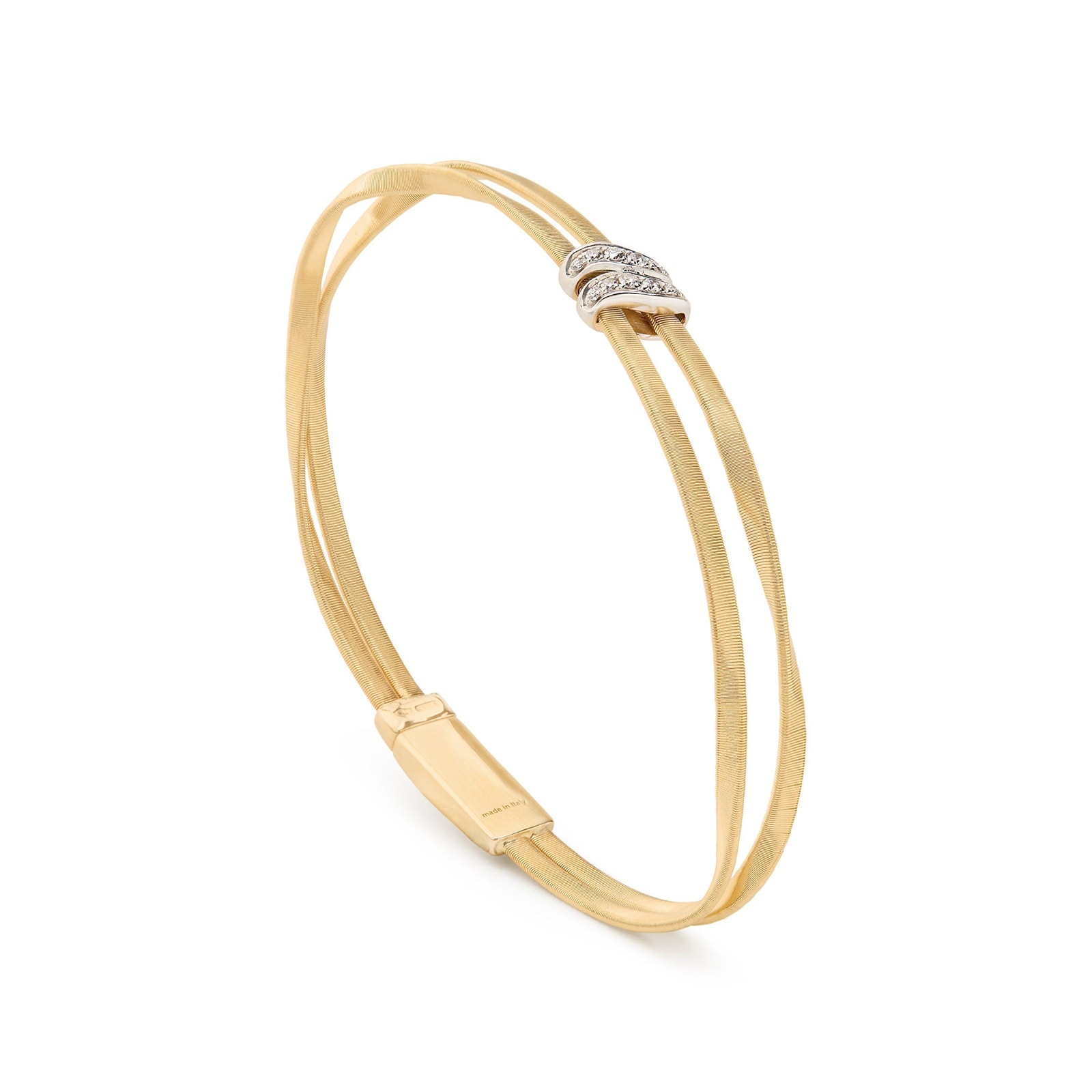

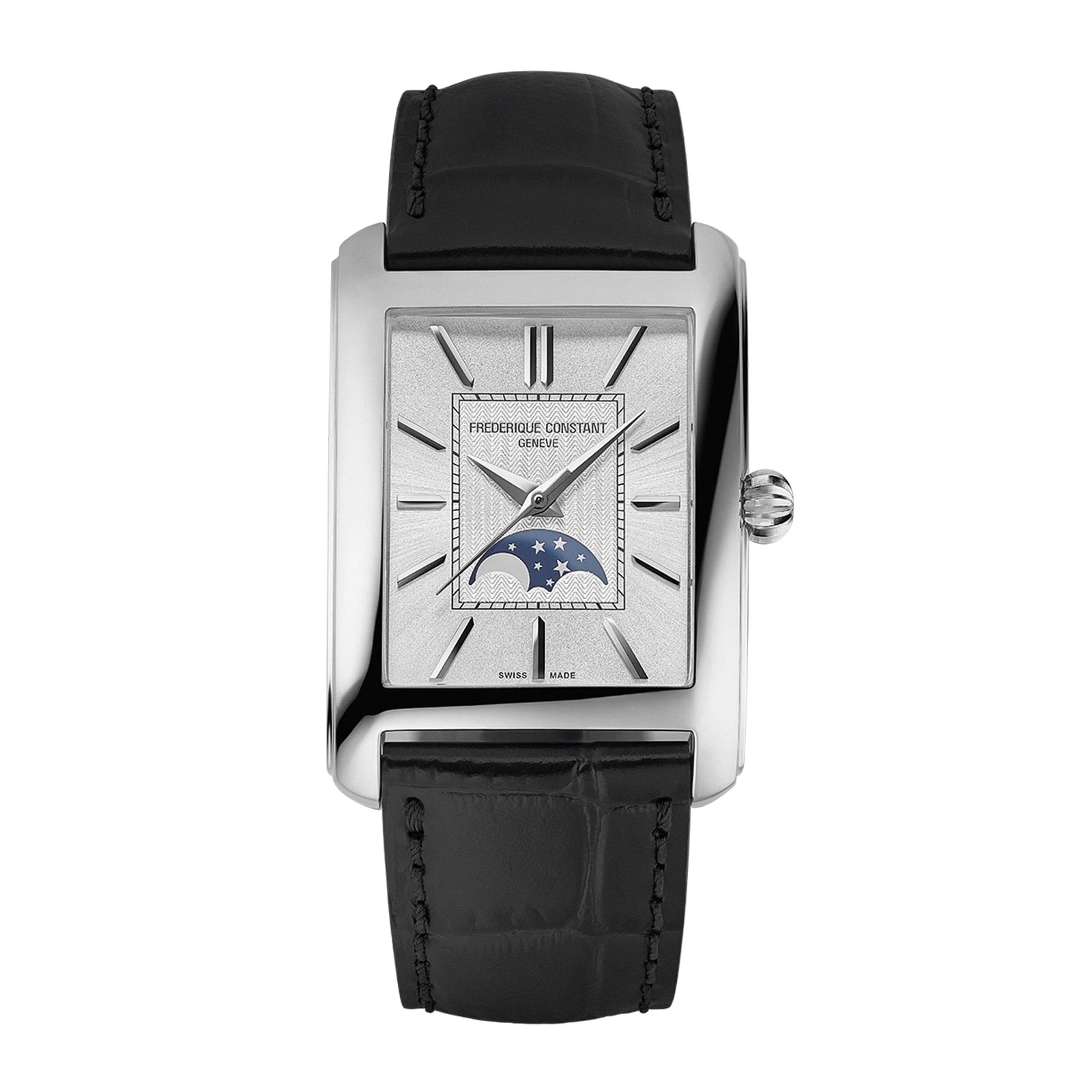
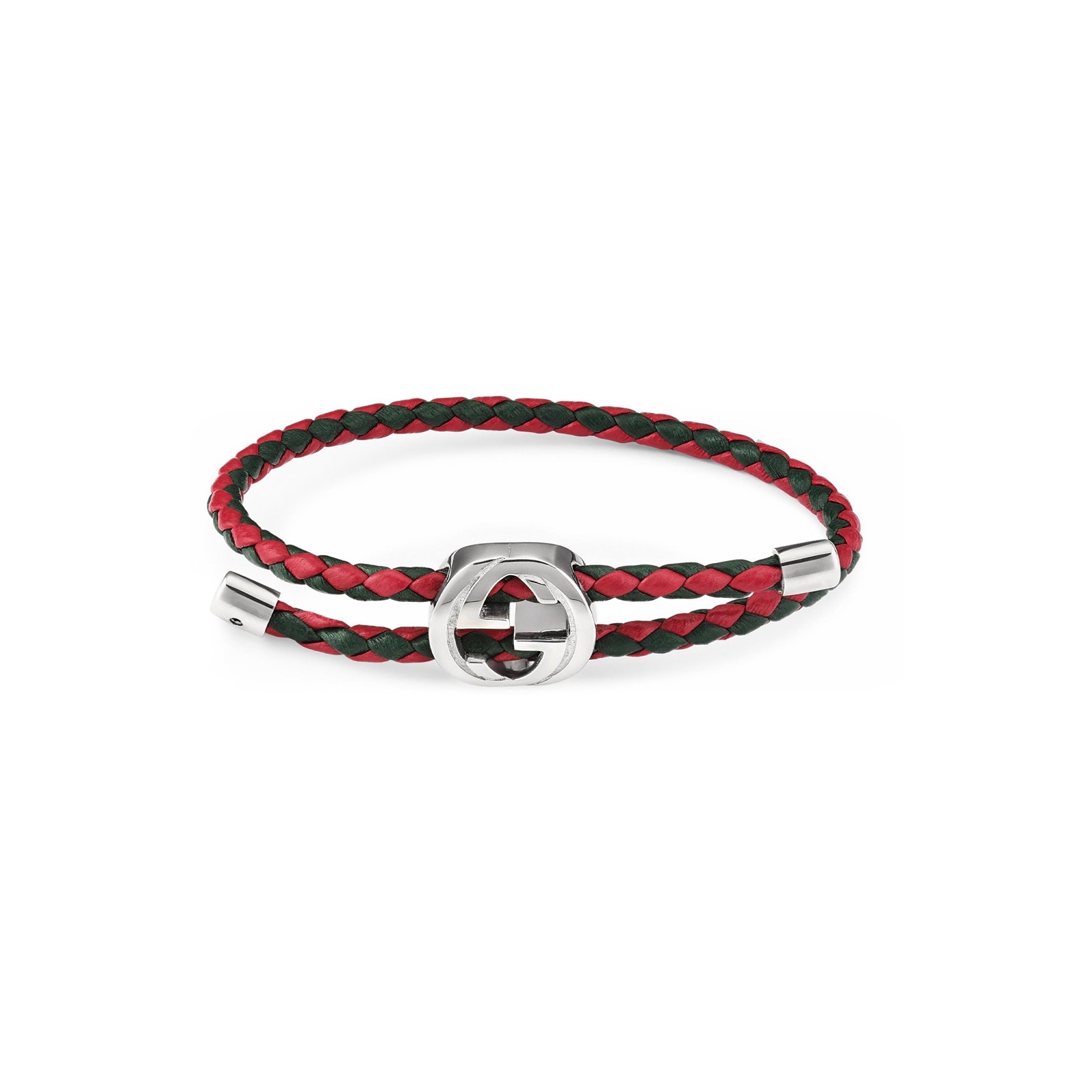
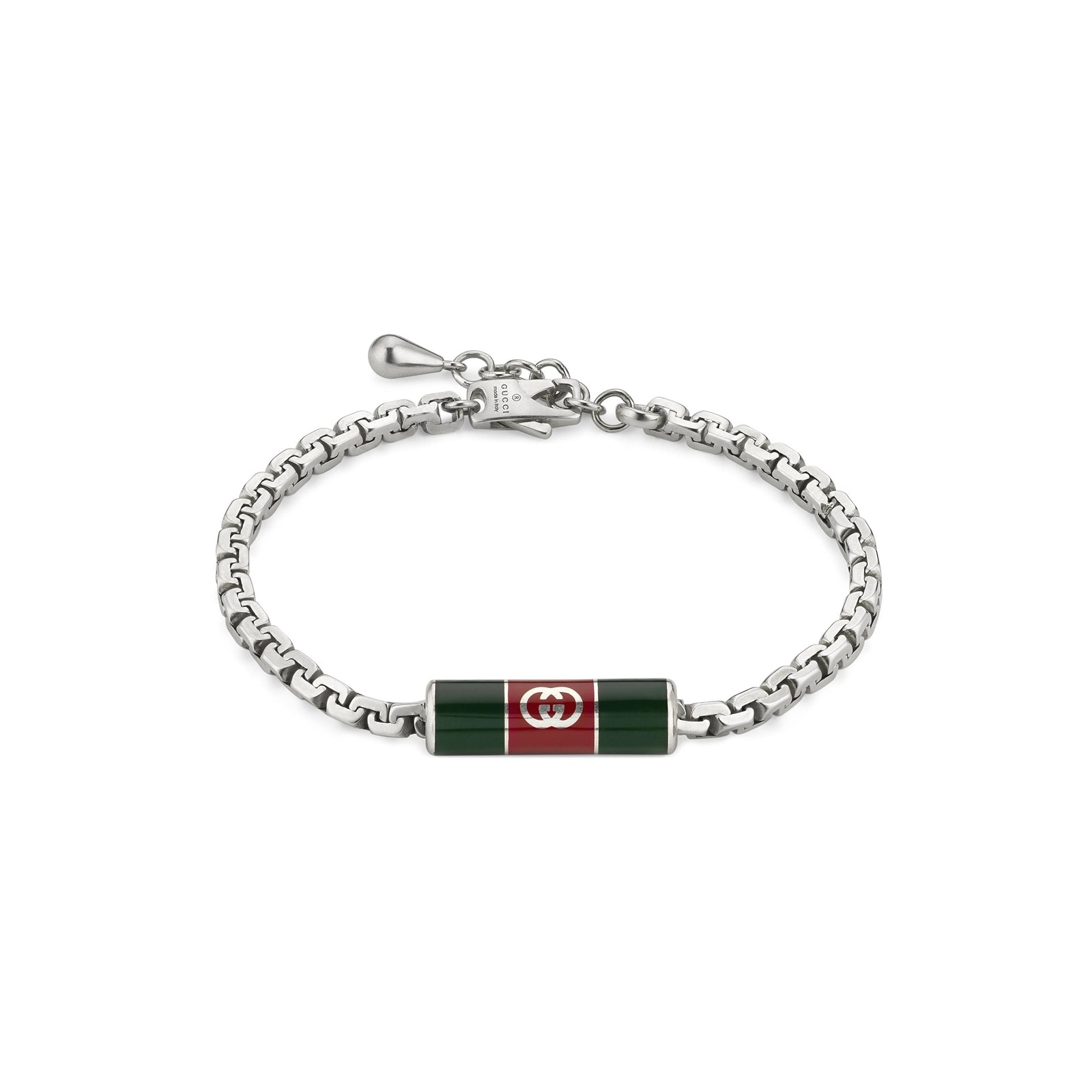
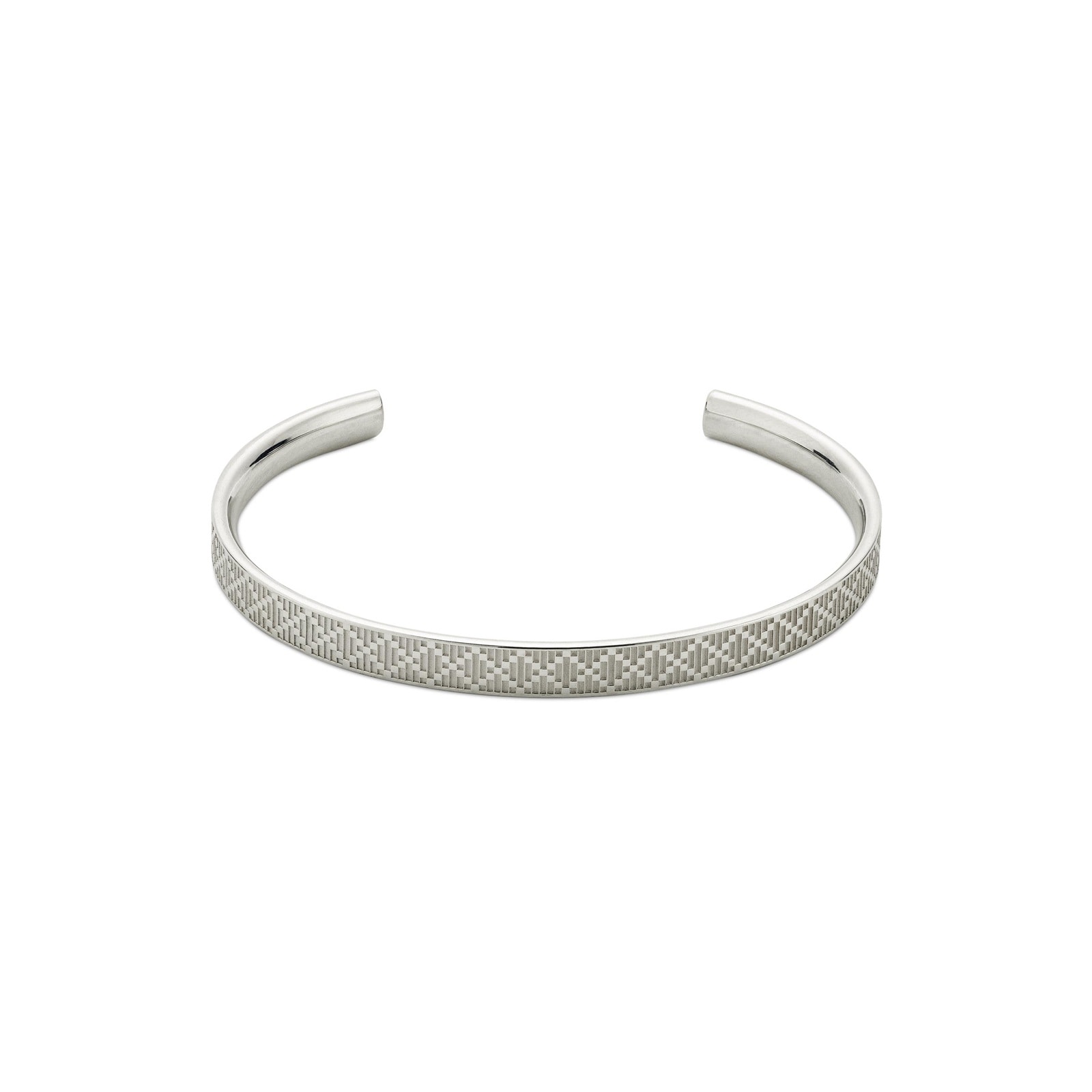
Across premier jewelry districts and wholesale exchanges, the resurgence of vintage diamond wedding bands has reshaped how collectors and couples approach bridal jewelry in 2026. Estate pieces—particularly those spanning the Edwardian, Art Deco, and Mid-Century eras—now command premiums that rival contemporary designer creations, driven by a confluence of diamond supply constraints, renewed appreciation for hand-fabricated craftsmanship, and a discerning buyer base that values provenance over mass production. Unlike modern CAD-rendered bands, each antique piece carries a verifiable historical fingerprint: a specific alloy composition, a distinctive setting architecture, and often a documented chain of ownership that collectively determine its market standing. This guide dissects the authenticity protocols, era-specific characteristics, and valuation methodologies that separate genuine estate treasures from clever reproductions, drawing on decades of gemological analysis and wholesale market observation. Whether you are evaluating a platinum Art Deco band with single-cut accents or a Victorian rose-gold piece with old European cuts, understanding the interplay of metal, cut, and provenance is essential before committing capital. For buyers seeking to benchmark against contemporary masterworks, examining the certified Bracelets showroom inventory provides a useful reference point for setting quality and finish standards. For exquisite artisan craftsmanship and certified stone settings, examine this handcrafted Certified Diamond Heart Chain Brace.
Market Landscape & Industry Realities for Vintage Diamond Wedding Bands
Wholesale diamond premiums for estate bands typically range from 15% to 40% above comparable modern pieces when provenance and era-specific cuts are documented, according to 2025–2026 exchange data from New York and Chicago trading floors. This premium is not arbitrary; it reflects the scarcity of original old European and old mine cuts, the labor-intensive hand-fabrication techniques that defined pre-1950 jewelry making, and the growing collector demand for pieces with verifiable historical narratives. The economic context is equally compelling: as natural diamond production faces mounting regulatory and environmental scrutiny, estate diamonds—already mined and circulated—offer a sustainability narrative that resonates with values-driven buyers. Furthermore, the secondary market for vintage diamond wedding bands has demonstrated remarkable liquidity resilience, with auction houses reporting consistent sell-through rates above 78% for documented pieces in excellent condition.
Always inspect the pavilion depth and table percentage under a 10x loupe before accepting any era attribution, as these proportions are the most reliable indicators of pre-war cutting technology. Old European cuts, prevalent from the 1880s through the 1930s, feature smaller tables, higher crowns, and larger culets than modern brilliant cuts—characteristics that directly influence light performance and, consequently, valuation. The market has also seen a notable shift in buyer demographics: millennials and Gen Z now account for over 45% of estate bridal purchases, per industry surveys, driven by a desire for uniqueness and the perception of intrinsic value retention. This demographic shift has pushed average transaction values upward, particularly for Art Deco platinum bands with calibrated diamond accents, which frequently trade between $3,500 and $12,000 depending on carat weight and condition grade.
Across premier jewelry districts and wholesale exchanges, storefront overhead directly affects retail pricing for vintage diamond wedding bands, with Fifth Avenue and Michigan Avenue addresses commanding markups of 60% to 90% over wholesale. Buyers must therefore distinguish between the intrinsic value of the piece—determined by metal content, diamond quality, and craftsmanship—and the retail premium attached to location and brand heritage. The most sophisticated purchasers build relationships with estate dealers who operate on thinner margins and provide detailed provenance documentation, including original receipts, appraisal histories, and family lineage where available. This documentation not only supports authenticity but also enhances resale value, as pieces with complete paper trails consistently outperform undocumented equivalents by 20% to 30% at auction.
The 4Cs, Sourcing & Pricing Benchmarks for Vintage Diamond Wedding Bands
Independent gemological laboratories like GIA and IGI classify cut grade as the single greatest determinant of diamond value, yet for vintage diamond wedding bands, the calculus shifts: era-specific cutting styles—old mine, old European, and single cuts—are evaluated on a different scale that prioritizes historical accuracy over modern brilliance metrics. A well-preserved old European cut with a slightly off-center culet may be more valuable than a modern ideal cut of similar carat weight because it represents an irreplaceable artifact of jewelry history. Color and clarity grading for estate diamonds must account for the fact that pre-1950 stones were often set to conceal inclusions, and many exhibit warmer color grades that were considered acceptable or even desirable in their era. Buyers should insist on independent certification that explicitly notes the cutting style and any treatments, as undisclosed clarity enhancement can reduce value by 50% or more.
Compared to machine-pressed gold settings, hand-fabricated platinum mounts provide superior structural integrity and are the hallmark of high-quality vintage diamond wedding bands, particularly those from the Art Deco period. The table below outlines representative 2026 market pricing across carat tiers and eras, based on wholesale exchange data and certified appraisal benchmarks.
| Era / Style | Typical Carat Range | Metal | Wholesale Price Range (USD) | Retail Price Range (USD) |
|---|---|---|---|---|
| Edwardian (1901–1915) | 0.50–1.50 ct total | Platinum / 18K White Gold | $2,800–$9,500 | $4,500–$16,000 |
| Art Deco (1920–1935) | 0.75–2.00 ct total | Platinum | $3,500–$14,000 | $6,000–$24,000 |
| Retro / Mid-Century (1940–1960) | 1.00–2.50 ct total | 14K/18K Yellow or Rose Gold | $2,200–$11,000 | $3,800–$19,000 |
| Victorian (1837–1901) | 0.30–1.00 ct total | 18K Yellow Gold / Silver-topped Gold | $1,800–$7,500 | $3,200–$13,000 |
Certification standards for vintage pieces require nuanced interpretation: GIA reports for estate diamonds often include comments on cutting style and may note "crown angle outside modern tolerances"—language that should not be misread as a defect but rather as an era indicator. When evaluating pricing benchmarks, buyers should also factor in the cost of any necessary restoration, such as re-tipping prongs or replacing worn shanks, which can add $300 to $1,200 to the total investment. To calibrate expectations against a broader range of certified estate pieces, explore our curated Bracelets collection for comparative quality and finish standards that inform valuation decisions.
A second data table clarifies the relationship between diamond cut grade tolerances and value retention for vintage diamond wedding bands, illustrating how era-specific proportions affect market desirability.
| Cut Style | Table % | Crown Height | Culet Size | Value Retention vs. Modern Ideal |
|---|---|---|---|---|
| Old European | 50–58% | Medium–High | Large–Very Large | 85–105% |
| Old Mine | 45–55% | High | Large | 90–110% |
| Single Cut | 55–60% | Medium | Medium | 70–90% |
| Modern Brilliant | 53–58% | Medium | None–Small | 100% (baseline) |
Premier Showroom Selection & Merchant Vetting for Vintage Diamond Wedding Bands
Direct wholesale versus retail markups for vintage diamond wedding bands can vary by as much as 300%, making merchant vetting the single most consequential decision in the acquisition process. Reputable estate dealers operate with transparent grading standards, provide independent laboratory reports, and maintain detailed provenance files that include prior appraisals and ownership histories. In contrast, less scrupulous sellers may present recut stones as original antiques, misrepresent metal content, or fail to disclose significant restorations. Buyers should prioritize showrooms that are members of recognized trade associations, maintain physical locations in established jewelry districts, and offer written guarantees of authenticity with a defined return window.
Negotiation protocols for estate pieces differ markedly from those for new jewelry: because each vintage diamond wedding band is unique, comparables are scarce, and pricing is often anchored to intrinsic value plus a provenance premium. Skilled buyers request a verified Bracelets valuation report before entering discussions, using the documented metal weight, diamond grading, and condition assessment as leverage. It is also advisable to inquire about the dealer's acquisition source—whether the piece came from an estate sale, auction, or private collection—as this information affects both authenticity confidence and resale potential.
Showroom vetting should include a physical inspection under magnification, verification of hallmarks and maker's marks, and a review of the piece's structural integrity. Ask to see the item under different lighting conditions, including natural daylight and incandescent,