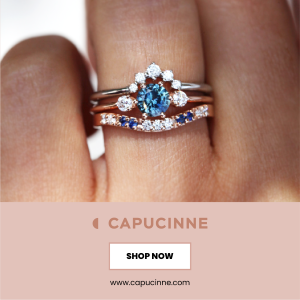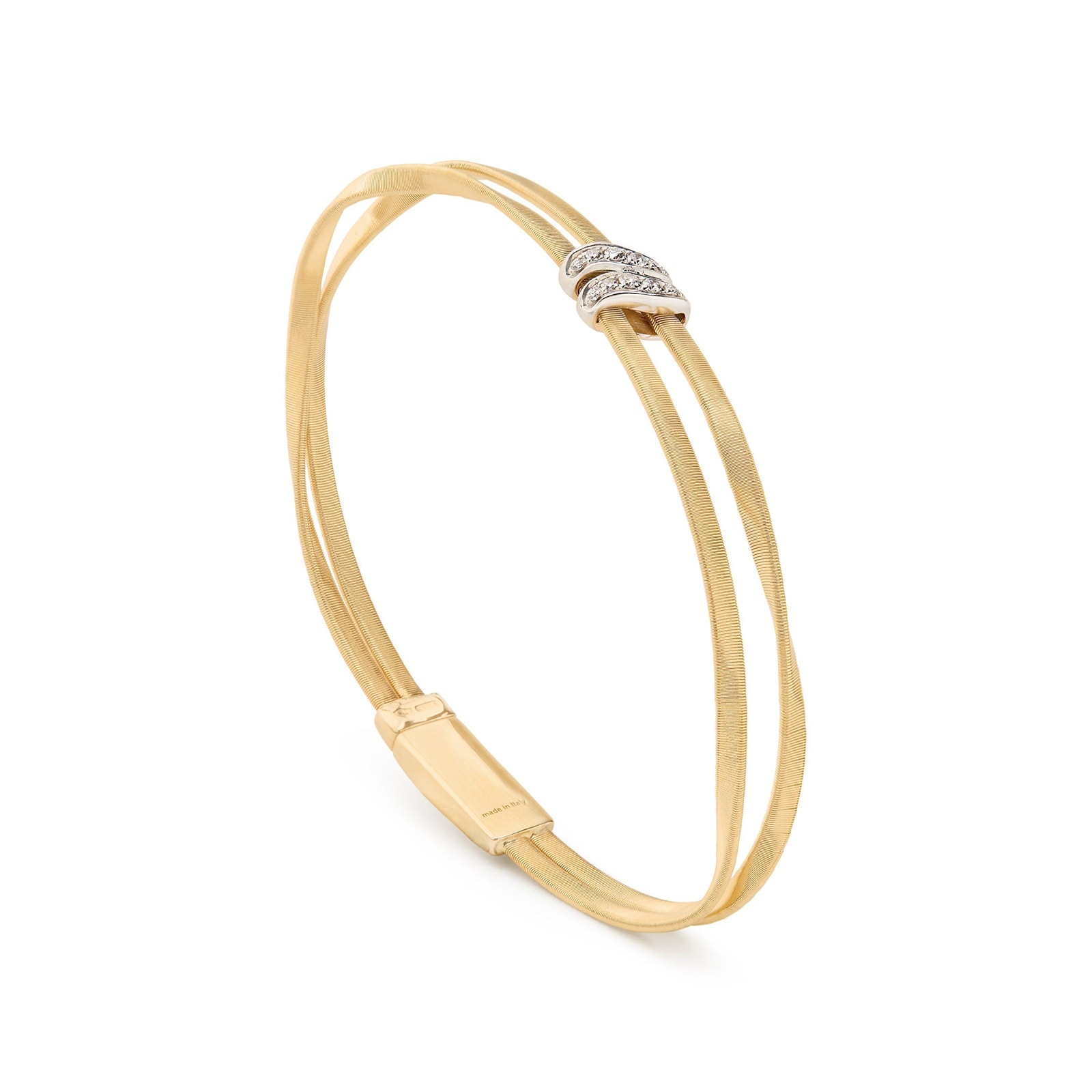

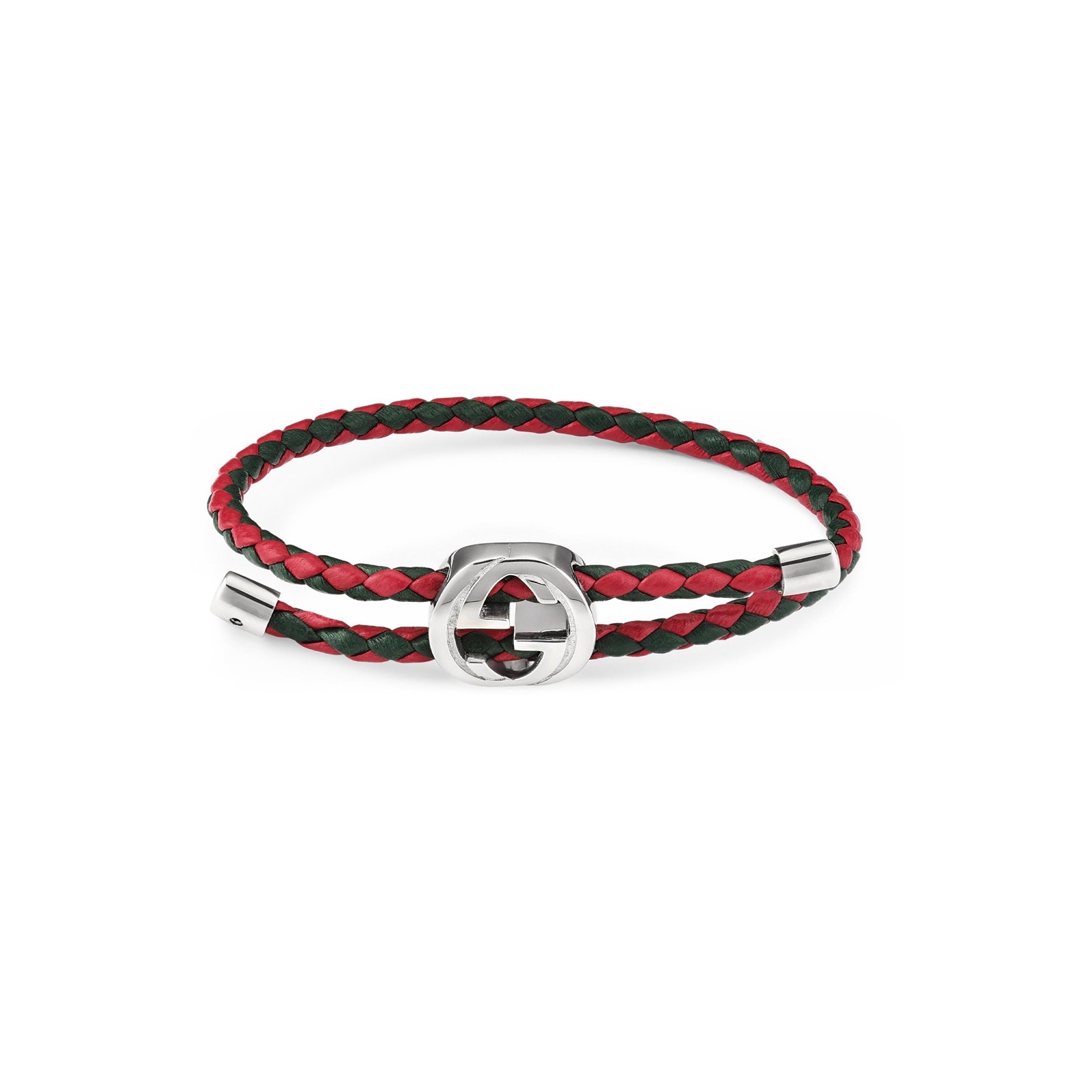
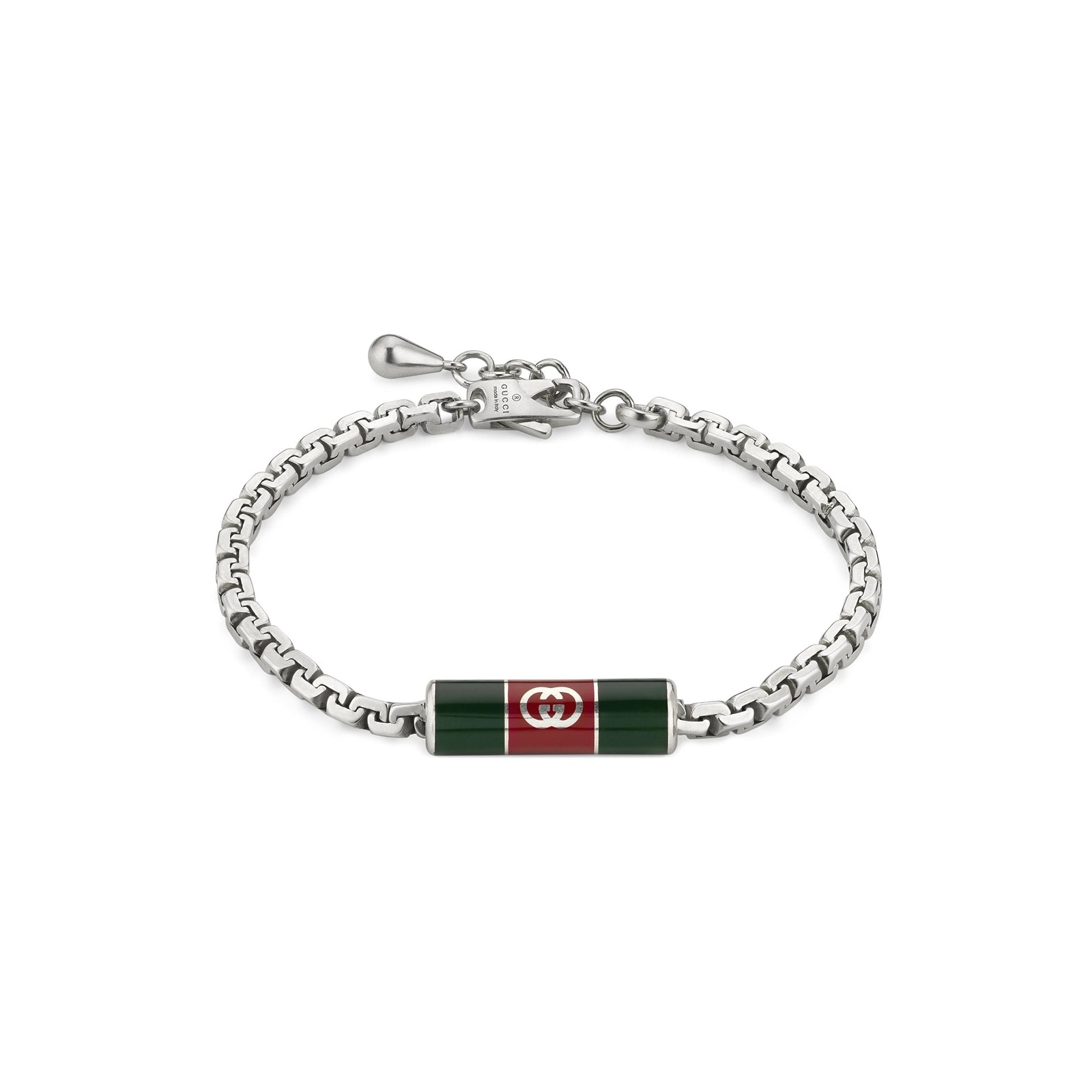
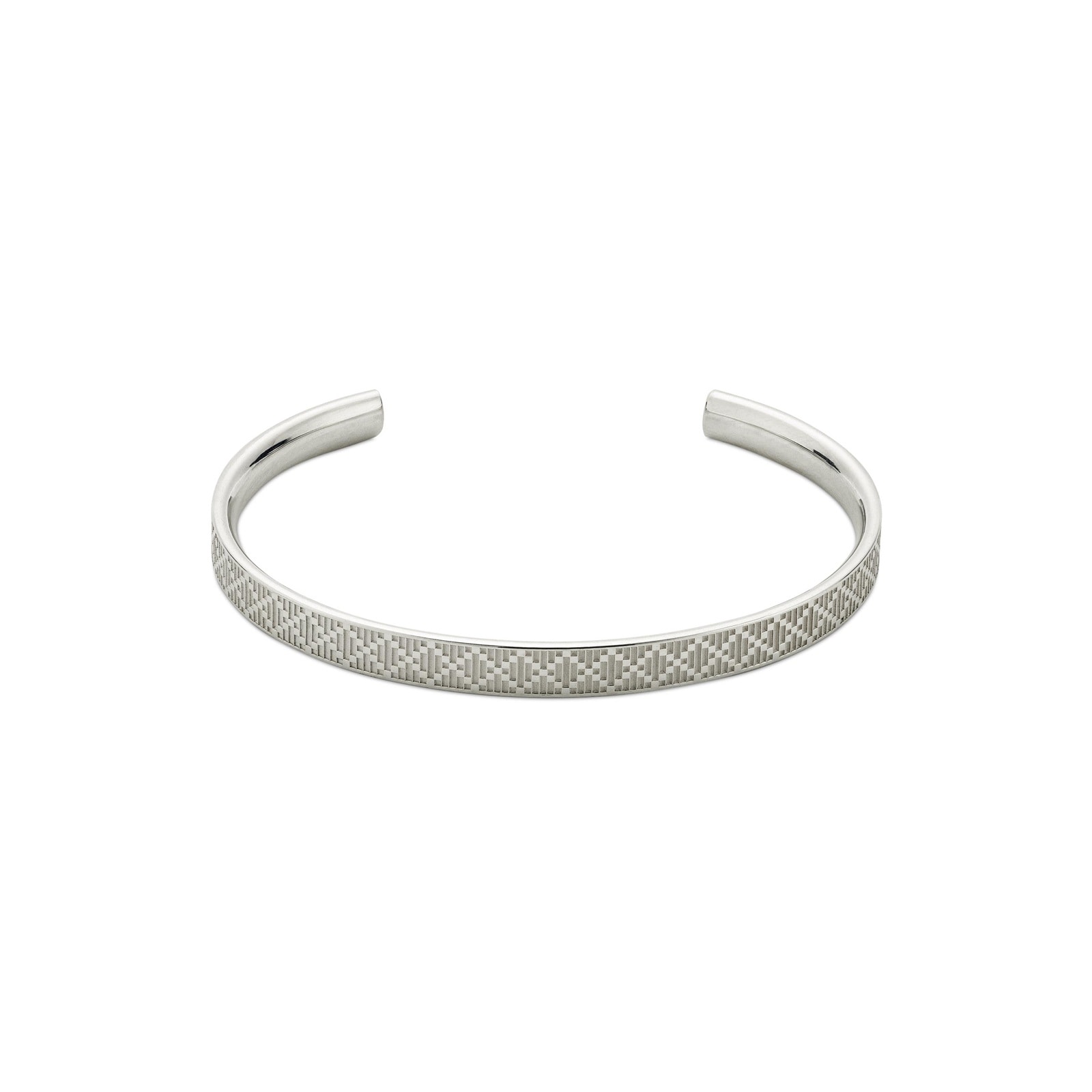
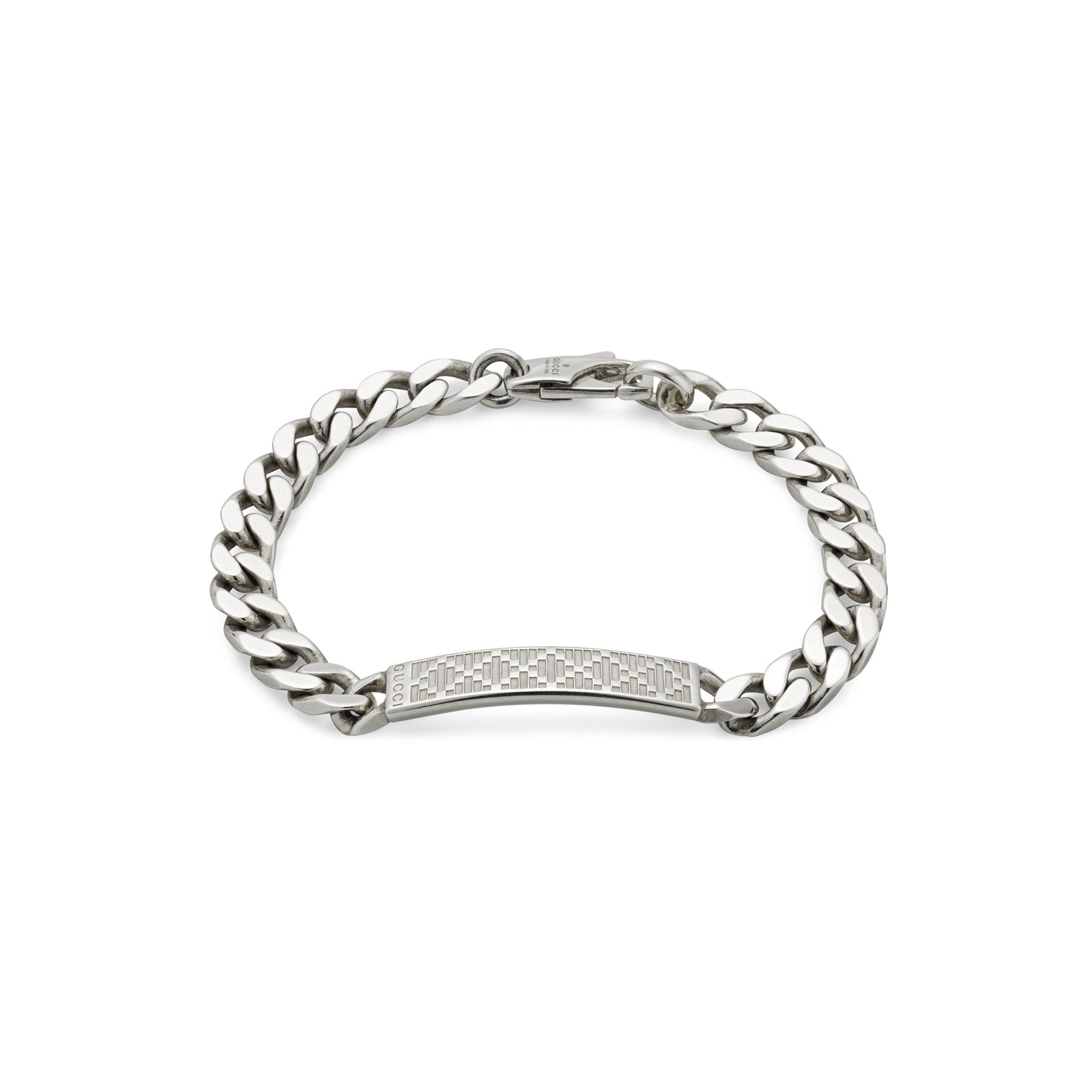
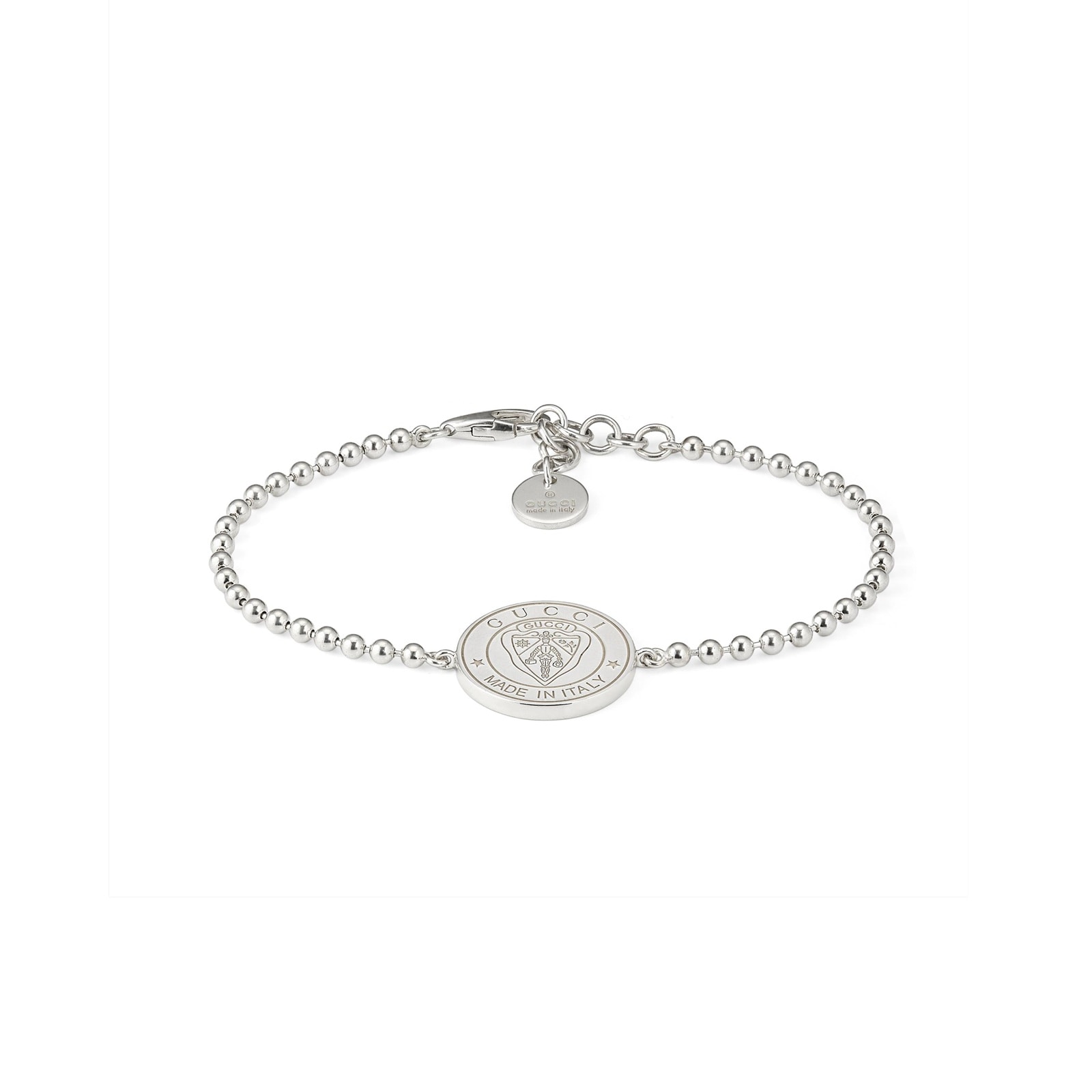
Across the United States, from the 47th Street corridor to regional luxury exchanges, the bracelets market has evolved into one of the most certification-sensitive segments in fine jewelry. A single diamond line bracelet can contain forty to sixty individual stones, each subject to grading tolerance, and the difference between a properly documented piece and an undocumented one can exceed thirty percent of resale value. This guide distills two decades of gemological bench experience and wholesale floor observation into a repeatable vetting protocol for 2026 buyers. For exquisite artisan craftsmanship and certified stone settings, examine this handcrafted Certified Diamond Heart Chain Brace.
Bracelets Market Landscape: Why Certification Now Defines Value
Wholesale diamond premiums on bracelets typically range from 18% to 34% above equivalent loose-stone pricing once setting labor, metal weight, and certification costs are factored, yet retail markups in unvetted channels can exceed 200%. That spread is precisely why certification has become the dividing line between an asset and a liability in the bracelets category.
Historically, bracelets occupied a curious position in the luxury hierarchy. Unlike engagement rings, which are almost universally purchased with a grading report, bracelets were often sold on brand prestige and visual impression alone. The 2015–2020 diamond certification expansion, driven by GIA and IGI volume growth, changed this dynamic. Today, a serious buyer expects a report for any bracelet above approximately $3,000 in diamond content, and insurers increasingly refuse to underwrite high-value bracelets without independent documentation.
Economic realities reinforce the shift. Gold spot prices have remained volatile through 2025 and into 2026, meaning the precious-metal component of a bracelet now represents a meaningful share of total value. A one-ounce 18K gold bracelet contains roughly 0.75 troy ounces of fine gold; at prevailing spot levels, that metal alone can exceed $1,800. When metal value is this significant, buyers must verify both the alloy purity and the diamond grading, which is why reputable showrooms maintain a certified Bracelets showroom inventory with traceable documentation for every piece above a defined value threshold.
Consumer protection law has also tightened. Several states now require written disclosure of treated stones and lab-grown origin at point of sale, and the FTC Jewelry Guides explicitly prohibit unqualified use of the word "certified" without naming the laboratory. A jeweler who cannot produce a named laboratory report on demand is, in practical terms, selling an uncertified product regardless of verbal assurances.
Bracelets 4Cs, Sourcing & Pricing Benchmarks: A Carat-by-Carat Matrix
Always inspect the pavilion depth and table percentage of every diamond in a line bracelet under a 10x loupe before accepting a grading claim, because cumulative brilliance in a bracelet depends on consistency across dozens of stones rather than the quality of any single diamond. This is the single most overlooked diagnostic in the category.
Bracelet diamonds are typically graded as a matched suite rather than individually. Laboratories may issue a single report describing the average color and clarity of the melee, or individual reports for stones above 0.20 carats. Understanding this distinction prevents buyers from overpaying for "certified" pieces where certification covers only a fraction of the total carat weight.
| Bracelet Tier | Typical Total Carat Weight | Color / Clarity Range | Estimated Retail Range (2026) | Certification Expectation |
|---|---|---|---|---|
| Entry Diamond Line | 1.00–2.00 ct | H–J / SI1–SI2 | $2,800–$6,500 | Suite report or store certificate |
| Mid-Market Tennis | 2.00–5.00 ct | G–I / VS2–SI1 | $6,500–$18,000 | GIA or IGI suite report |
| Premium Tennis | 5.00–10.00 ct | F–H / VS1–VS2 | $18,000–$45,000 | GIA report with inscription |
| High Jewelry | 10.00 ct + | D–F / VVS1–VS2 | $45,000–$250,000+ | Individual GIA reports per stone |
Cut grade remains the dominant value driver in matched suites. A bracelet assembled from Excellent-cut stones will exhibit uniform fire and scintillation, while a bracelet of Very Good cuts can show visible dull patches under directional lighting. Independent laboratories classify cut grade on a five-tier scale, and the price differential between Excellent and Good within the same color and clarity band is typically 12% to 20%.
Metal choice interacts directly with price and durability. Compared to machine-pressed gold settings, hand-fabricated platinum mounts provide superior prong retention and resist deformation under daily wear, which matters enormously in bracelets because the piece flexes thousands of times per year. Platinum commands a higher labor cost—often $800 to $2,500 per bracelet—but reduces long-term stone loss risk.
| Metal | Purity | Density / Durability | Typical Bracelet Premium | Best Use Case |
|---|---|---|---|---|
| 18K Yellow Gold | 75% Au | Moderate; scratches visibly | Baseline | Classic line bracelets |
| 18K White Gold | 75% Au + Rhodium | Moderate; requires replating | +3% to 6% | Diamond-forward designs |
| Platinum 950 | 95% Pt | High; hypoallergenic | +15% to 30% | Heirloom and high-carat pieces |
| 14K Gold | 58.3% Au | Good; softer alloy | ?8% to ?12% | Everyday entry bracelets |
Buyers seeking transparent pricing should explore our curated Bracelets collection, where each listing pairs a laboratory report with a documented metal specification and a stated carat total. This transparency is the practical antidote to the opacity that still characterizes much of the bracelets trade.
Bracelets Showroom Vetting: Wholesale Exchanges vs. Retail Salons
Across premier jewelry districts and wholesale exchanges, storefront overhead directly affects the final bracelets price, and buyers who understand this geography negotiate from a position of strength. A 47th Street wholesale counter may operate on 15% to 25% gross margin, while a Fifth Avenue salon with comparable inventory may run 45% to 60%.
Vetting a merchant begins with documentation discipline. Request the laboratory report number, the issuing laboratory, and the date of grading before any price discussion. Cross-reference the report against the physical piece using the laser inscription on the girdle—every GIA-graded diamond above 0.30 carats carries a unique inscription, and a mismatch is an immediate disqualifier.
Return policy is the second pillar of vetting. A certified jeweler should offer a minimum 14-day return window in writing, with no restocking fee on stock pieces. Custom and engraved bracelets may legitimately carry modified terms, but those terms must be disclosed before deposit. Third-party appraisals should be available on request, and a verified Bracelets valuation report from an independent appraiser protects both buyer and insurer.
Negotiation protocols differ by channel. In wholesale exchanges, cash or wire payment typically earns a 3% to 7% discount over card transactions because the merchant avoids processing fees. In retail salons, negotiation often centers on complementary services—sizing, cleaning plans, or extended warranty coverage—rather than headline price. Knowing which lever to pull is a mark of an experienced buyer.
- Refusal to name the grading laboratory is the single loudest red flag in the bracelets trade.
- "Certified" without a report number is a marketing claim, not a certification.
- Pressure to buy before an independent appraisal should end the conversation.
- Beware of bracelets priced far below market metal value—this often signals hollow links, under-karat alloy, or lab-grown stones sold as natural.
- Always confirm the clasp type: box clasps with figure-eight safety are standard on high-value tennis bracelets; a simple lobster claw on a $20,000 piece warrants scrutiny.